
A 3-day Osaka trip rushes Dotonbori and USJ; adding Kyoto stretches you thin. Five days is the sweet spot: enough for Osaka's street food scene, Kyoto's temples, and a day trip to Nara, all verified with 2026 prices, updated transport fares, and the March 2026 Kyoto lodging tax change.
Why 5 days: 3 nights Osaka + 1 night Kyoto
Osaka and Kyoto are 30 minutes apart by rapid train. But Kyoto's temple light-ups (Kiyomizu-dera, Gion) are best seen by sleeping in Kyoto itself.
- Day 1 (arrival): KIX → Namba → Dotonbori at night
- Day 2: Osaka Castle + Umeda Sky Building + Kuromon Market
- Day 3: Move to Kyoto + Fushimi Inari + Kiyomizu-dera + Gion at night (sleep in Kyoto)
- Day 4: Arashiyama + Kinkakuji + Nara deer park + return to Osaka
- Day 5 (departure): Shinsaibashi shopping + KIX
This setup catches both prime moments: empty-bamboo Arashiyama in the early morning and lantern-lit Gion at night.
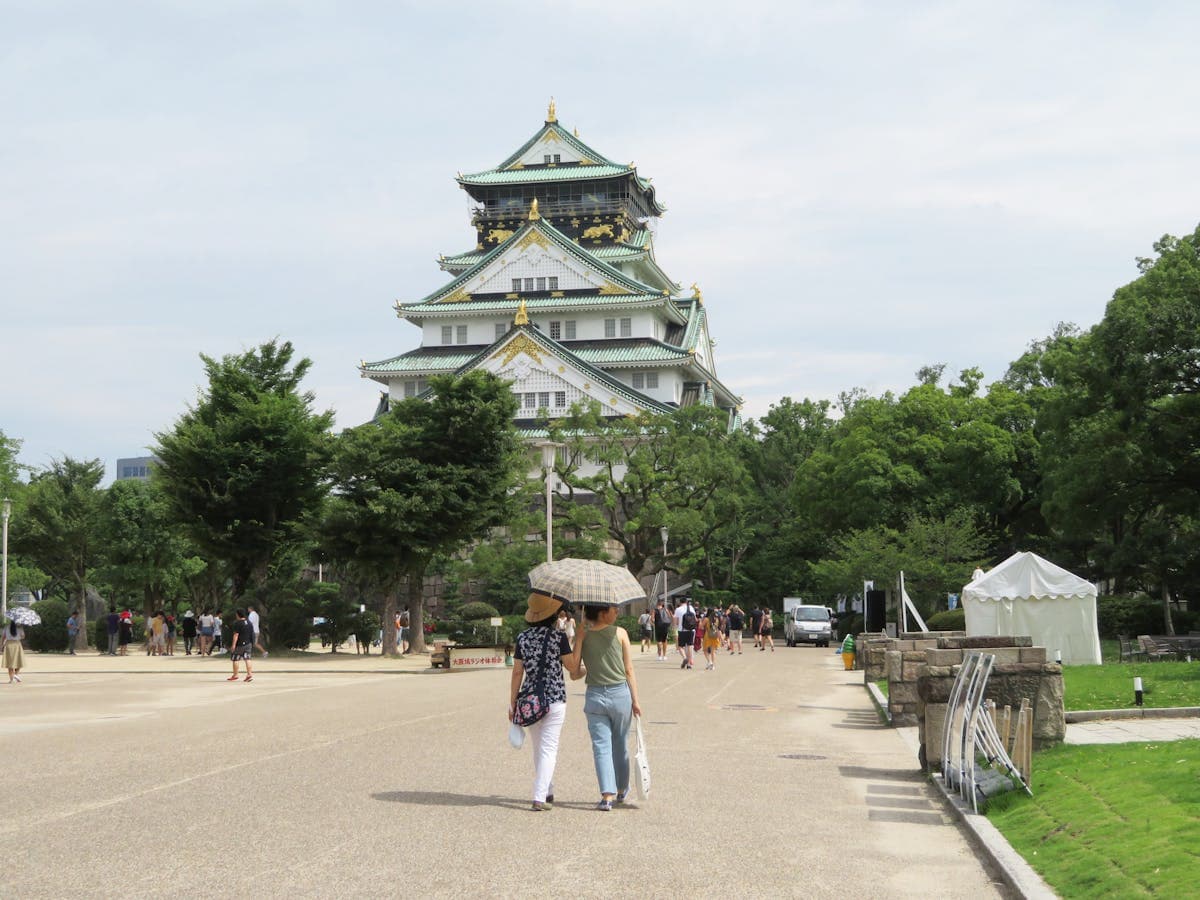
The moment you enter the park, 400 years of Japanese history unfold in front of you. The castle's green-tiled keep catches sunlight, its golden tiger ornaments gleaming above the massive stone moat walls. In spring, thousands of cherry blossoms layer the grounds; in summer, thick canopies shade the approach; just walking toward it is already the photo.
Pre-trip: visa, eSIM, money, transit
- Visa: Most passport holders enter Japan visa-free for 90 days. Register on Visit Japan Web (vjw.digital.go.jp) at least 48 hours before your flight; one QR code clears both immigration and customs.
- eSIM: A 5GB / 7-day plan runs $10–15 (Airalo, Holafly, Ubigi). Coverage across Osaka and Kyoto is excellent. Carrier roaming is typically 5x more expensive.
- Cash: Japan remains cash-heavy. Withdraw yen from any 7-Eleven ATM with a foreign card (110 yen fee). Budget 5,000–10,000 yen cash per person per day.
- Transit: Buy ICOCA (2,000 yen, 1,500 yen usable + 500 yen deposit) at Kansai Airport JR counter. Add a Kansai Railway Pass 2-day (5,600 yen) for unlimited Hankyu/Hanshin/Keihan/subway/bus during temple days. Note: as of April 2026 this pass (formerly Kansai Thru Pass) no longer covers Kyoto's subway lines.
KIX Airport → Osaka/Kyoto Transport (2026 verified)
Nankai Rapi:t: to Namba (Osaka)
| Item | Details |
|---|---|
| Destination | Namba Station (direct) |
| Travel time | 34 minutes |
| Fare | 1,520 yen (e-ticket) / 1,670 yen (paper) |
| Best for | Dotonbori / Shinsaibashi area hotels |
JR Haruka Limited Express: to Osaka/Kyoto
| Item | Details |
|---|---|
| Osaka Station | 45 min, 2,380 yen (unreserved) |
| Shin-Osaka | 50 min |
| Kyoto Station | 75 min, 3,690 yen (unreserved) |
| Note | ICOCA holders may qualify for discount, check JR West counter |
2026 tip: For Osaka-based hotels, Nankai Rapi:t (34 min, 1,520 yen e-ticket) is faster and cheaper. For direct Kyoto access, Haruka unreserved saves money over reserved seating.
The full plan at a glance
Drop one line into Tripop, like "Osaka Kyoto 5 days, skip USJ, focus on temples," and the AI builds a time-blocked itinerary in about 1-3 minutes.
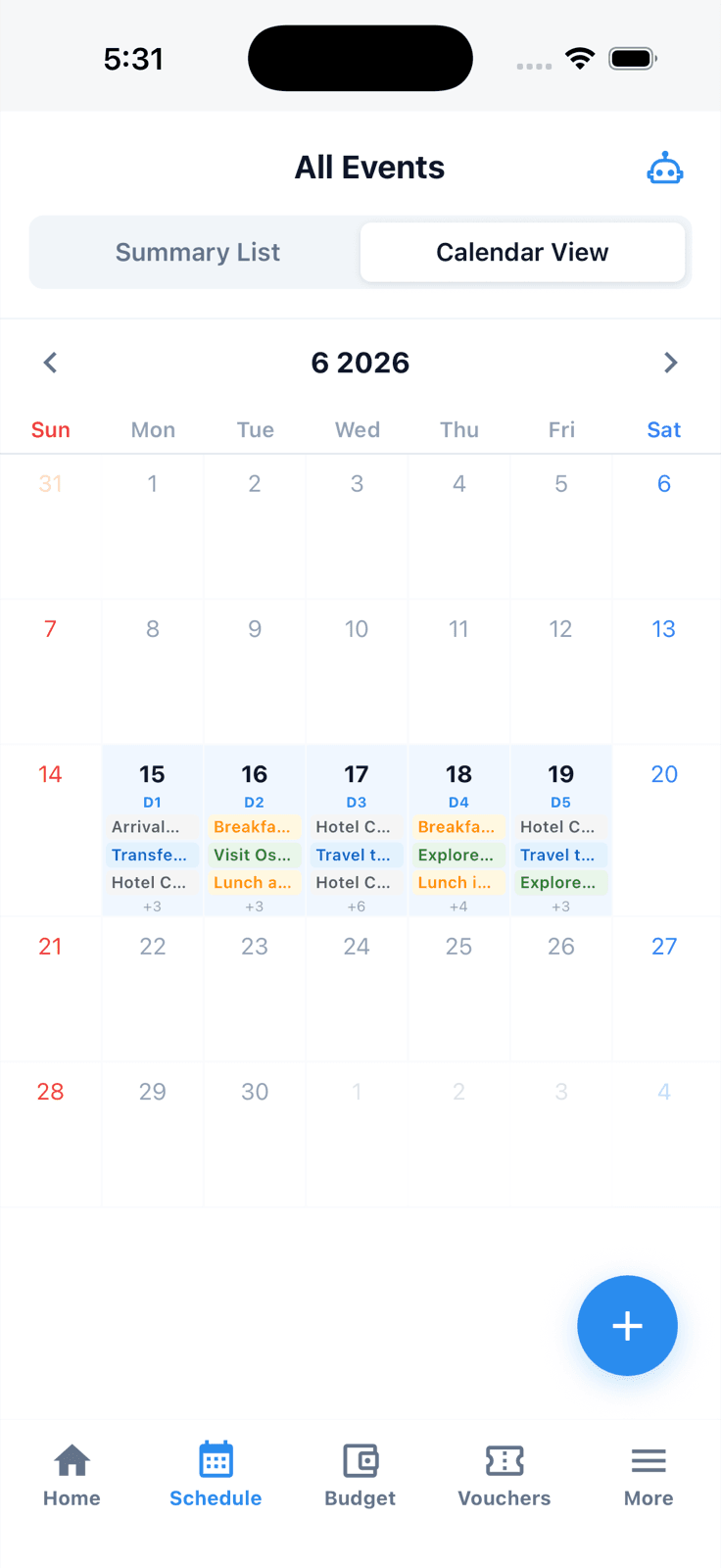
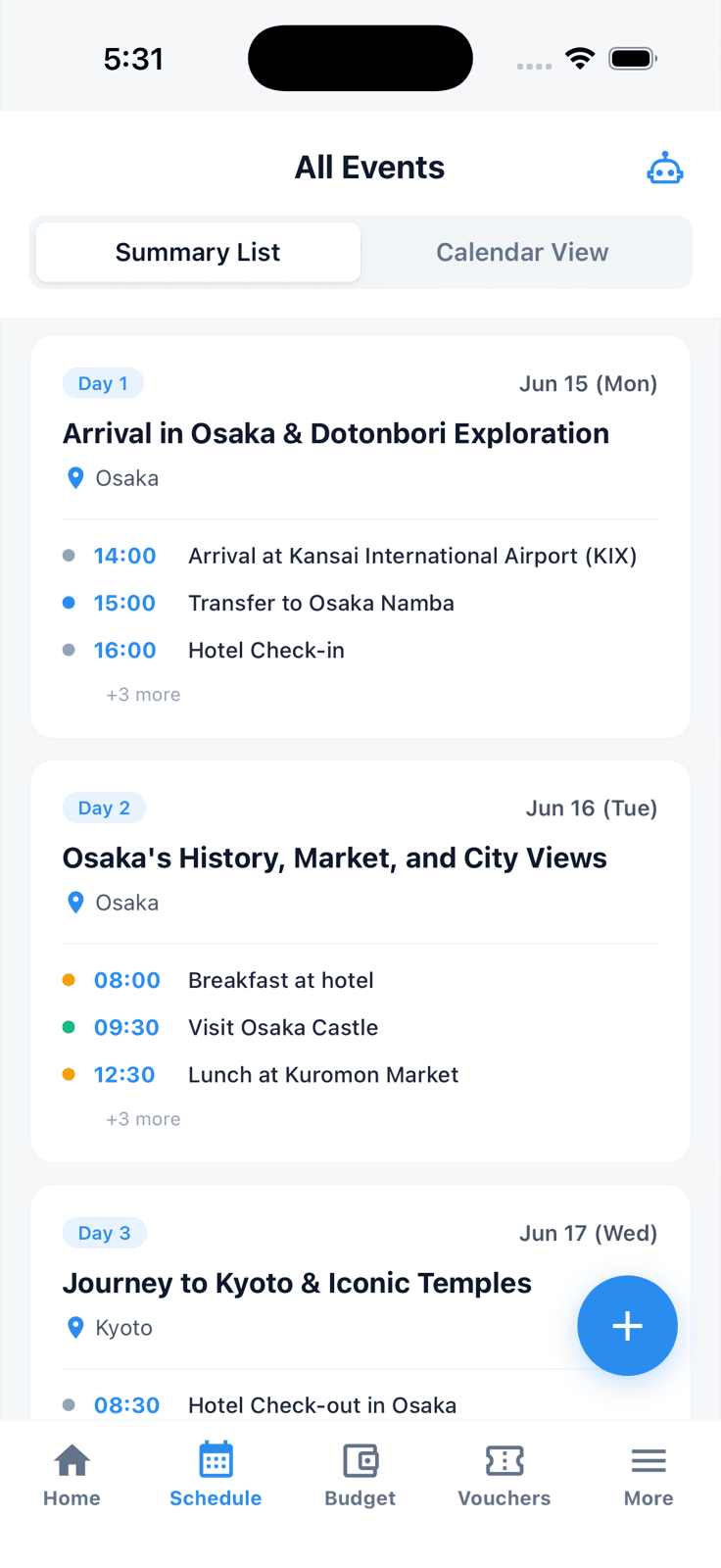
Day 1 (arrival): Dotonbori Glico Man + Ichiran Ramen
| Time | Activity / Notes |
|---|---|
| 11:00 | Arrive Kansai (KIX) |
| 12:00 | Immigration + buy ICOCA30 min |
| 12:30 | Nankai Rapi:t to Namba34 min, 1,520 yen e-ticket |
| 13:30 | Hotel check-in (Dotonbori area)Drop bags |
| 14:30 | Ichiran Ramen Dotonbori980 yen, solo booth |
| 16:00 | Dotonbori Glico Man photoCrowd-free at 16:00 |
| 17:00 | Horie + Amerikamura walkVintage shops + cafes |
| 19:00 | Kushikatsu Daruma dinner~3,500 yen, no double-dip rule |
| 21:00 | Dotonbori canal night view |
Day 1 tip: The Glico Man neon is best from 19:30–21:00. Ichiran's solo booths feel quirky but the queue moves fast (~20 min). At Kushikatsu Daruma, the one rule: never double-dip the communal sauce.
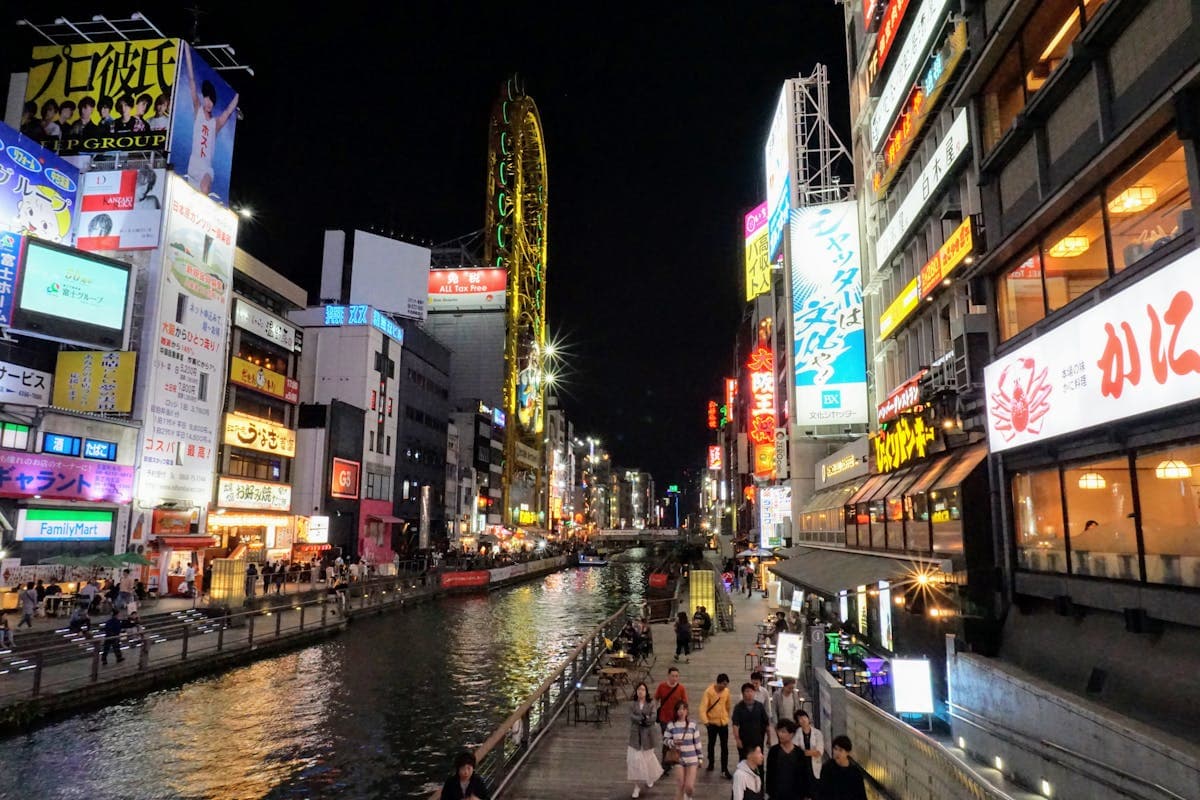
When the neon flicks on, Dotonbori becomes a different city altogether. The giant crab sign, the spinning Glico Man, the canal shimmering with reflected color: this single scene explains why Osaka is called the city of "eating until you drop." Stand on Ebisu Bridge for the head-on shot, or take the canal cruise (900 yen) for the water-level angle.
Individual solo booths plus a customization sheet for noodle firmness, broth richness, and spice level. The perfect entry to Japanese ramen. 980 yen, open 24 hours.
Day 2: Osaka Castle + Umeda Sky + Kuromon Market
| Time | Activity / Notes |
|---|---|
| 09:00 | Osaka Castle Park walkPark free |
| 10:00 | Tenshukaku keep observation floor1,200 yen (raised from 600 yen, April 2025) |
| 12:30 | Hankyu Umeda depachika lunchBento + udon |
| 14:30 | Umeda Sky Building Floating Garden1,500 yen, 173m |
| 17:00 | Kuromon Ichiba MarketSashimi, strawberries, mochi |
| 19:00 | Dotonbori dinnerTakoyaki at Wanaka, okonomiyaki at Mizuno |
Day 2 tip: Osaka Castle entry was raised to 1,200 yen in April 2025 (previously 600 yen). Castle hours: 9:00–17:00 (closed Monday, or Tuesday if Monday is a holiday). Cherry blossom season (late March–early April) means 90-minute queues for the keep; off-season is 30 minutes. Umeda Sky Building: enter 30 minutes before sunset to catch dusk + city lights in one visit.
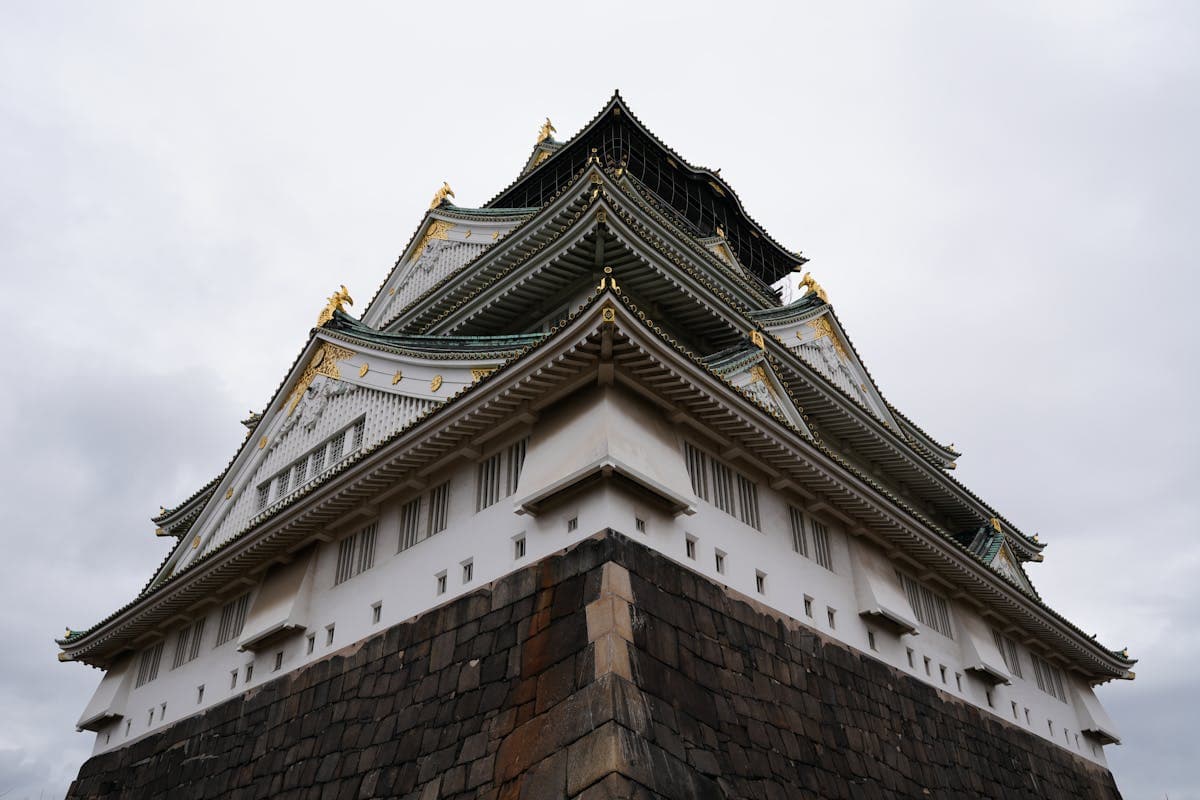
Look up at the keep walls and you'll spot golden tigers and cranes carved into every corner. White plaster walls, green-bronze tiles, golden ornaments at each rooftop corner: Toyotomi Hideyoshi's declaration of absolute power in stone, built in the 16th century and still imposing 400 years later. The 8th-floor observation deck adds a 360° panorama of the city as a bonus.
Open-air rooftop at 173m with 360° Osaka views. 1,500 yen. Enter 30 minutes before sunset: dusk light fading into city lights, two moments in one ticket.
Read more600m covered market with vendors grilling tuna sashimi, scallops, and skewers on the spot. Strawberries and Japanese melon in season. Many vendors offer samples, so graze as you walk. Open 9am–6pm.
Read moreDay 3: Move to Kyoto + Fushimi Inari + Kiyomizu-dera + Gion
| Time | Activity / Notes |
|---|---|
| 09:00 | Osaka Umeda → Kyoto rapid train30 min, 580 yen |
| 10:00 | Kyoto hotel or ryokan check-inDrop bags |
| 10:30 | JR Inari Station → Fushimi Inari Shrine2 min walk, free, 24 hours |
| 12:30 | Senbon Torii hike to Yotsutsuji overlook~90 min, free |
| 13:30 | Kitsune udon lunch near shrine |
| 15:00 | Kiyomizu-dera Temple500 yen |
| 17:00 | Sannenzaka + Yasaka ShrineFree |
| 19:00 | Gion geisha district lights + dinnerShijo Dori |
Day 3 tip: Fushimi Inari is free, open 24 hours. Only ~30% of visitors hike to the summit; the classic photo is in the Senbon Torii section near the entrance, best before 8am or after 5pm. Kiyomizu-dera: 500 yen adults, cash only at the gate. Gion at night: the 30 minutes after sunset are when lantern-lit teahouses glow and you may spot a maiko hurrying between them.
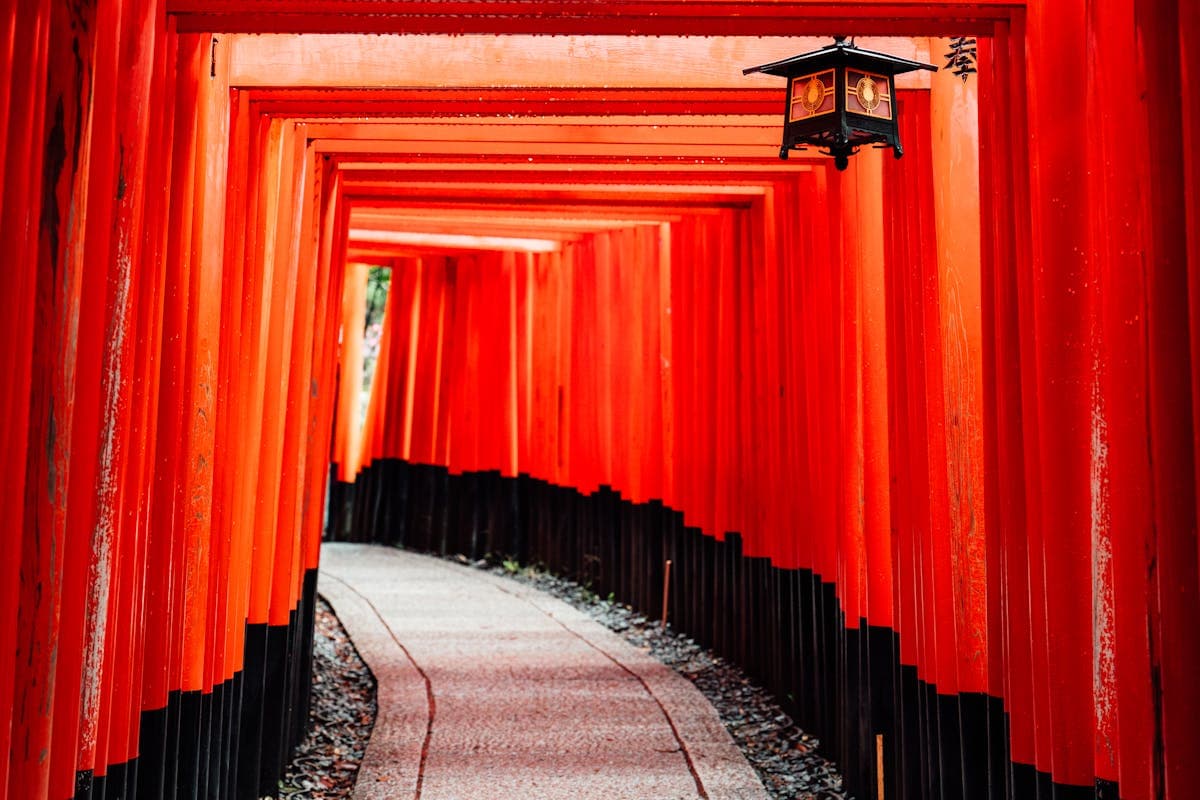
Step inside the tunnel and the world reduces to three colors: vermillion, black, and sand. The sounds of the city disappear. Your footsteps echo. The gates keep going, and going, and going, which is why Fushimi Inari has topped Kyoto visitor satisfaction surveys for years running. For empty-path photos, arrive before 8am or after 5pm.
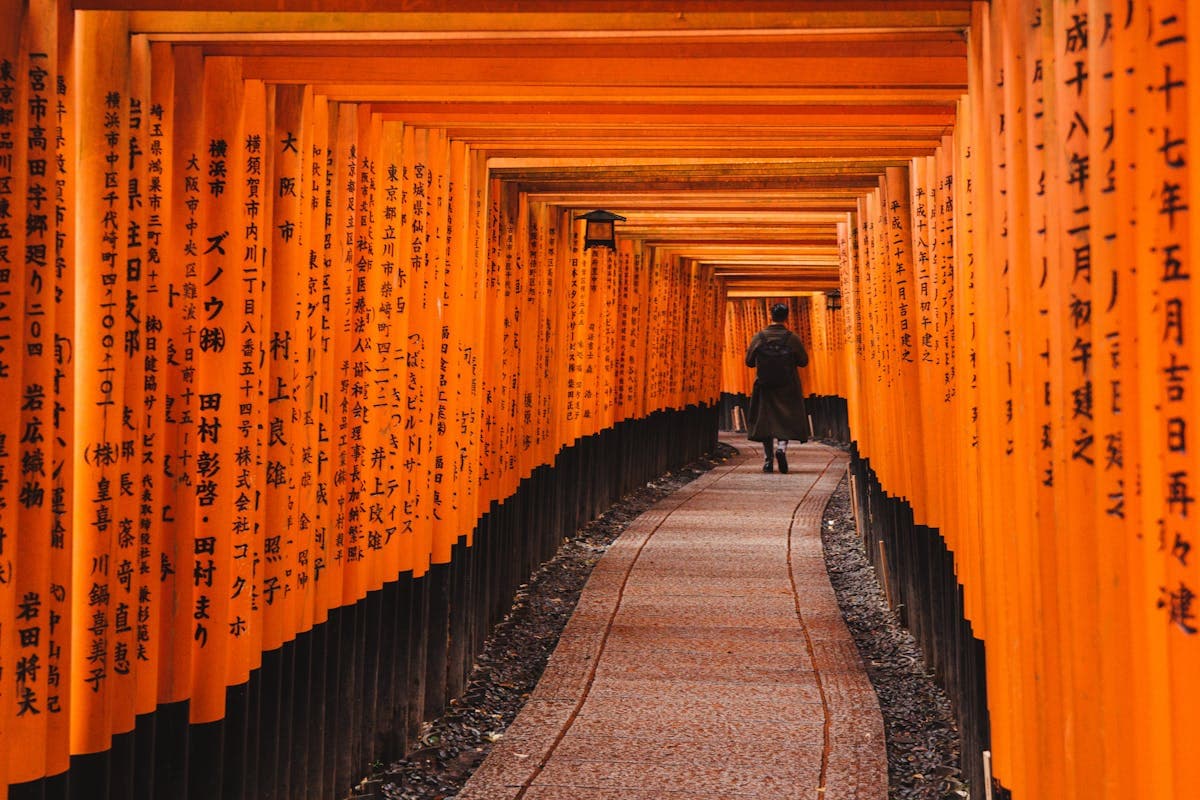
Two-minute walk from JR Inari Station, open 24 hours, free entry. Over 10,000 vermillion torii gates winding up Mount Inari. Best photos in the Senbon Torii section near the base, before 8am or after 5pm to avoid crowds.
Read moreShijo Dori + Hanamikoji Street. The 30 minutes after sunset are magical: lantern-lit teahouses and occasional maiko sightings. 30-min rickshaw experience (9,000 yen) or kimono rental (8,000 yen) for an authentic photo set.
Read moreDay 4: Arashiyama + Kinkakuji + Nara deer park
| Time | Activity / Notes |
|---|---|
| 08:00 | Arashiyama bamboo groveBefore 8am = empty paths |
| 09:30 | Tenryu-ji Temple500 yen, Japanese garden |
| 10:30 | Togetsukyo Bridge walk |
| 12:00 | Arashiyama lunch (yudofu / udon) |
| 14:00 | Kinkakuji Golden Pavilion500 yen |
| 15:30 | Kyoto → Nara (Kintetsu)60 min, 760 yen |
| 17:00 | Nara Deer Park (free) + Todaiji Great Buddha800 yen; deer crackers 200 yen |
| 19:30 | Return to Osaka Umeda for dinner |
Day 4 tip: Arashiyama bamboo grove is a 400m path, free and open 24 hours. Arriving before 8am is non-negotiable for an empty-path photo; tour buses arrive by 9am and the corridor becomes shoulder-to-shoulder after that. The grove also earned a spot on Japan's Top 100 Soundscapes list; the rustling of bamboo at dawn is worth the early start. In Nara, buy deer crackers (200 yen) and the deer will mob you, so secure your hat and bag.
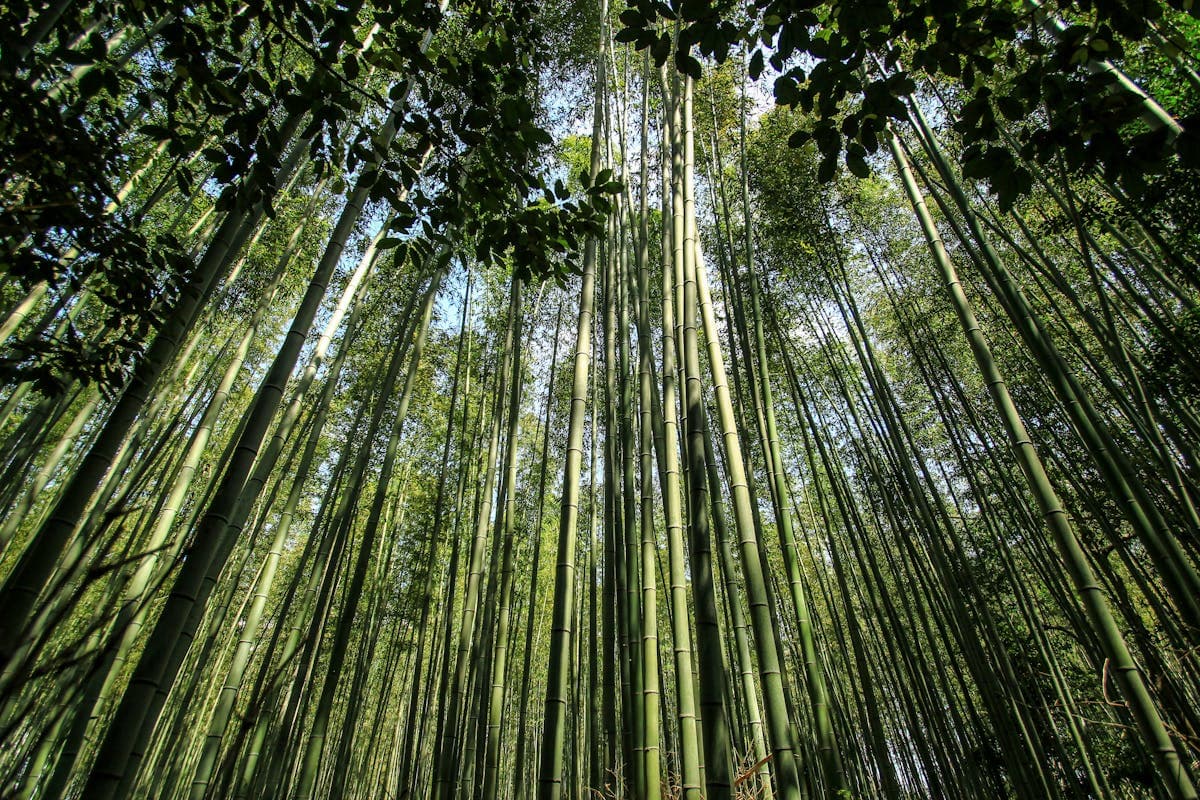
Inside the grove, the light filters green and the air cools by a few degrees. Bamboo stalks 15 meters tall sway together in the faintest breeze, the tops whispering against each other; that sound is Japan's Top 100 Soundscapes. Five minutes in silence here before the tour buses arrive is the single best five minutes you can spend in Kyoto.
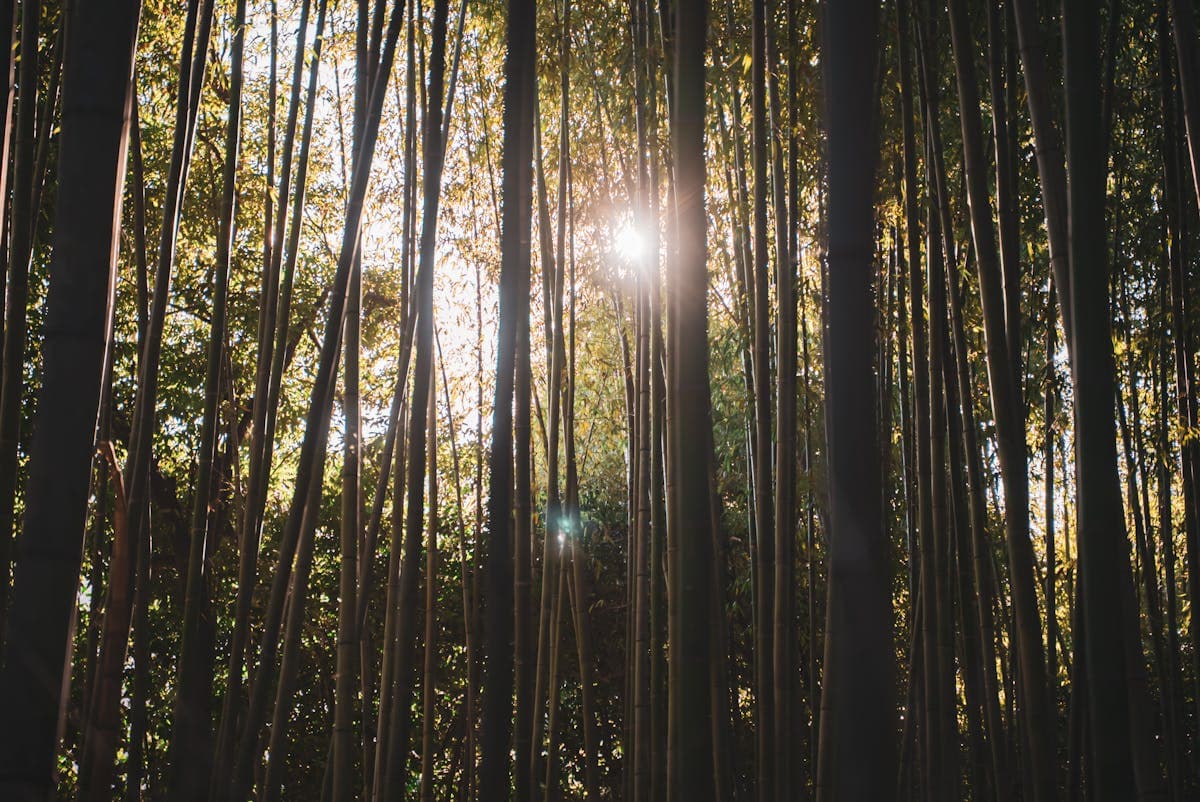
400m path through towering bamboo in west Kyoto. Free and open 24 hours. The critical timing: arrive before 8am to beat tour buses and hear the famous bamboo rustling. After noon, an empty-path photo is essentially impossible.
Read more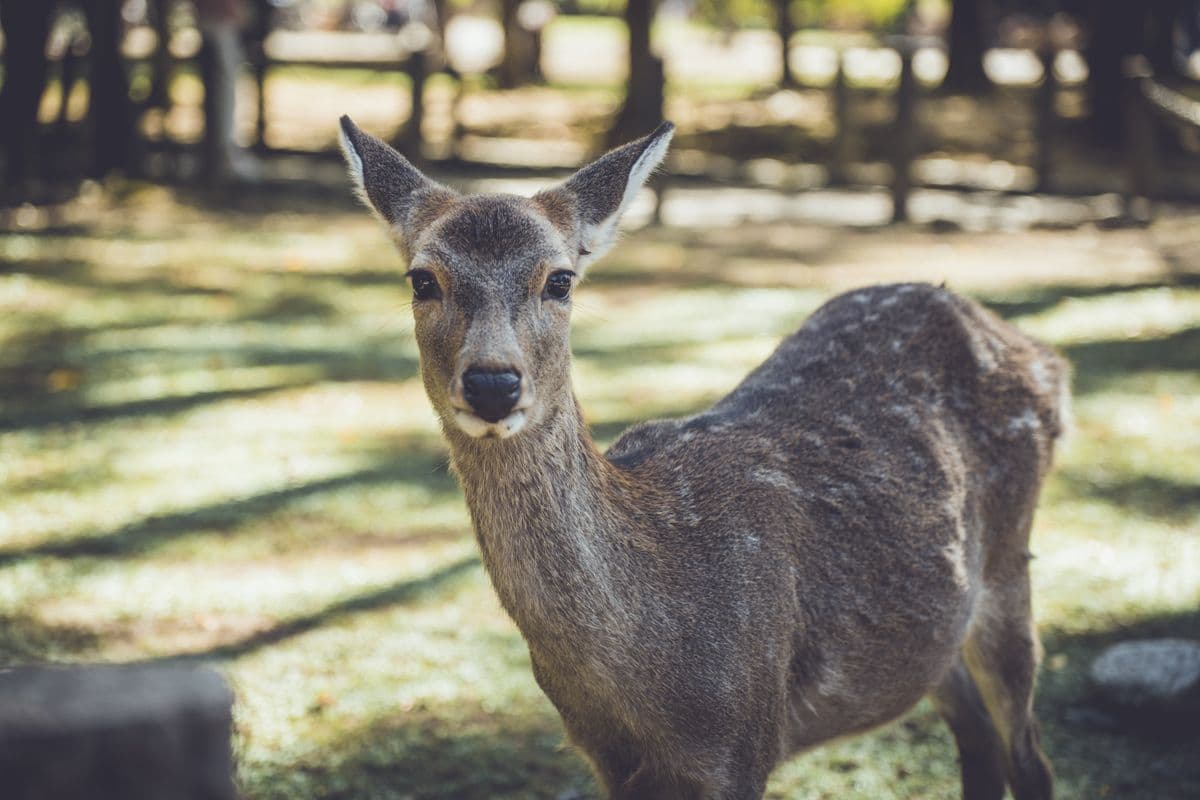
Eyes this clear and calm on a wild animal: it stops you every time. Over 1,200 sika deer roam Nara Park with no fences, walking alongside tourists as if it's the most natural thing in the world. Pull out deer crackers (200 yen) and dozens will trot over. Perfect for families, and utterly unlike any other wildlife encounter in Japan.
All three stories covered in gold leaf, reflecting in its mirror pond. Built 1397 (Muromachi era), UNESCO World Heritage. 500 yen. Best photo angle from the small bridge in the central garden. Rainy days cut crowds by 30%.
Read moreFive-minute walk from Kintetsu Nara Station. Park entry free, 1,200 sika deer roam freely. Buy deer crackers (200 yen) and they'll swarm you; best for families. Todaiji bronze Buddha (800 yen) is the world's largest, and standing inside the Great Hall is genuinely breathtaking.
Day 5 (departure): Shinsaibashi shopping + KIX
| Time | Activity / Notes |
|---|---|
| 09:00 | Shinsaibashi Suji + DaimaruDrugstore + souvenirs |
| 11:30 | Lunch (Kani Doraku or depachika) |
| 13:30 | Hotel luggage pickup |
| 14:30 | Nankai Rapi:t to KIX34 min, 1,520 yen |
| 15:30 | KIX duty-free + waiting |
| 17:00 | Evening flight home |
Day 5 tip: Daimaru's depachika has Tokyo Banana, Royce' chocolates, and Hokkaido cheese tarts all in one basement floor. Drugstores like Don Quijote and Matsumoto Kiyoshi offer instant tax-free for purchases over 5,000 yen.
Kyoto lodging tax: March 2026 increase
From March 1, 2026, Kyoto's lodging tax was significantly raised. Per person, per night:
| Nightly rate | Lodging tax (per person) |
|---|---|
| Under 6,000 yen | 200 yen |
| 6,000–20,000 yen | 400 yen |
| 20,000–50,000 yen | 1,000 yen |
| 50,000–100,000 yen | 4,000 yen |
| 100,000 yen and over | 10,000 yen |
For a standard business hotel at 10,000–15,000 yen/night, you're looking at 400 yen per person extra. Budget accordingly.
Budget tracking: automatic currency conversion
Every restaurant receipt and convenience store purchase in Tripop gets photo-added and auto-converted from yen to your home currency. Day-by-day and category totals update in real time, and you can share the running total with travel companions.
Group travel
Osaka and Kyoto rank among Japan's top family and honeymoon destinations. In Tripop, invite everyone to one trip so the whole group sees the same schedule. Theme park tickets like USJ are unique per person; pre-organize vouchers by traveler to avoid gate confusion.
AI assistant: temple curation
Ask Tripop's AI: "We have one day in Kyoto, Fushimi Inari or Arashiyama first?" It'll rank options by travel time and crowds, and suggest indoor alternatives (Todaiji in Nara) when it rains.
Checklist: Japan travel essentials
- Passport (6+ months validity)
- Visit Japan Web QR (pre-register 48h before flight)
- eSIM or pocket wifi
- ICOCA + Kansai Railway Pass 2-day (formerly Kansai Thru Pass)
- Foreign credit card for 7-Eleven ATM withdrawals
- USJ tickets (if applicable)
- Power bank (lots of temple photography)
Osaka + Kyoto must-do list
Five things you'd regret skipping, regardless of trip length.
Opened 1955, one of Dotonbori's original takoyaki stands. Eight balls for 600 yen, hot in five minutes. The Shinsaibashi location has shorter lines. For okonomiyaki, Mizuno is the locally-rated pick; both are Dotonbori essentials.
A thousand years of temple culture made Kyoto home to shojin (Buddhist vegetarian) cuisine. Specialty yudofu restaurants near Kiyomizu-dera and Arashiyama serve five-course tofu kaiseki for ~3,500 yen at lunch. A ryokan stay often includes kaiseki dinner automatically.
All three floors covered in gold leaf, reflecting in its pond. Built 1397, UNESCO World Heritage. 500 yen. Best photo from the central garden bridge. Rainy days cut crowds by 30%.
Read moreTraveling with kids or a gamer/Potter fan? Carve out one full day. Mario Kart at Super Nintendo World and Hogwarts + butterbeer at Wizarding World are the two highlights. Entry 8,600 yen; Express Pass (skip queues) 7,800–25,000 yen.
The single image that defines Osaka. Prime time is 19:30–22:00 after sunset: Glico Man, the giant crab signs, and canal neon all lit at once. Photograph from Ebisu Bridge, or take the canal cruise (900 yen) for the water-level angle.
Read moreWrap-up
- For 5 days in Kansai, the sweet spot is 3 nights Osaka + 1 night Kyoto
- KIX to Namba: Nankai Rapi:t 34 min (1,520 yen e-ticket) is the fastest option
- Kansai Railway Pass 2-day (5,600 yen) + ICOCA beats JR Pass for this route
- Osaka Castle entry is now 1,200 yen (raised April 2025); Fushimi Inari is free; Kiyomizu-dera is 500 yen
- Arashiyama bamboo grove: before 8am is essential
- Kyoto lodging tax raised March 2026, so factor it into your accommodation budget
- Tripop handles AI itinerary, voucher organization, expense tracking, and group sharing
Plan this Osaka + Kyoto trip with Tripop in 1-3 minutes
No need to transfer this schedule by hand. Drop one line into Tripop, like "Osaka Kyoto 5 days, temples focus," and the AI builds a time-blocked plan. Upload flight PDFs and hotel confirmations by photo, and vouchers attach themselves to the right days. Yen expense tracking, trip checklist, and group sharing all in one app.
Photos: Pexels (Hiroko Nakagawa & Dmitry Romanoff: Osaka Castle, Tamjeed A: Dotonbori canal, G N & DSD: Fushimi Inari, Jess Ho & Satoshi Hirayama: Arashiyama, Daniel Trotta: Nara deer), Pexels License.