
Hong Kong's day begins at the cha chaan teng. Born in the 1950s, this working-class diner is a strange and lovable place where western-style toast, Hong Kong milk tea, and Cantonese congee share one menu. It is not a tourist restaurant but breakfast inside a local's ordinary day, which is exactly why it has become a must-do among travelers. Here is the full rundown, from how to order to how to behave.
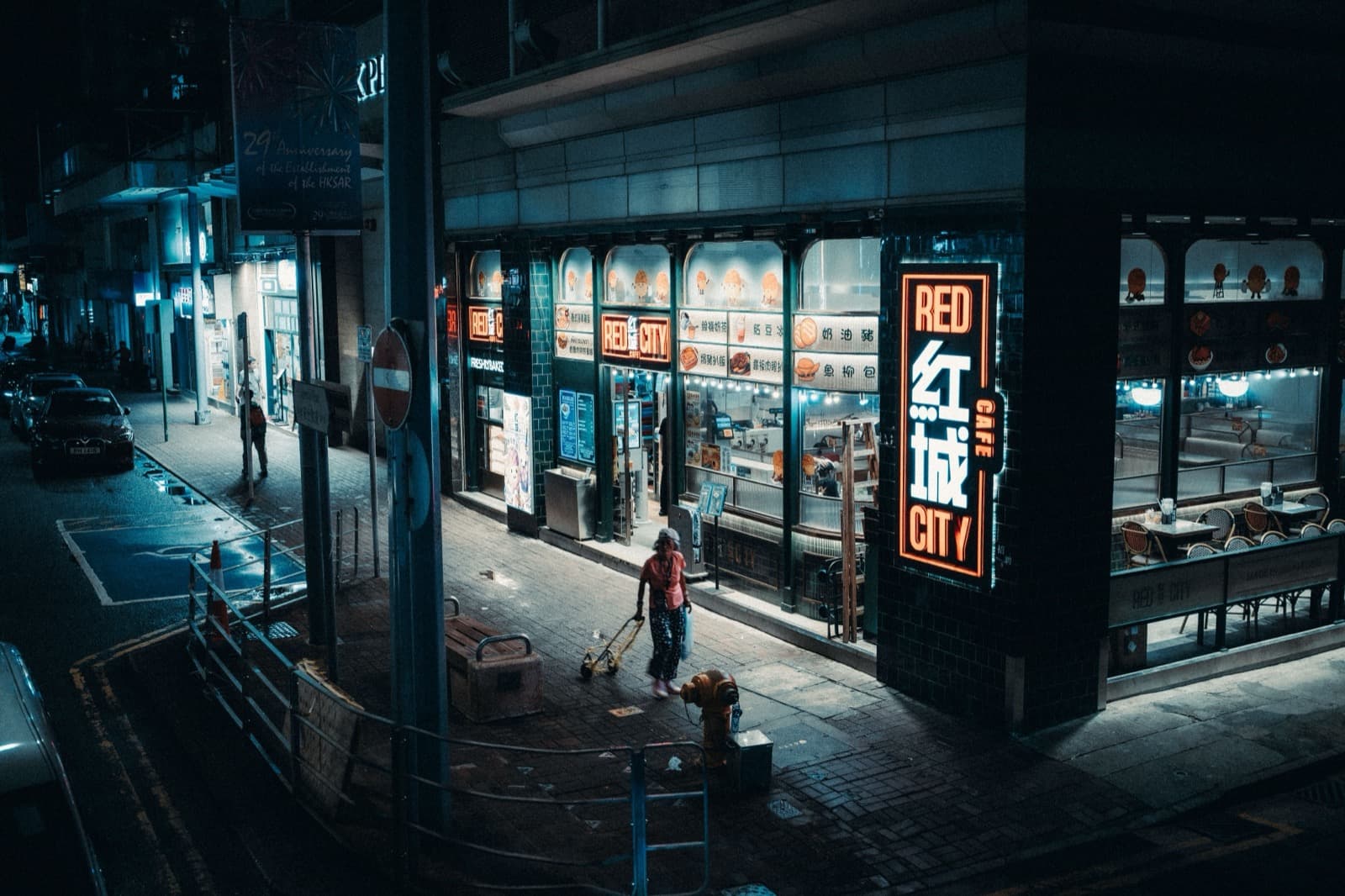
Cha Chaan Teng, an Identity Hong Kong Invented by Accident
A cha chaan teng (茶餐廳) was never a planned invention. In the 1950s, Hong Kong's cafes set about serving western-style menus at working-class prices, and somewhere in that process, toast and milk tea ended up seated next to Cantonese congee and luncheon-meat instant noodles. East and West meeting on a single laminated menu: that combination quietly became the identity of the city itself.
Which is why one meal at a cha chaan teng is not simply food but Hong Kong in compressed form. You can order a bowl of congee and a slab of buttered toast in the same breath, wash both down with tea brewed the local way, and nobody finds it strange. Media like Time Out refresh a best cha chaan teng list every year, and travel guides now attach separate etiquette sections, proof of how completely this everyday diner has turned into travel content.
The Must-Order List: Four Classics Plus the Breakfast Set
- Hong Kong milk tea: black tea so strong and smooth that locals describe it as strained through a silk stocking. This is the heart of the cha chaan teng.
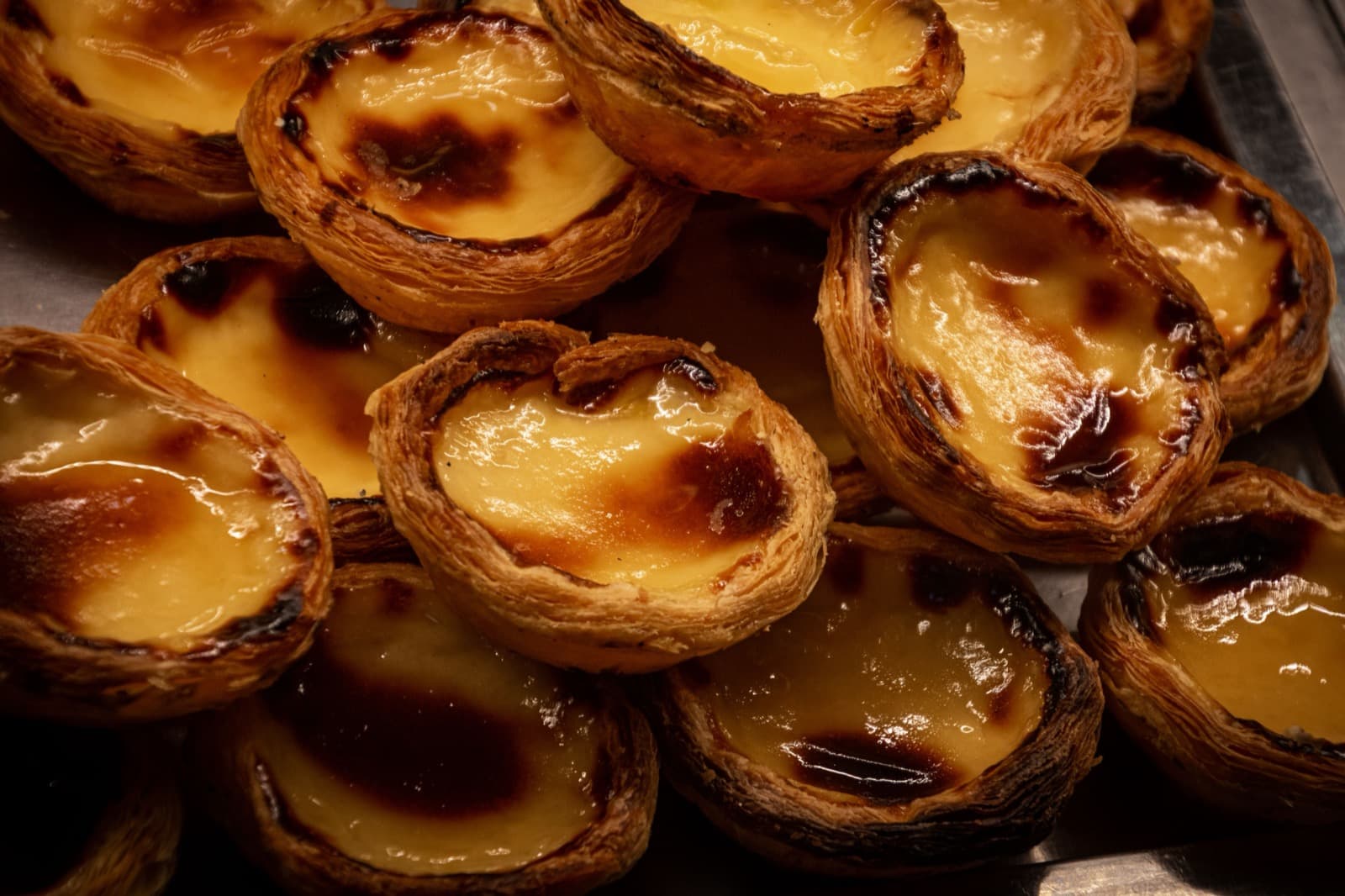
- Egg tart: crisp pastry cradling a wobbly egg custard. The default partner for an afternoon tea break.
- Bolo bao (pineapple bun): there is no pineapple in it; the name comes from the crackled crust that happens to look like one. Slide a cold slab of butter inside and it is complete.
- Hong Kong French toast: the local version is cooked in a deep-fried style, then finished with condensed milk and butter. A gloriously heavy plate.
- Breakfast set: macaroni soup or noodles with ham, egg, and toast alongside. This combination is the essence of the culture, which is why a morning visit is the classic move.
How Not to Panic on Your First Visit
A cha chaan teng lives and dies by turnover. Learn a few habits and you will blend in like a regular from the first minute.
- At busy hours, sharing a table with strangers is the default. Do not be flustered; just take the empty seat.
- Keep your order short. Pointing at a number or a photo on the menu is entirely enough.
- The hot water that arrives when you sit down sometimes comes from the habit of rinsing utensils rather than drinking, so glance around and follow what the locals do.
- Payment usually happens on the way out, at the counter, with the slip left on your table.
- This is a diner you eat at and leave, not a cafe you settle into for hours. Especially at peak times.
That sense of speed is part of the experience. Go on a day you want to ride Hong Kong's rhythm, not on a day you are craving a slow brunch.
Where to Go, and When
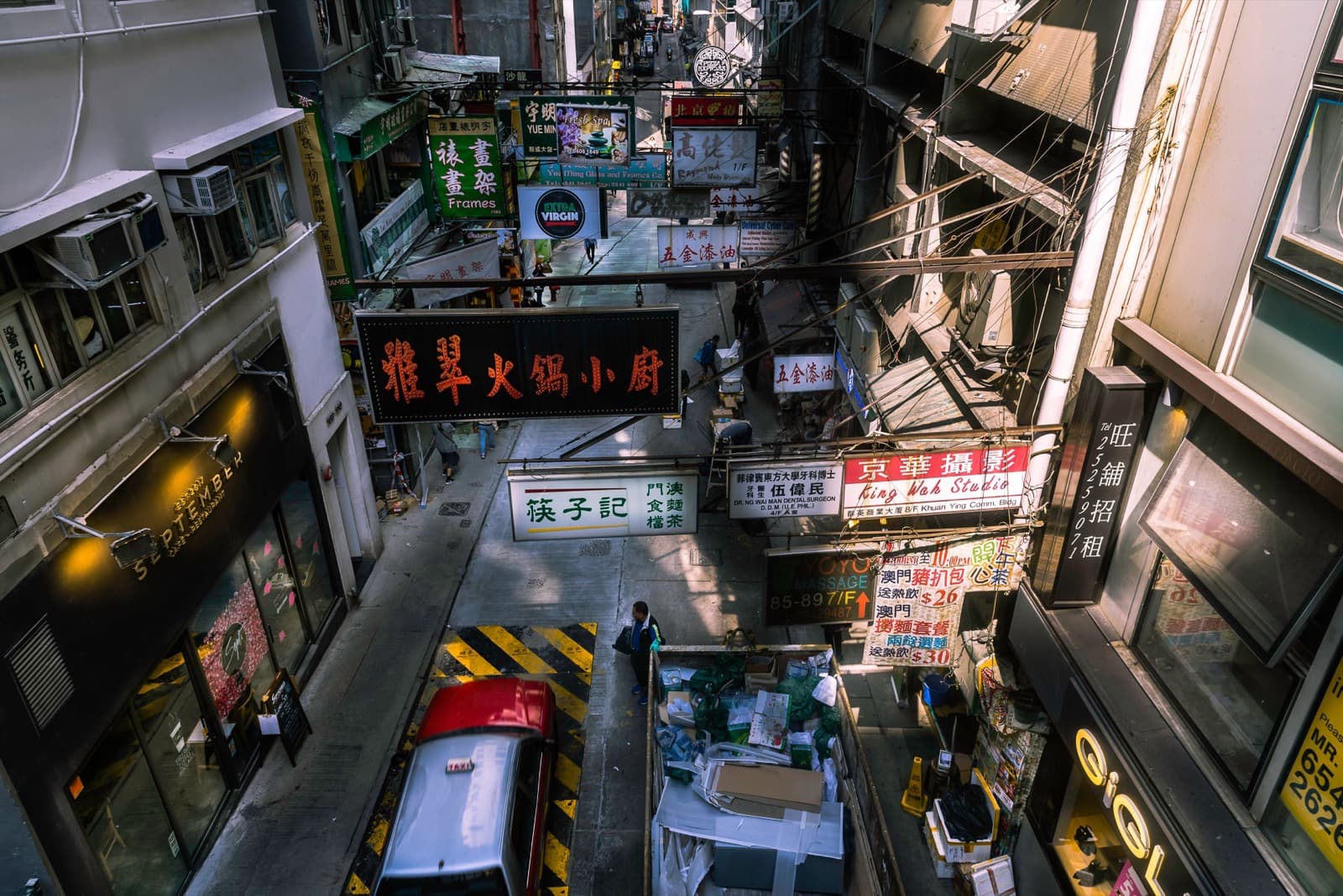
A cha chaan teng is not a landmark; it is a layer of daily life spread across the entire city. Tsim Sha Tsui, Mong Kok, Central: every neighborhood keeps its old, long-running diners, so the best plan is simply to open each morning at one near your hotel or along that day's route. On a short trip, rotating through a different cha chaan teng every morning becomes a superb food tour all on its own, no reservations and no lines around the block.
As for timing, morning wins. A breakfast set eaten among commuters is the experience at its most authentic, and by afternoon the same room turns into a tea-time course of milk tea with an egg tart.
How to Fold It Into Your Hong Kong Itinerary
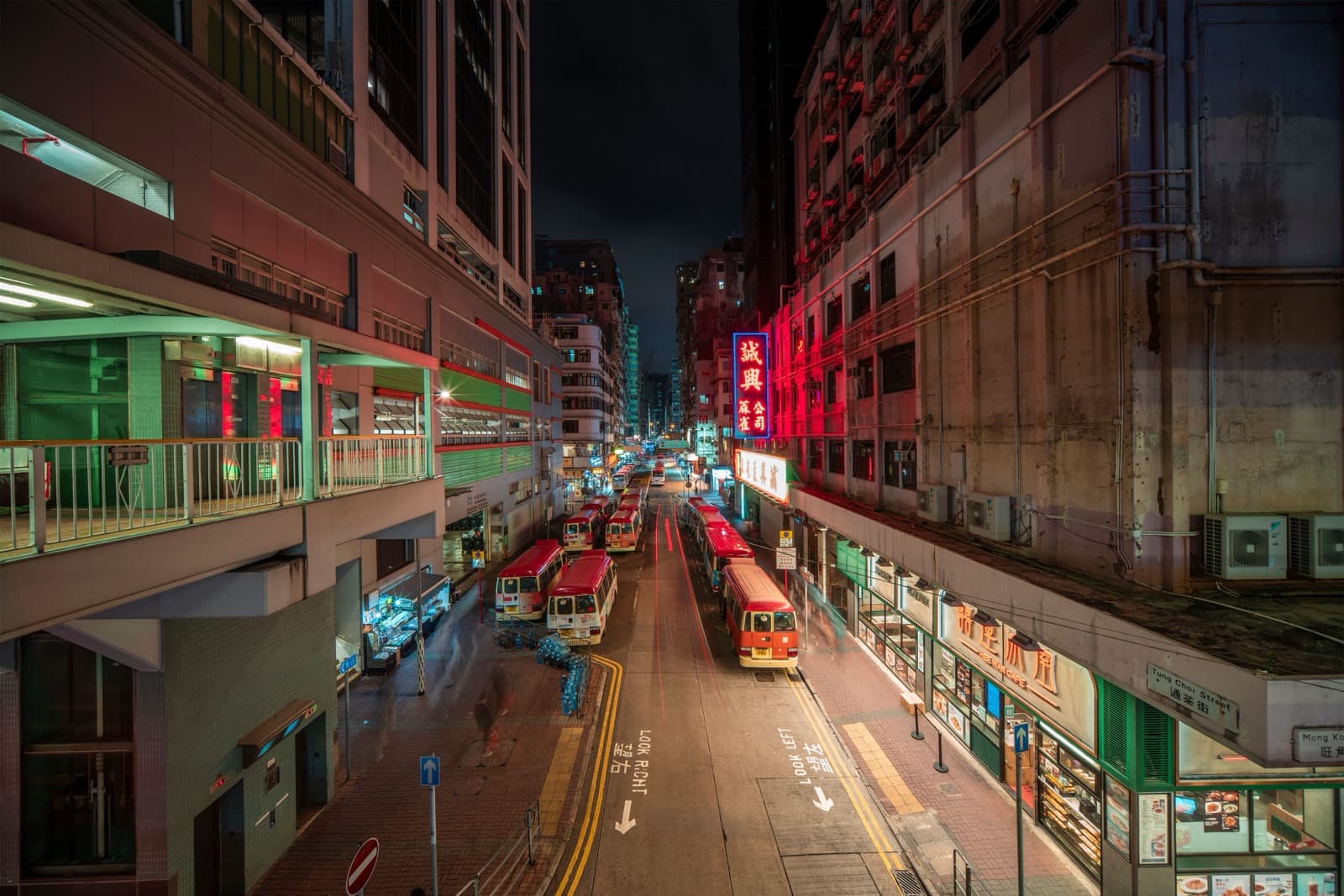
A cha chaan teng breakfast is a 30 to 40 minute stop, so it never eats into your day. Have breakfast in Tsim Sha Tsui and cross the harbour on the Star Ferry, or eat in Mong Kok and browse the street markets right after; both flows feel completely natural. For the day-by-day routes, the Hong Kong 3-night 4-day itinerary lays everything out area by area.
The Craft Inside a Cup of Milk Tea
What makes Hong Kong milk tea special is the way it is filtered. The tea is passed again and again through a fine cloth sack, and because that sack resembles a silk stocking, the drink picked up the nickname silk stocking milk tea. The classic method blends several black teas, brews them strong, and rounds the cup off with unsweetened condensed milk for smoothness. That first sip, where bitterness and creaminess arrive together, balances a little differently at every shop, and regulars choose their diner by the taste of its house milk tea.
Dim Sum vs. Cha Chaan Teng: What Is the Difference?
This is the point travelers mix up most often. Dim sum (yum cha) is closer to a leisurely dining culture, a group gathered around a table taking its time; a cha chaan teng is the everyday meal you knock out quickly, even alone. That contrast is exactly why the two pair so well. Ride Hong Kong's rhythm at a cha chaan teng on weekday mornings, then give one day to a long, unhurried dim sum brunch, and you will have lived both faces of the city's food culture in a single trip.
Why Solo Travelers Love It
The cha chaan teng is holy ground for solo dining. With table-sharing as the default, a party of one is never out of place, and the quick turnover makes the rhythm of eating alone and standing up feel natural rather than awkward. Fifteen minutes wedged in among locals, scrolling your phone where they once folded newspapers, emptying a breakfast set. It is less sightseeing than a short spell of living as a Hongkonger.
A First-Visit Simulation: One Round of the Breakfast Set
You push the door open and a server flicks a glance toward an empty seat. You take the end of a shared table, point at the breakfast set number on the menu, and ask for the milk tea hot. In under three minutes the macaroni soup, eggs, and buttered toast have landed. The man beside you is folding up his newspaper, and the kitchen's shouted orders flow like a rhythm track. Fifteen minutes later you carry your slip to the counter, pay, and you are done. Go through this one round and you will catch yourself looking forward to breakfast for the rest of the trip.
Bringing the Kids
A cha chaan teng is unexpectedly family-friendly. Macaroni soup, French toast, and egg dishes sit right in the core lineup, all easy wins for a child's palate, and the food arrives so fast that kids barely have time to get restless. Do factor in the shared tables and the noise at peak hours, though. Choose a quieter slot, early morning or the afternoon tea lull, and it becomes a comfortable Hong Kong meal for kids and adults alike.
At a Glance
- What: a working-class Hong Kong diner born in the 1950s, with an East-meets-West menu
- Must-orders: milk tea, egg tart, bolo bao, French toast, and the breakfast set
- Culture: table-sharing is natural, orders stay concise, pay at the counter on the way out
- Timing: morning is the essence, afternoon works as a tea-time course
- Where: old diners near your route rather than one famous name, rotating every morning
- Budget: local prices, so it is an easy meal on any budget
Get the Trip Planned
Type "plan 4 days in Hong Kong around night views and dim sum" into Tripop, the AI travel planner, and a day-by-day itinerary comes together by area; each morning, you simply pick a cha chaan teng in that day's neighborhood. Log your spending in the foreign-currency expense tracker in Hong Kong dollars exactly as you pay them and it settles the totals with the exchange rate applied, while your itinerary opens offline even down in the MTR.
Images: Pexels (Clarence Chan: local cafe; Magda Ehlers: egg tarts; Arnie Chou: Hong Kong street; Jimmy Chan: neon street), Pexels License.