
In restaurant reservation data from foreign visitors to Korea, ganjang gejang, the country's soy sauce marinated raw crab, ranks second, right behind fried chicken. Uncooked marinated crab sounds like a dish you would hesitate over, yet travelers who have already watched the crab-shell rice scene in dramas and mukbang shows open a booking app the moment they land in Seoul. Here is why ganjang gejang is having its moment, and where and how to eat it.
What the data says: chicken 34%, ganjang gejang 24%
According to the 2025 Inbound Travel Trend report from inbound travel platform Creatrip, food-category reservations by foreign visitors to Korea break down to fried chicken first at 34%, ganjang gejang second at 24%, and dessert third at 13%. Fried chicken, fair enough, is a universal language. But raw crab aged in soy sauce sitting at No.2 in foreign bookings is a shift worth noticing.
International ratings back it up. On the global food ranking platform TasteAtlas, ganjang gejang reached No.1 among the world's best-rated foods with 4.2 out of 5 (as of May 2026). In the 2026 Overseas Hallyu Survey, 55.1% of respondents named food as a popular area of Korean culture and 78.0% said they had tried Korean food. Read together, the signals say interest in K-food is moving past chicken into its next phase.
What ganjang gejang is: the rice thief and crab-shell rice
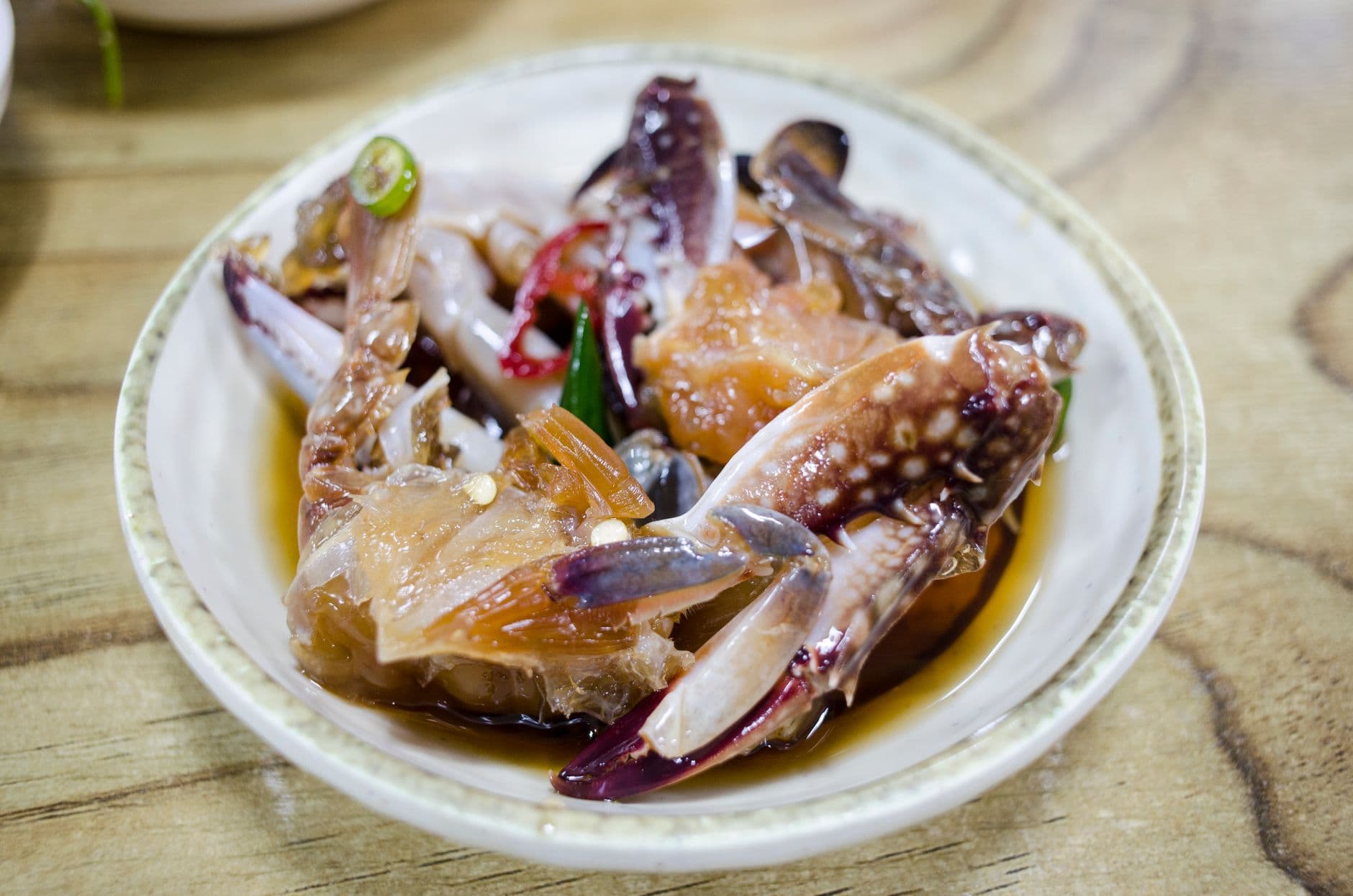
Ganjang gejang (간장게장) is fresh blue crab aged for several days in a soy-sauce-based marinade. No heat is involved; aging alone completes the dish, so the flesh stays soft as pudding, and the briny, soy-infused meat is a natural match for a bowl of white rice. The rice disappears so fast that Koreans nicknamed the dish the rice thief.
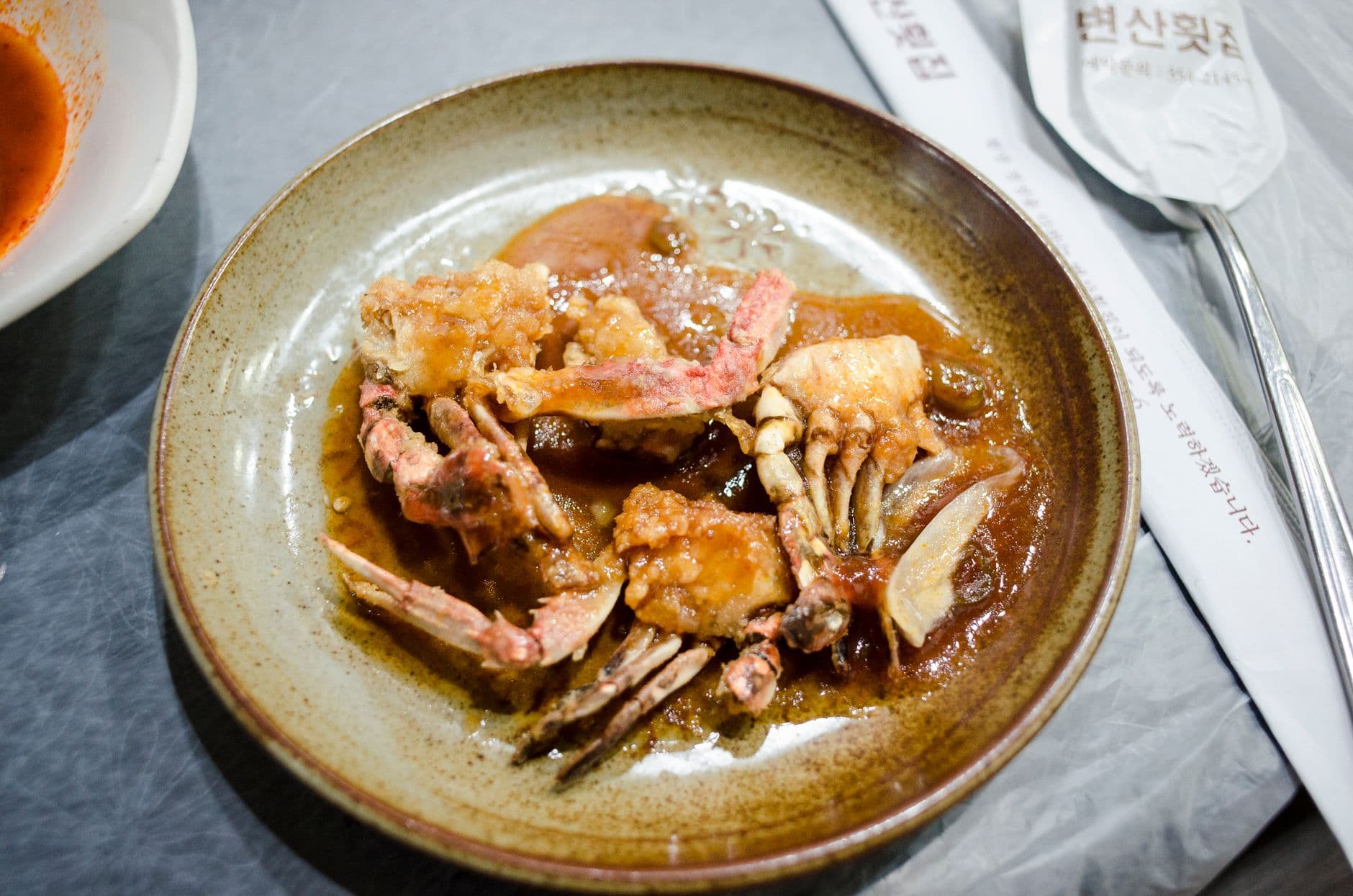
The highlight comes at the end. Spoon hot rice into the crab's top shell with the remaining roe and innards, add a drop of sesame oil, and mix: that is crab-shell rice (gettakji-bap). It is the exact scene that has appeared again and again in K-dramas and mukbang variety shows, which is why many first-time visitors arrive already knowing how to eat it.
From the K-drama table to yours
Media is the engine behind the boom. K-drama dinner scenes and mukbang variety shows in the Baek Jong-won mold have shown the world how crab-shell rice is eaten, and as reviews stacked up under the gejang hashtag on social media, "try that in Seoul" became a wishlist item. The entry barrier of an unfamiliar texture had already been lowered by the screen before anyone boarded a plane.
Where to eat: three low-risk picks
For a first ganjang gejang, a proven specialist is the safe play. These are the Seoul names that come up again and again.
- Jinmi Sikdang (진미식당) (Gongdeok, Mapo): a ganjang gejang specialist listed in the Michelin Guide for 8 consecutive years. Female blue crabs from Korea's west coast are aged at low temperature in a house-special soy sauce. At around 45,000 won per serving it is not cheap, but the lines are long enough that it gets called a pilgrimage site for foreign foodies.
- Gebang Sikdang (게방식당) (near Gangnam-gu Office Station, plus Seongsu): a Michelin Bib Gourmand selection 8 years in a row. Set meals run 30,000 to 40,000 won, a relatively approachable price, and alternative menus like yangnyeom gejang and saeujang are on offer. The Nonhyeon branch opens reservations 90 days out.
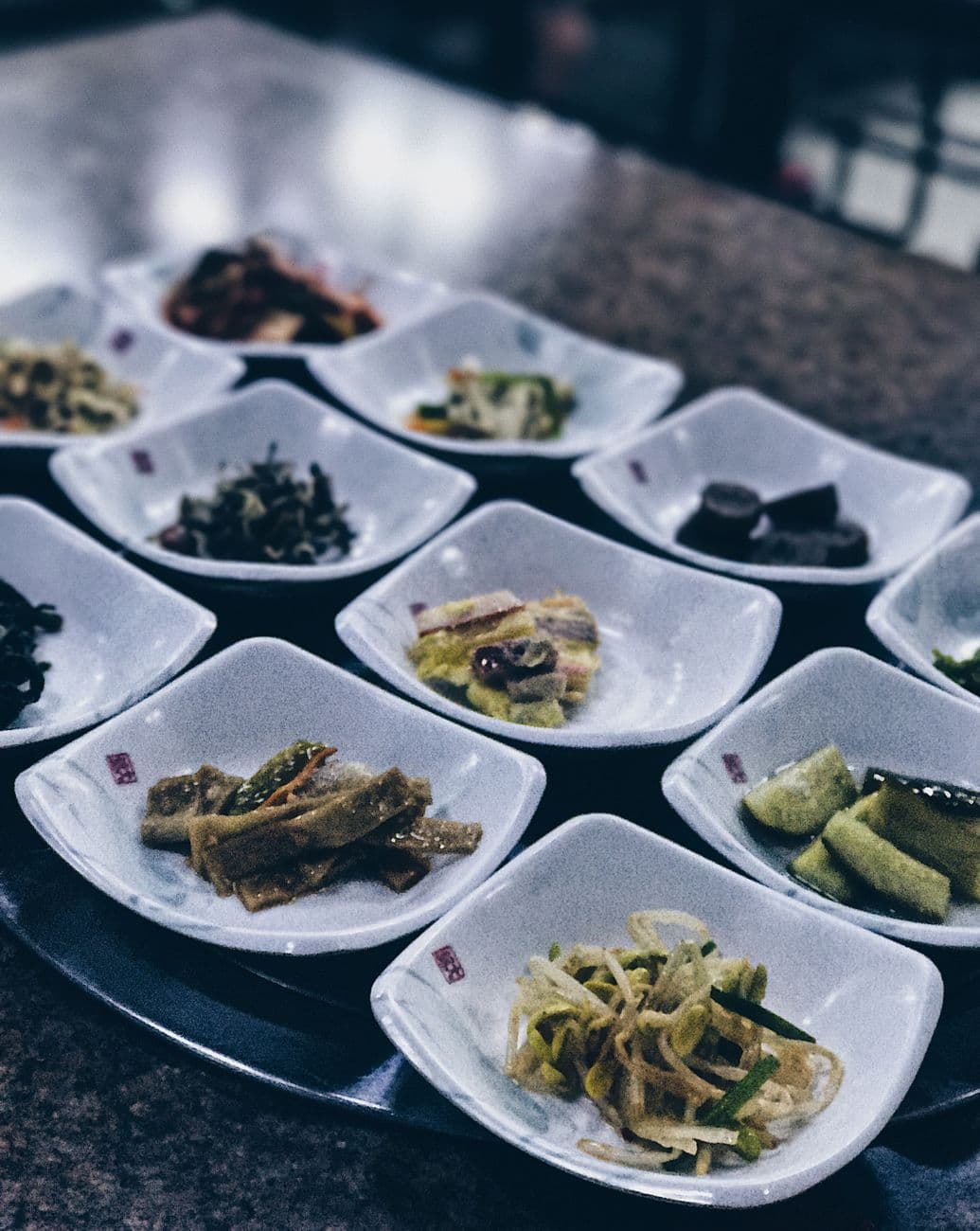
- Keun Giwajip (큰기와집) (Bukchon): a veteran restaurant serving gejang set meals inside a traditional hanok. The location pairs nicely with a palace walk.
Reservations and practical tips
- Booking apps: walk-in waits at the popular spots run long, so a reservation is practically mandatory. For foreigners the standard is the Catchtable Global app, which works without a Korean phone number, and many restaurants also take bookings through Naver.
- Timing: right when lunch service opens is usually the shortest wait of the day.
- Budget: given the ingredient, ganjang gejang is not a cheap dish. Plan on 30,000 to 50,000 won per person.
- If raw is a hurdle: start with yangnyeom gejang, the spicy-dressed version, or take the detour through marinated shrimp (saeujang) or marinated abalone (jeonbokjang).
- Allergies: if you have a crustacean allergy, this is a dish to skip entirely.
Add chicken and dessert for a full food day
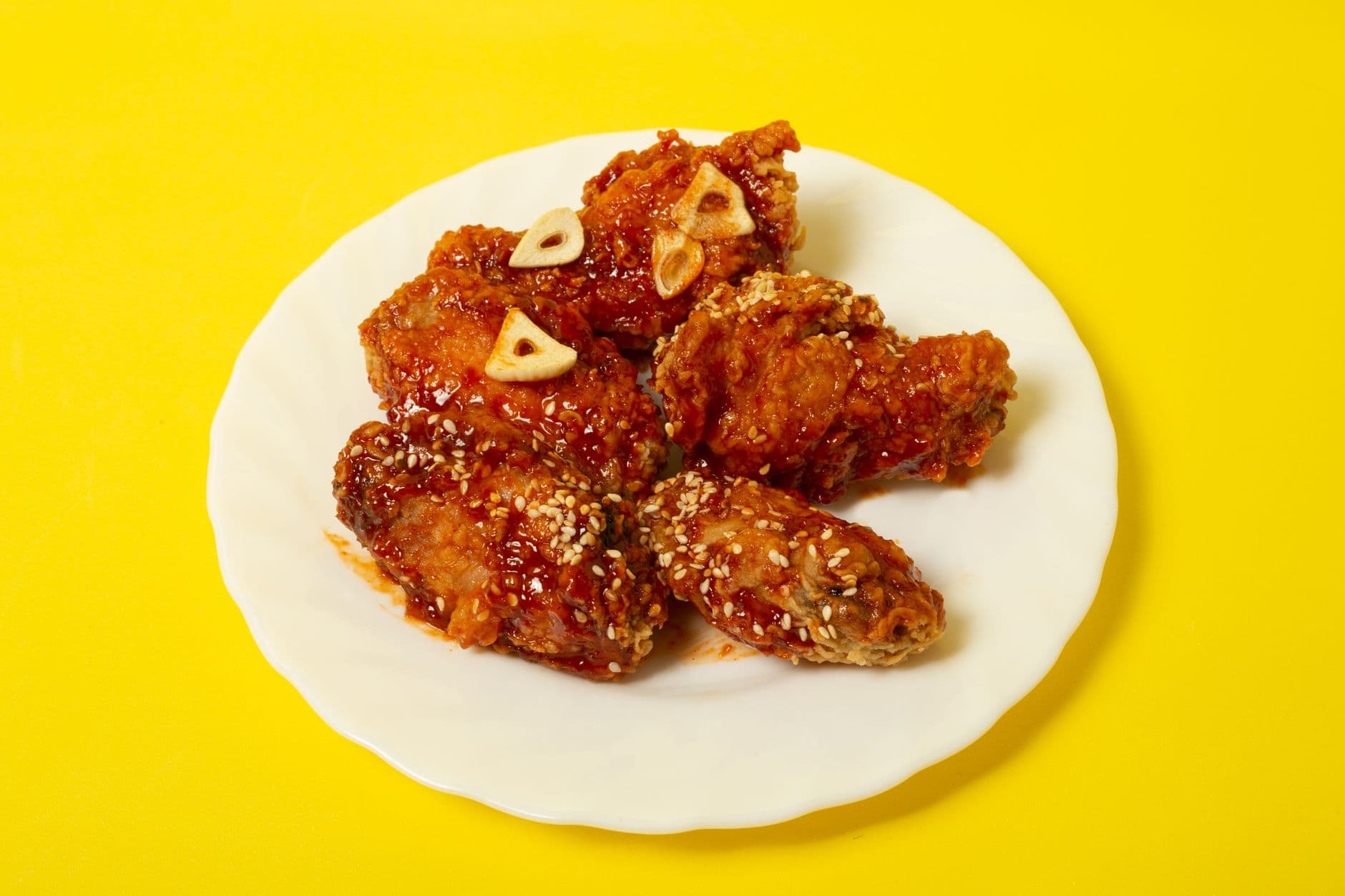
Pair No.1 chicken and No.3 dessert with your crab and the day writes itself: a ganjang gejang set for lunch, cafe dessert in the afternoon, chimaek (fried chicken and beer) in the evening. To bundle in Seoul's other trending experiences, our 2026 Korea travel trends roundup lays out a one-day course running from Olive Young hauls to four-cut photo booths.
At a glance
- Foreign visitors' food reservations: chicken 34%, ganjang gejang 24%, dessert 13% (Creatrip, 2024 data)
- TasteAtlas world's best-rated food No.1: ganjang gejang at 4.2 (as of May 2026)
- Where: Jinmi Sikdang (Gongdeok, around 45,000 won per person), Gebang Sikdang (Gangnam and Seongsu, sets 30,000 to 40,000 won), Keun Giwajip (Bukchon)
- Booking: Catchtable Global (no Korean number needed); Gebang Sikdang Nonhyeon opens 90 days ahead
- The finishing move: crab-shell rice (gettakji-bap), mixed right in the shell
How to build it into your itinerary
Tell Tripop something like "plan a 3-night 4-day Seoul trip with a ganjang gejang and chicken course" and the AI arranges the route around your reservation times. Attach confirmation emails or vouchers to the itinerary and they open offline too, while the travel expense tracker sorts your food spending automatically. For a full city plan, read it alongside our Seoul 4-night 5-day itinerary.
Images: Pexels (makafood: ganjang gejang, 2 photos; Ivan Babydov: fried chicken; Rov Camato: Korean table setting), Pexels License.