
Korea travel is in the middle of its biggest boom ever. In January to May 2026 alone, 8.71 million international visitors arrived, up 21% from the year before. But the numbers are not the interesting part; the change in how people play is. Gyeongbokgung Palace and Namsan are as popular as ever, yet today's Seoul gets completed in the aisles of Olive Young, inside a photo booth, and at a Dongdaemun bead stall. Here are the five Korea travel trends of 2026, each with its own full guide.
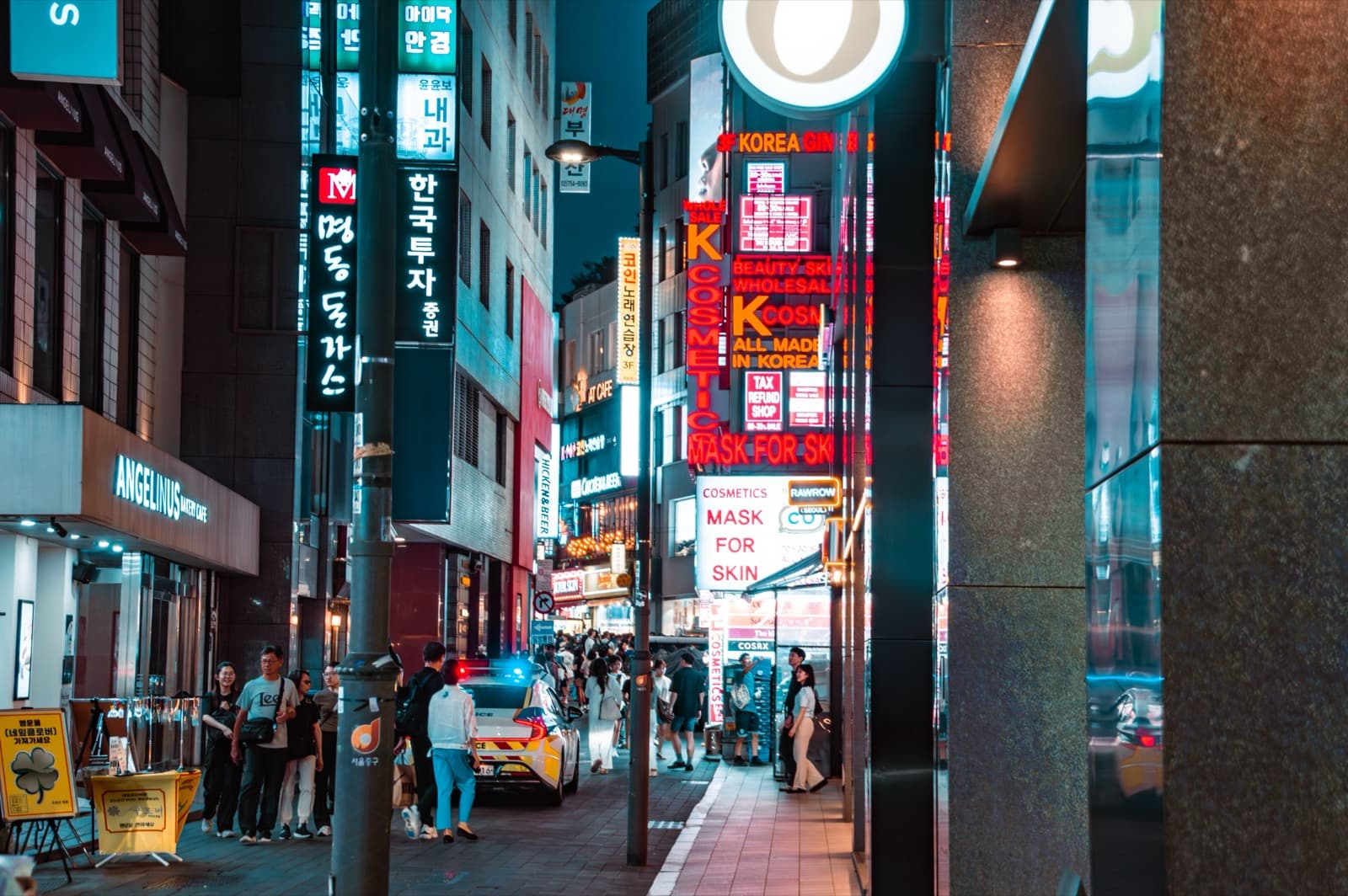
This is a hub post. Each trend below gets a short profile, the numbers behind it, and why travelers love it, plus a link to a detailed guide with the step-by-step practicalities. Read straight through for the big picture, or jump to whichever trend fits the trip you are planning.
The Numbers: Korea's Record-Breaking Year for Visitors
The records keep falling, one after another. March 2026 brought 2.06 million visitors in a single month, an all-time monthly high. The first quarter's 4.76 million was the best quarter ever recorded. By the end of May, cumulative arrivals for the year stood at 8,716,791, up 21% on the same period last year. That follows a 2025 full year of roughly 18.7 to 18.94 million, and it puts the official 2026 goal, breaking 20 million visitors, firmly within reach.
The growth is not just in volume. The nationality mix is broadening: alongside the long-established flows from China, Japan, and Taiwan, arrivals from Europe and the Americas keep climbing. And these travelers land with a different agenda. Having discovered Korea through K-culture, they are less interested in observing famous places and more interested in doing what Koreans do on an ordinary Tuesday. The five trends below are what that looks like on the ground.
Trend 1. Olive Young: The Stop 80% of Visitors Make
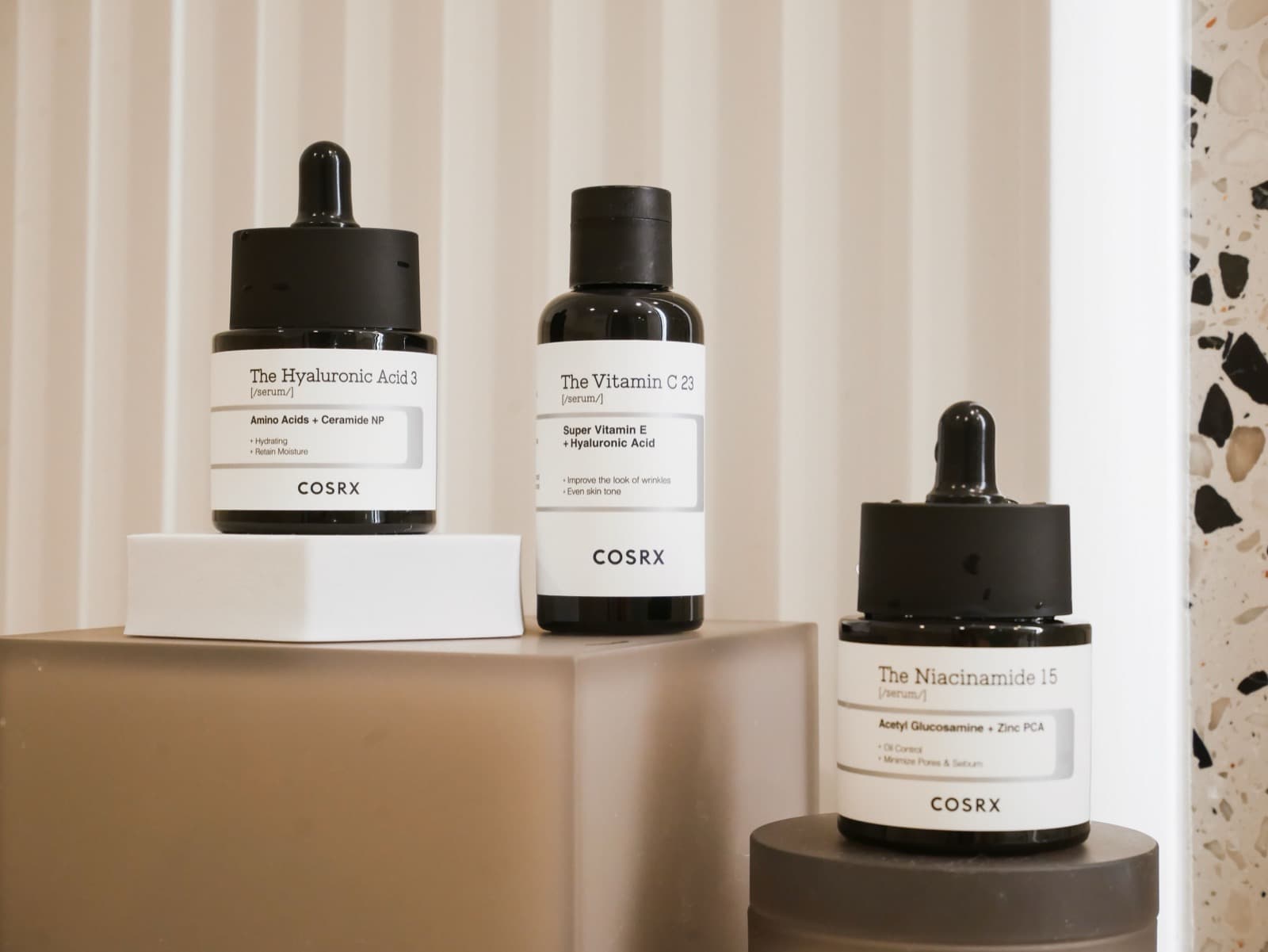
At this point it is fair to call Olive Young a tourist destination in its own right. An estimated 80% of visitors to Korea stop at the beauty chain, and at the Myeongdong flagship, foreign shoppers account for more than a quarter of total sales. The appeal is structural: hundreds of K-beauty brands under one roof, testers out for nearly everything so you can compare on the spot, and instant tax refunds handled right in the store. Follow the bestseller rankings on the shelves and you are effectively shopping with the whole country's review data. For how to work the rankings and claim your refund, see the Olive Young shopping guide.
Trend 2. Daiso: The 5,000-Won Souvenir Warehouse
More than half the customers at Daiso's Myeongdong store are now foreign visitors. Almost everything sells at flat price points of 5,000 won or less, and the quality regularly beats the price tag, which has turned the store into a haul destination where travelers fill baskets with dozens of sheet masks and serums to hand out as gifts back home. The seasonal fad corner adds a treasure-hunt bonus; right now it is stocked with wax-crush balls, the squeeze-toy craze of the moment. For a floor-by-floor plan of attack, check the Daiso shopping guide.
Trend 3. Personal Color Analysis: 1,000 Foreign Visitors a Month in Hongdae
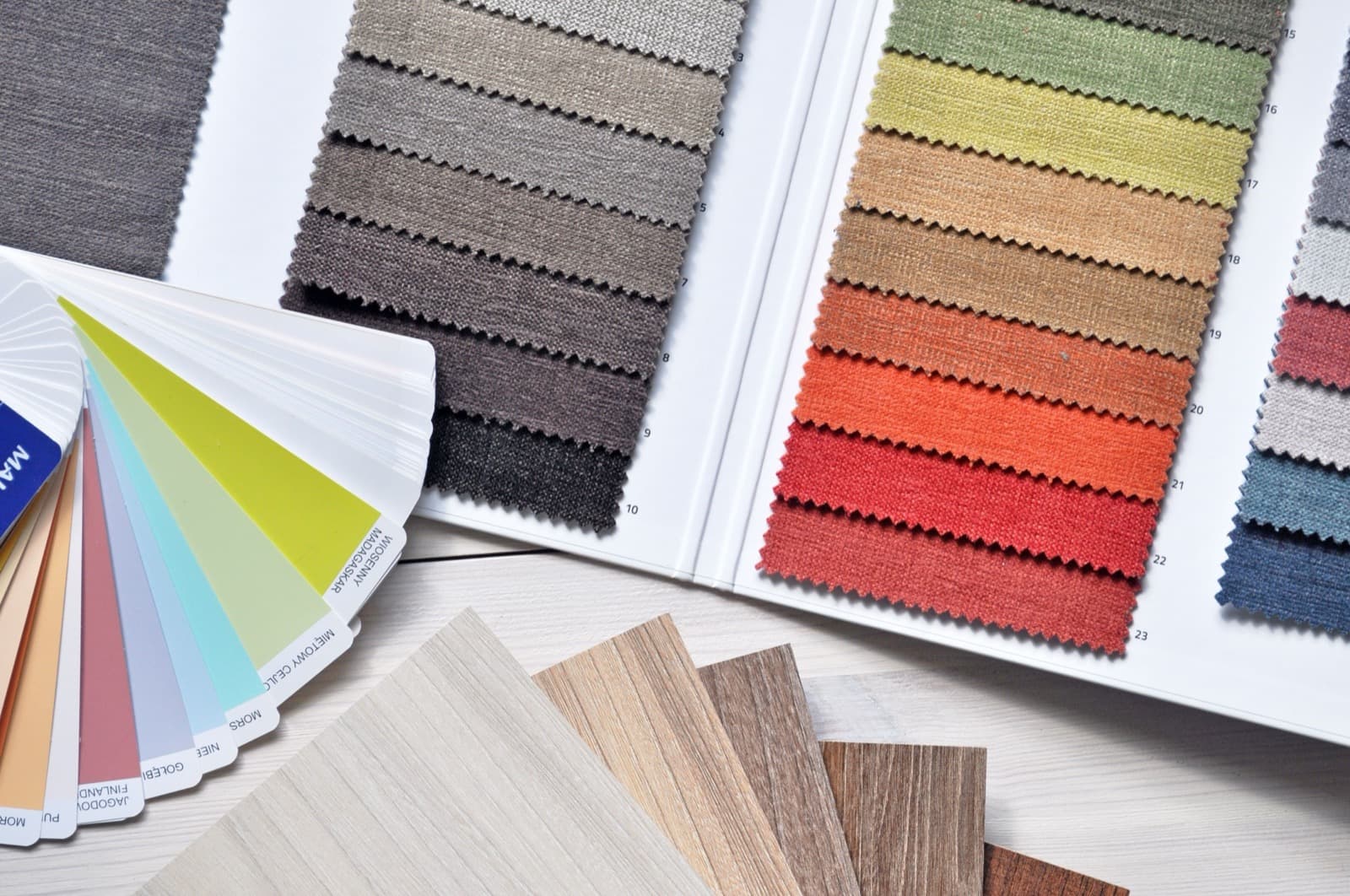
Personal color analysis, a session where a consultant drapes swatch after swatch of colored cloth against your face to pinpoint the palette that flatters you most, has grown into one of Seoul's signature experiences. A single studio in Hongdae now welcomes 1,000 foreign clients a month. And the diagnosis is only half the ritual: the full set ends with you carrying your result card into Olive Young and picking out makeup in your newly confirmed tone. How to book, what happens in a session, and how to use the results are all in the personal color analysis guide.
Trend 4. Life4Cuts: Four-Cut Photo Booth Use Up 65%
Foreign use of Korea's self-serve photo studios surged 65% year over year, making the four-cut booth the clearest case of visitors adopting an everyday Korean habit wholesale. Karaoke rooms (+18%) and PC bangs, Korea's gaming cafes (+36%), are riding the same wave. In Hongdae and Seongsu, branded booths line entire alleys, and you walk out with printed strips plus the photo files and video downloaded by QR code. For posing tips and the best-located booths, see the photo booth guide.

Trend 5. Bolkku: Make Your Own Souvenir in Dongdaemun
Bolkku, Korean shorthand for pen decorating, is the newest branch of the country's decorating culture. On the craft-parts floors of Dongdaemun Jonghap Market, you choose beads and charms piece by piece from the stalls and assemble them into a pen on the spot, and the aisles are packed even on weekdays. The result is arguably the perfect travel souvenir: one of a kind, light, unbreakable, and finished for just a few thousand won. For the formula on picking materials, use the Dongdaemun bolkku guide.
The Full Trend Course: How to Do All Five in One Day
The five trends chain neatly into a single day. Start the morning in Hongdae with a personal color analysis. Ride to Myeongdong at midday for Olive Young, result card in hand, then continue to Daiso. Spend the afternoon at Dongdaemun building your bolkku pen. In the evening, return to Hongdae and close the day in a four-cut booth, wearing makeup in your new tone. Every leg is just a few subway stops, so the loop genuinely works, and this one day is a compressed portrait of how Seoul is traveled right now.
If you want to mix in the classics, Gyeongbokgung, Bukchon, and Gwangjang Market, use the Seoul 4-night 5-day itinerary as your skeleton and slot the trend stops in. Heading beyond the capital? Layer the trends onto the Busan 2-night 3-day itinerary or the Jeju 3-night 4-day itinerary.
What These Trends Are Really Telling Us
Look at the five together and the common denominator is obvious: none of them is a landmark. Olive Young aisles, the Daiso checkout line, the inside of a photo booth, these were simply the backdrop of Korean daily life, and now that daily life itself has become the content. Travelers who have already watched these scenes for years in K-dramas and K-pop videos are not coming to see Korea from the outside; they are stepping into the frame. That is also why these experiences outlast guidebook sights. A palace photo joins thousands of others in your camera roll, but the pen you assembled bead by bead and the lipstick matched to your exact tone go home with you and get used every single day.
Three Things to Check Before You Go
First, the only experience that needs a reservation is personal color analysis; everything else is strictly walk-in. Second, carry your passport whenever you shop, since you will need it for tax refunds. Third, the figures in this post are current as of mid-2026, so double-check the fine print closer to your visit. Trends move fast in Seoul, and that is precisely the point of them.
At a Glance
- Scale: 8.71 million visitors in January to May (+21%), a record 2.06 million in March alone, and a national target of 20 million
- Shopping: K-beauty hauls at Olive Young (80% of visitors) and Daiso (over half the customers are foreign)
- Experiences: personal color analysis (1,000 a month at one Hongdae studio), four-cut booths (+65%), bolkku (Dongdaemun)
- The course: Hongdae analysis, then Myeongdong shopping, then Dongdaemun bolkku, then a Hongdae four-cut, all in one day
- Extensions: layer the trends onto the Seoul itinerary, and use the same formula in Busan and Jeju
Plan It in One Line
Type a single line into Tripop, something like 'plan 5 days in Seoul with Olive Young, a personal color analysis, and Life4Cuts,' and the AI arranges the trend stops into a route that makes sense on the map. Your shopping and experience spending lands in a foreign-currency expense tracker that applies the exchange rate for you, and a saved itinerary opens offline, so the plan is still in your hand on the subway between Hongdae and Myeongdong.
Images: Pexels (Saksham Vikram: Myeongdong at night; Alexey Demidov: photo strips; Pixabay: color swatches; PinkWitch: K-beauty), Pexels License.