
The one trick to Sapporo's autumn is that the gorge and the city do not turn at the same time. Jozankei, in the hills outside town, peaks in early to mid October; the ginkgo avenue at Hokkaido University only goes gold in late October. So this 3-night, 4-day plan is not a fixed course but a structure that swaps the weight of Day 2 and Day 3 by your departure week. The reservation-only bus, the electric bus timetable, and the fares that changed in 2026 (the Beer Museum's paid admission, the subway's contactless fare cap) are all pinned to official pages.
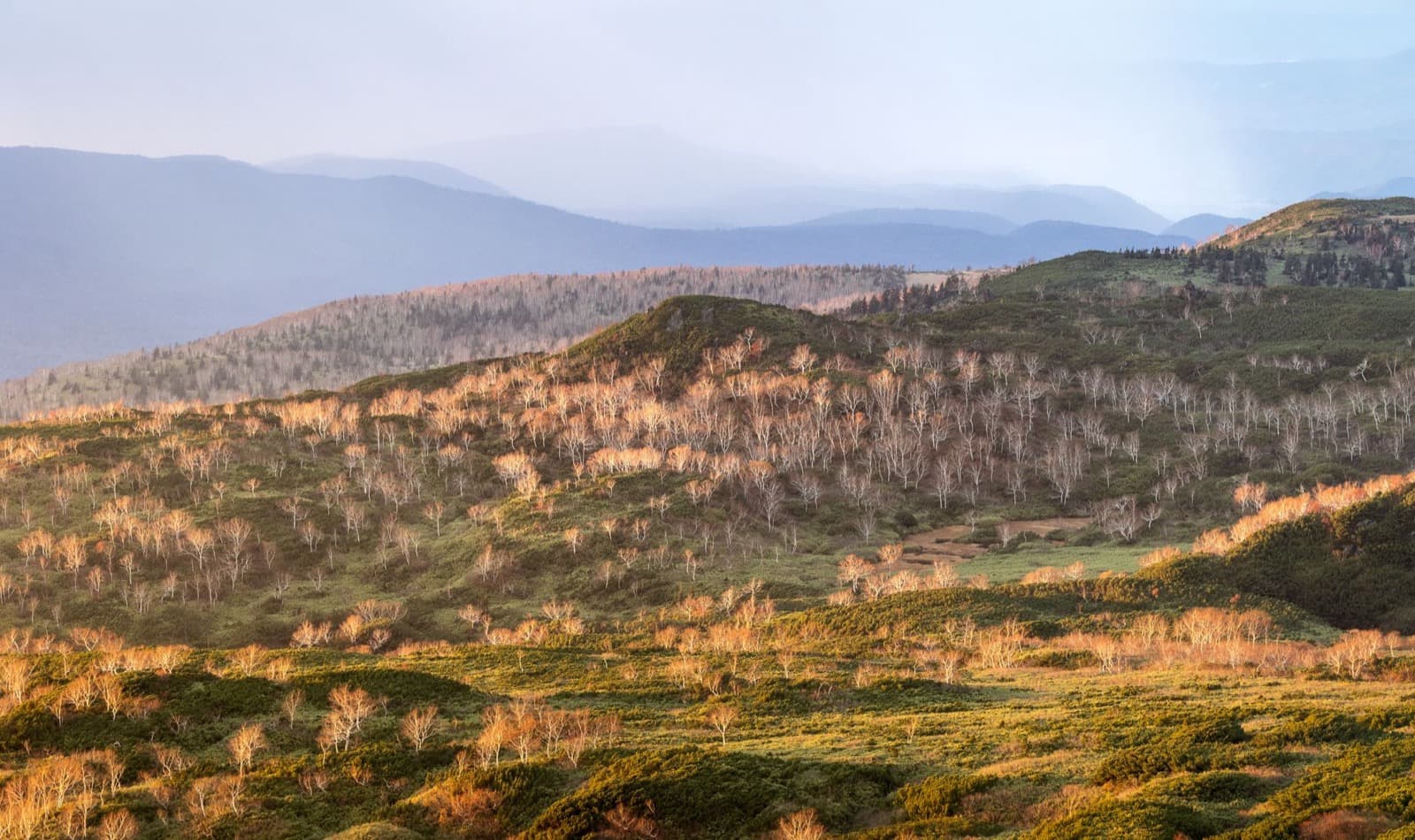
How many days Sapporo actually needs, and for what
Three nights in autumn Sapporo splits into two days downtown and one full day for the Jozankei gorge. The downtown sights (Odori, Hokkaido University, the Beer Museum, Susukino) fit into two days on foot and by subway, while Jozankei costs two and a half hours in buses round trip, so it needs a whole day. The only real variable is the order. Departing in early or mid October, put the gorge day first; departing late in the month, give the ginkgo avenue your first morning.
| Day | Area | Course | Transport and notes |
|---|---|---|---|
| Day 1 | Arrival, downtown | New Chitose Airport → Sapporo Station, Odori Park, TV Tower, Clock Tower, evening in Susukino | JR Rapid, 33~37 min at fastest |
| Day 2 | Jozankei | Kappa Liner to the gorge walk → Hoheikyo Dam electric bus → onsen day bath, Mt. Moiwa night view | Bus about 70 min, book by 5 p.m. the day before |
| Day 3 | Downtown foliage | Hokkaido University ginkgo avenue → Beer Museum and beer-garden lunch → Nakajima Park | Subway and walking |
| Day 4 | Market, departure | Nijo Market breakfast → New Chitose Airport → fly out | JR Rapid |
The swap rule by departure week. Day 2 and Day 3 are designed to trade places wholesale.
- Departing early to mid October → keep the table as is. The gorge is at its peak and downtown is only starting to turn.
- Departing late October to early November → center the foliage on downtown (the university avenue and Nakajima) and shrink Jozankei to an onsen-focused half day. The gorge is likely past peak, and the seasonal access bus to Hoheikyo Dam also ends in late October (October 25 in 2026), after which little short of a taxi reaches the dam.
- Departing in the week straddling October 25 → put Jozankei on the front days of the trip. One day's difference is what cuts off the dam access bus.
Swapping the order does not change the foliage. What the swap buys is giving the area closer to peak an intact day and the clearer weather, and dodging closure days. The Beer Museum closes on Mondays, so if your downtown day lands on a Monday, drop the museum and fill the day with Nakajima Park and the university avenue, or swap again.
Before departure: entry, connectivity, payment
| Item | Detail |
|---|---|
| Visa | Korean passports are visa-free for 90 days (tourism) |
| Entry procedure | Register immigration and customs on Visit Japan Web in advance and pass with QR codes |
| Connectivity | A Japan-only eSIM is enough; signal can weaken in parts of the Jozankei gorge |
| Payment | Contactless cards as the default, small cash on hand. Markets and small diners still lean cash |
| Time difference | None (same as Korea) |
| Exchange rate | 100 yen ≈ 870 KRW (as of September 2026) |
Sapporo has one transport-payment quirk worth knowing. From March 26, 2026 the Sapporo subway applies a daily fare cap to contactless credit-card tap-in rides. Once your accumulated fares reach 830 yen on weekdays or 520 yen on weekends and holidays, further rides that day are free, which equals the paper day pass and the Donichika ticket without visiting a counter. It applies to the subway only and at adult fares only. JR, the streetcar and city buses still take Suica-type transit IC cards or cash as before.
Airport to hotel: rail is the default wherever you stay
There are three hotel zones to consider: around Sapporo Station (best for transfers), Odori (central to everything), and Susukino/Nakajima-koen (night life and food). Whichever you pick, the JR Rapid Airport train is the default airport link.
| Hotel zone | Going in (airport → hotel) | Going back (hotel → airport) |
|---|---|---|
| Around Sapporo Station | JR Rapid Airport, 33~37 min at fastest, 1,230 yen | Same. Up to six trains an hour in the daytime |
| Odori | JR to Sapporo Station → one stop on the Namboku subway line (210 yen), or a 10-minute walk | Reverse. Take the subway with a large suitcase |
| Susukino / Nakajima-koen | JR to Sapporo Station → two or three stops on the Namboku line (210 yen) | Reverse. For morning departures, check the first subway train |
How to ride. New Chitose Airport's JR station connects directly to the terminals; from international arrivals, follow the signed walkway toward the domestic side and the ticket gates appear. Suica-type IC cards go straight through the gates, and the reserved u-seat (1,000 yen, 800 yen ticketless online) is worth adding only with big luggage or for a guaranteed seat. Unreserved cars need no booking.
Counting backwards on departure day. For an international flight, arriving 2 to 2.5 hours early is safe; with the 40-minute train ride and boarding buffer, leaving Sapporo Station three hours before departure is the right arithmetic. For an early-morning flight, check the first subway and JR trains the night before. Airport limousine buses reach hotel doors but ride the road traffic and run less often than the train, so they are the backup in this plan.
Areas and how to split your time
| Area | Key spots | Getting there | Time to give it |
|---|---|---|---|
| Sapporo Station / Odori | Clock Tower, Odori Park, TV Tower | All walkable | Arrival-day half day |
| Susukino / Nakajima | Ramen Yokocho, Nijo Market, Nakajima Park | 1~3 stops on the Namboku subway | Every evening plus a half day |
| Hokkaido University | Ginkgo avenue | 15-minute walk from Sapporo Station | 1~2 hours |
| Maruyama / Okurayama | Hokkaido Shrine, ski-jump observatory | Tozai subway plus bus | Optional half day |
| Jozankei (outskirts) | Futami suspension bridge, Hoheikyo Dam, onsen town | Reservation-only bus, about 70 min | One full day |
What to see, day by day
Odori and central Sapporo, the arrival half day
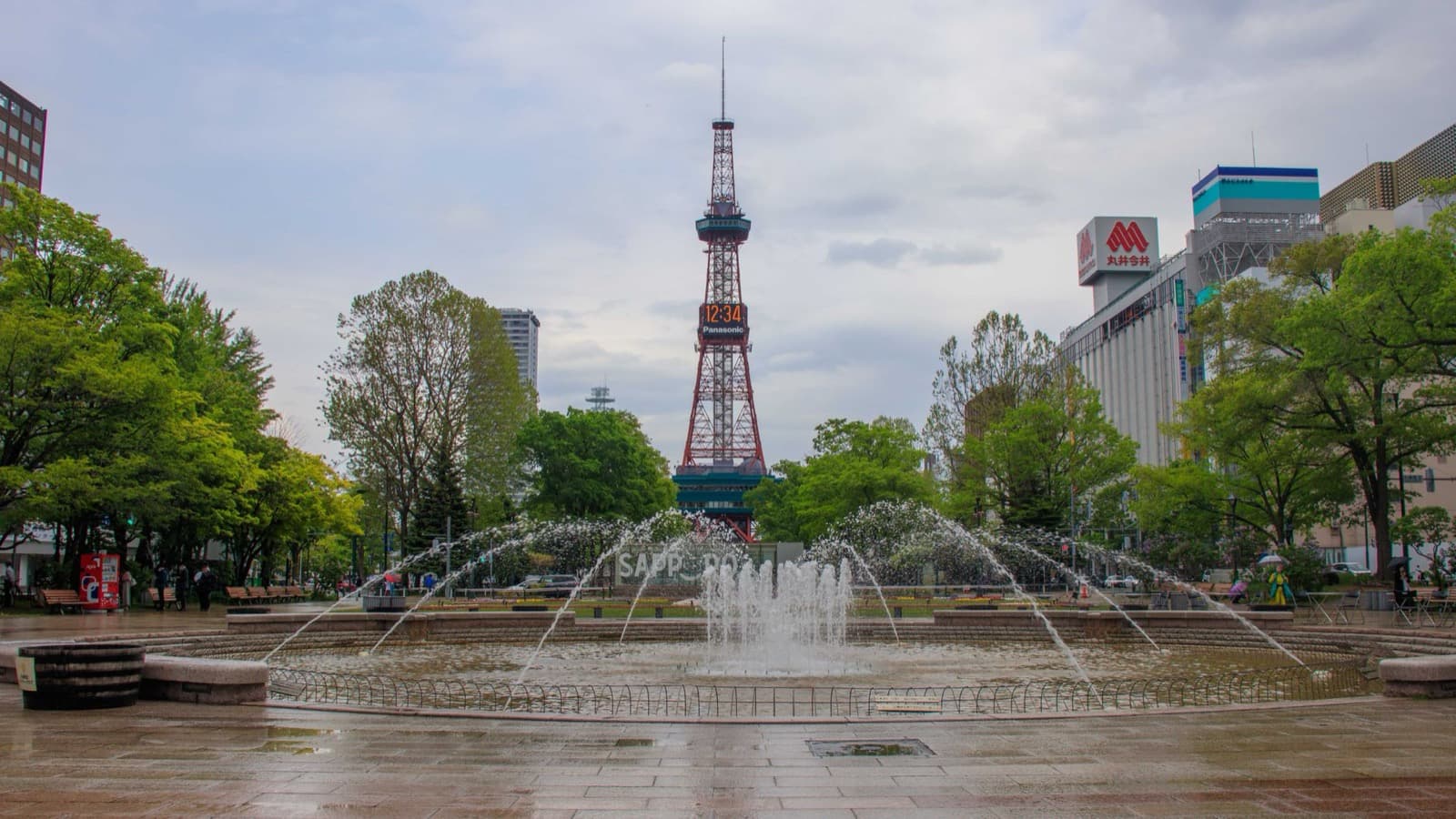
Odori Park is the long green belt slicing downtown east to west, and in October its trees turn in sequence. From the TV Tower observation deck at the park's east end (1,200 yen, raised January 2026, 9:00~22:00), the park's axis of color stretches out below you.
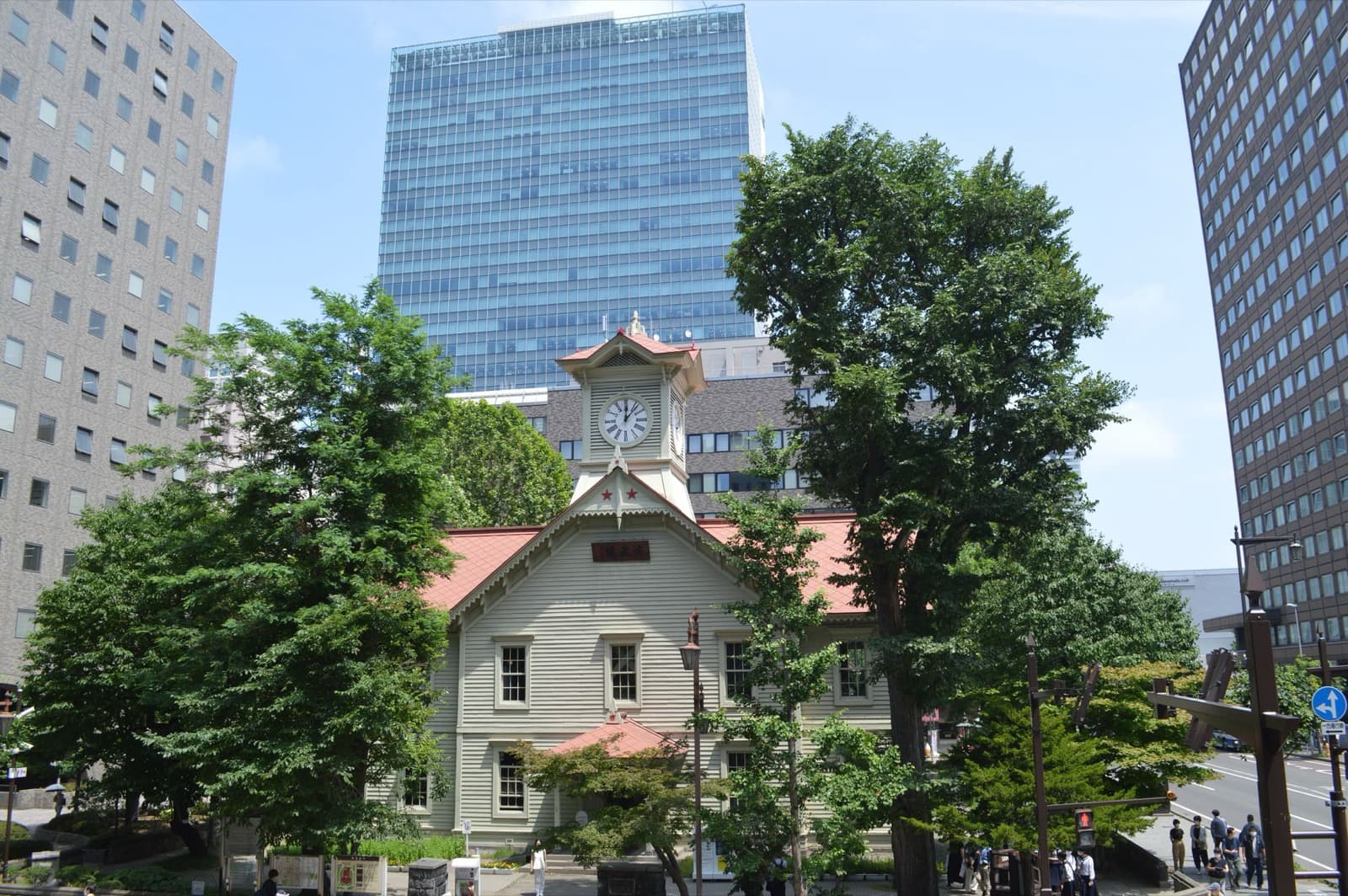
The Sapporo Clock Tower is a wooden building from 1878, five minutes on foot from Odori Park. Seeing the exterior is enough, which makes it easy to fold into the arrival-day stroll.
The Jozankei gorge, the heart of this trip
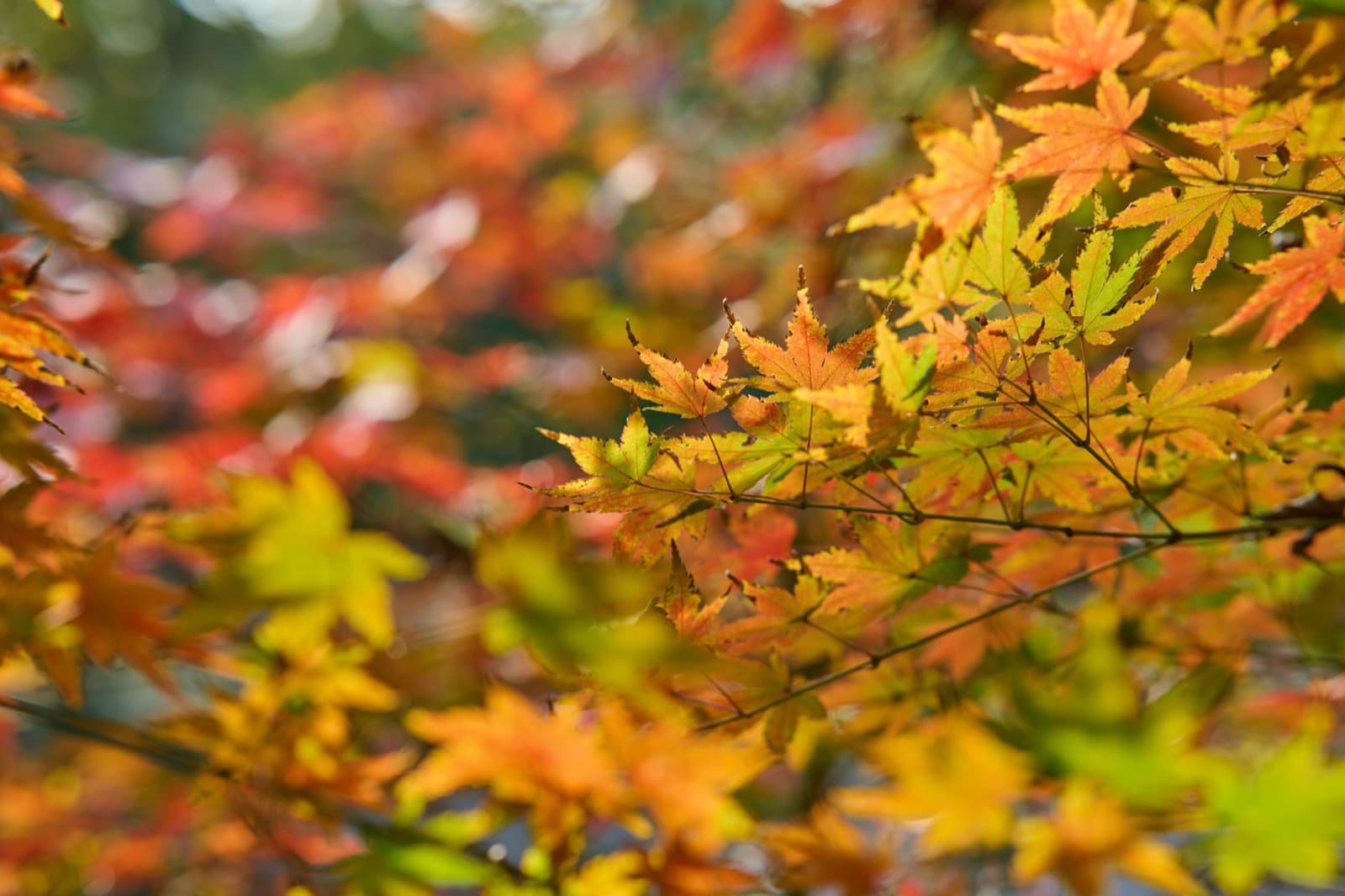
The Futami suspension bridge and gorge walk follows the Toyohira River from the onsen town. The framing of both banks of foliage around the red bridge is the signature view of this walk, and the path to the Kappa-buchi pool is mostly flat. The typical peak is early to mid October, though in some years, like 2024, it slipped to mid-to-late October, so check that year's updates.
Hoheikyo Dam is the climax of Jozankei's foliage, and its peak matches the onsen town at early to mid October. The final stretch is closed to private cars and walkers, so you ride the electric bus from the entrance (1,200 yen round trip in the October peak season, 8:45~16:00, last bus up 15:30). The entrance itself is not walking distance from the onsen town: in foliage season take the Hoheikyo Dam Liner sold same-day, first-come at the Jozankei tourist information center (1,000 yen, running October 3~25 in 2026) or a taxi. The electric bus itself runs through November 3, but once the access bus ends in late October, treat the dam as out of reach without a car or taxi.
An onsen day bath after the gorge walk warms you back up before the return bus; the onsen-town hotels sell day-use bathing. Time it to your Kappa Liner reservation and dinner lands back in the city.
Budgeting the day. Ride in on the 9:35 and out on the last bus in the four-o'clock hour and you have a little over five hours on the ground. That is tight for the gorge walk, Hoheikyo Dam and a bath all three: at peak foliage pick the dam plus a short walk, and on a late-October onsen half day pick the walk plus the bath. Plan lunch as a short half hour at an onsen-town restaurant.
Booking the Kappa Liner. The direct Jozankei bus is all reserved seating: 1,700 yen one way (1,460 yen booked and paid online), bookable from one month out until 5 p.m. the day before, departing Sapporo Station at 9:35, 11:30, 14:00 and 15:00 (checked September 2026). The 9:35 is the one that buys you a full day. Return buses to Sapporo end in the four-o'clock hour (checked September 2026), so you are back downtown before dinner. If you miss the booking window, Jotetsu's regular route buses also reach Jozankei; check times and fares on the official Jotetsu site before relying on them.
The Mt. Moiwa night view, on the evening you return
The Mt. Moiwa Ropeway stacks a ropeway and a mini cable car up to a summit deck with Sapporo's city lights spread below. The round trip is 2,100 yen, and from April to November it runs 10:30~22:00 with the last car up at 21:30. From the streetcar's Ropeway-Iriguchi stop (230 yen a ride) a free shuttle runs every 15 minutes, but on weekdays it only starts in the late afternoon (from the 5 p.m. hour), so for a daytime visit budget the 10-minute uphill walk. To chain the night view after Jozankei, eat an early dinner in the six-o'clock hour and board the streetcar before 20:30; the streetcar, the shuttle transfer and the boarding queue take about 40 minutes to the deck. If you queued at a popular restaurant, push the night view to the next evening.
The Hokkaido University ginkgo avenue, the star of late October
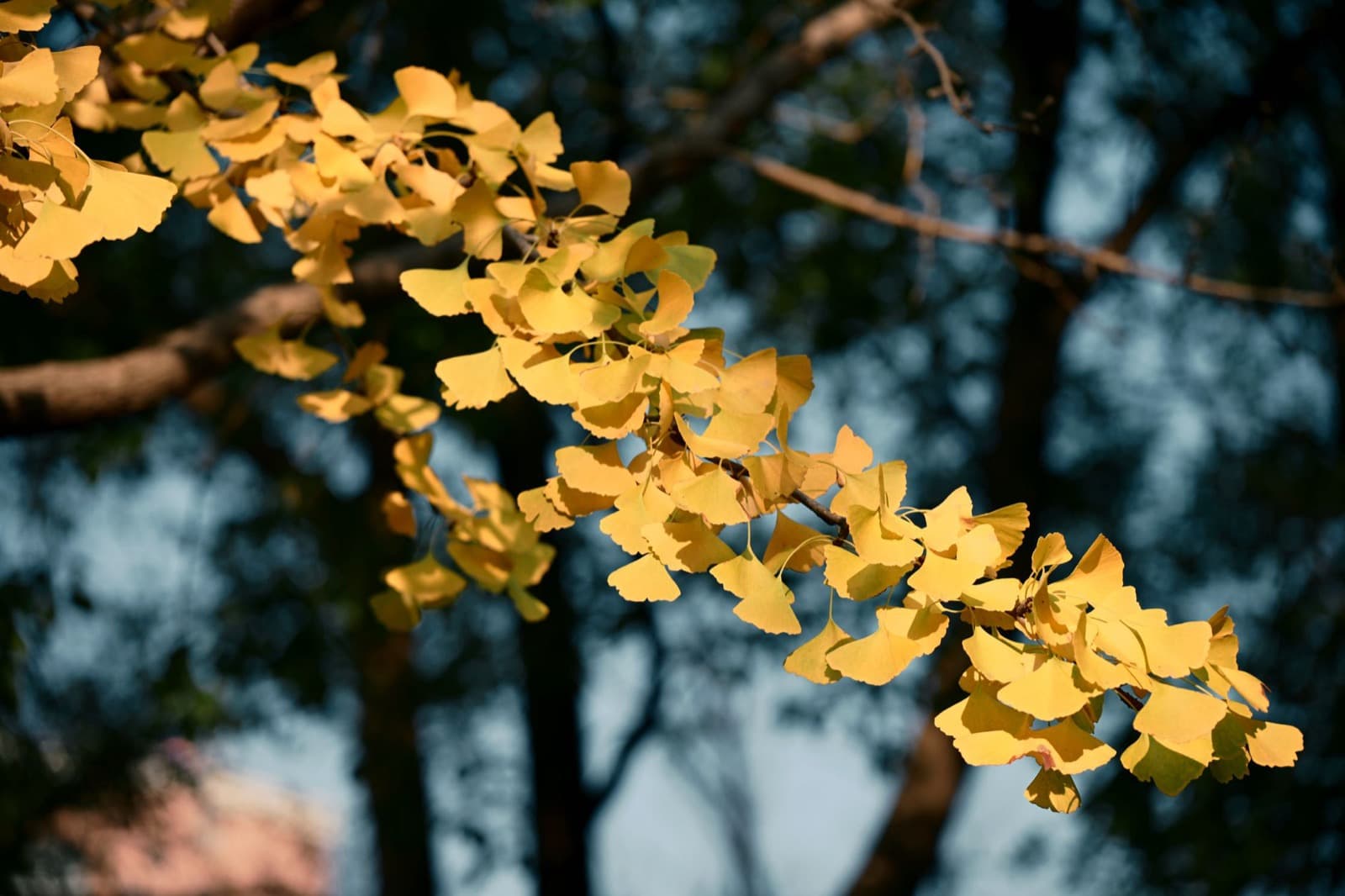
The ginkgo avenue at Hokkaido University lines both sides of the Kita-13-jo road with about 70 ginkgo trees over roughly 380 meters. It becomes a yellow tunnel from late October to early November and is free to visit. It is a 15-minute walk from Sapporo Station, or about 5 minutes from Kita-12-jo Station on the Namboku line, which suits an early-morning stop.
The Beer Museum and beer garden, an afternoon with lunch built in
The Sapporo Beer Museum tells the brewery's history inside a red-brick former brewhouse. From July 1, 2026 admission is paid: self-guided entry 1,000 yen for adults (elementary age and under free), guided tour 2,000 yen; hours 11:00~18:00 (last entry 17:30), closed Mondays. It is about a 10-minute walk from exit 4 of Higashi-Kuyakusho-mae Station on the Toho subway line, so coming from the university you change to the Toho line at Sapporo Station. The adjoining beer garden serves jingisukan, Hokkaido's grilled-lamb dish, which makes a clean lunch stop on this route.
Nakajima Park sits south of downtown on the Namboku line, flat and easy. Maples and ginkgos mix around the pond from mid to late October, and entry is free. In late October the sun sets before 17:00, so aim to arrive in the three-o'clock hour after the museum afternoon.
Susukino and Nijo Market, evenings and the last morning
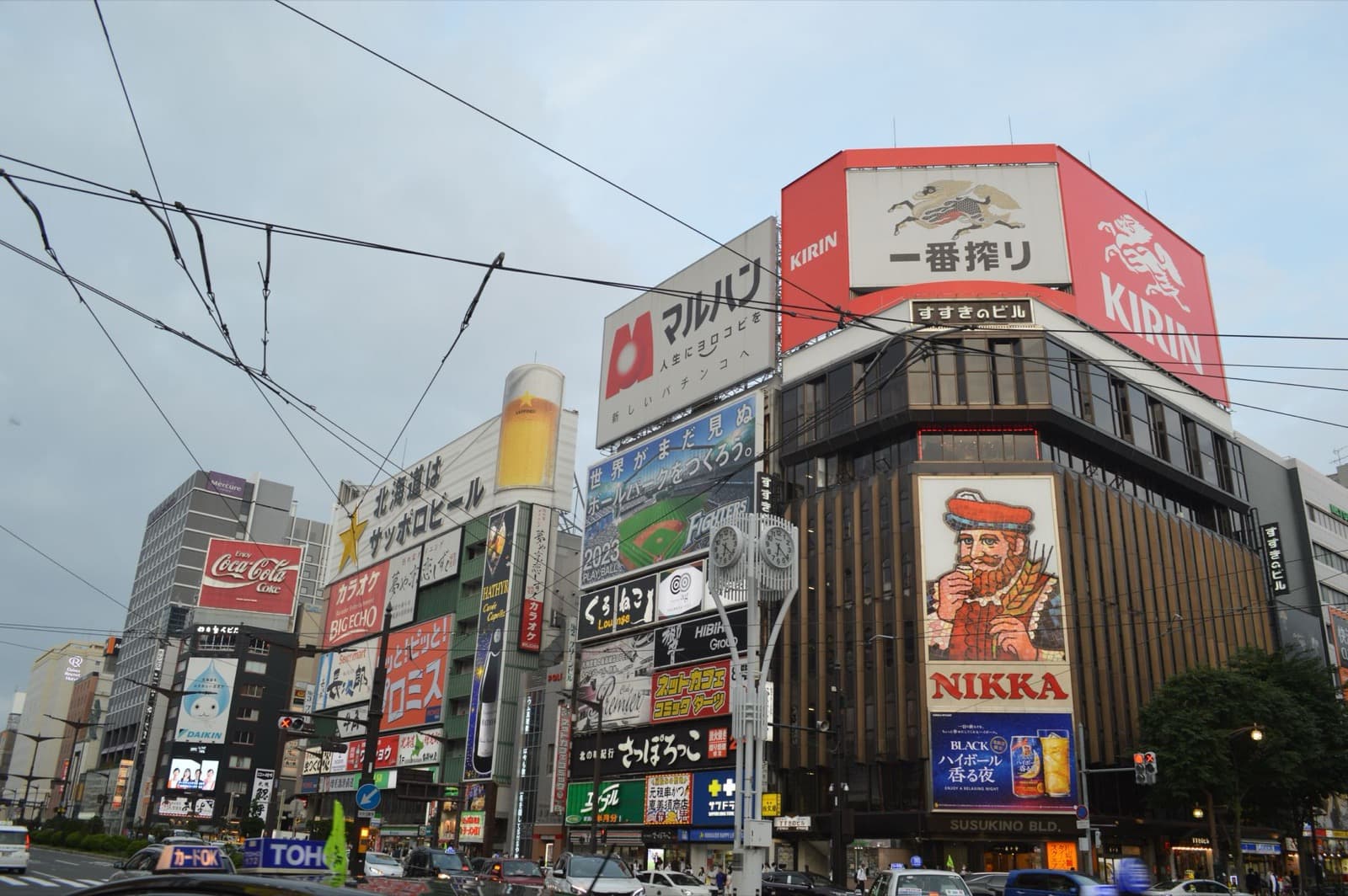
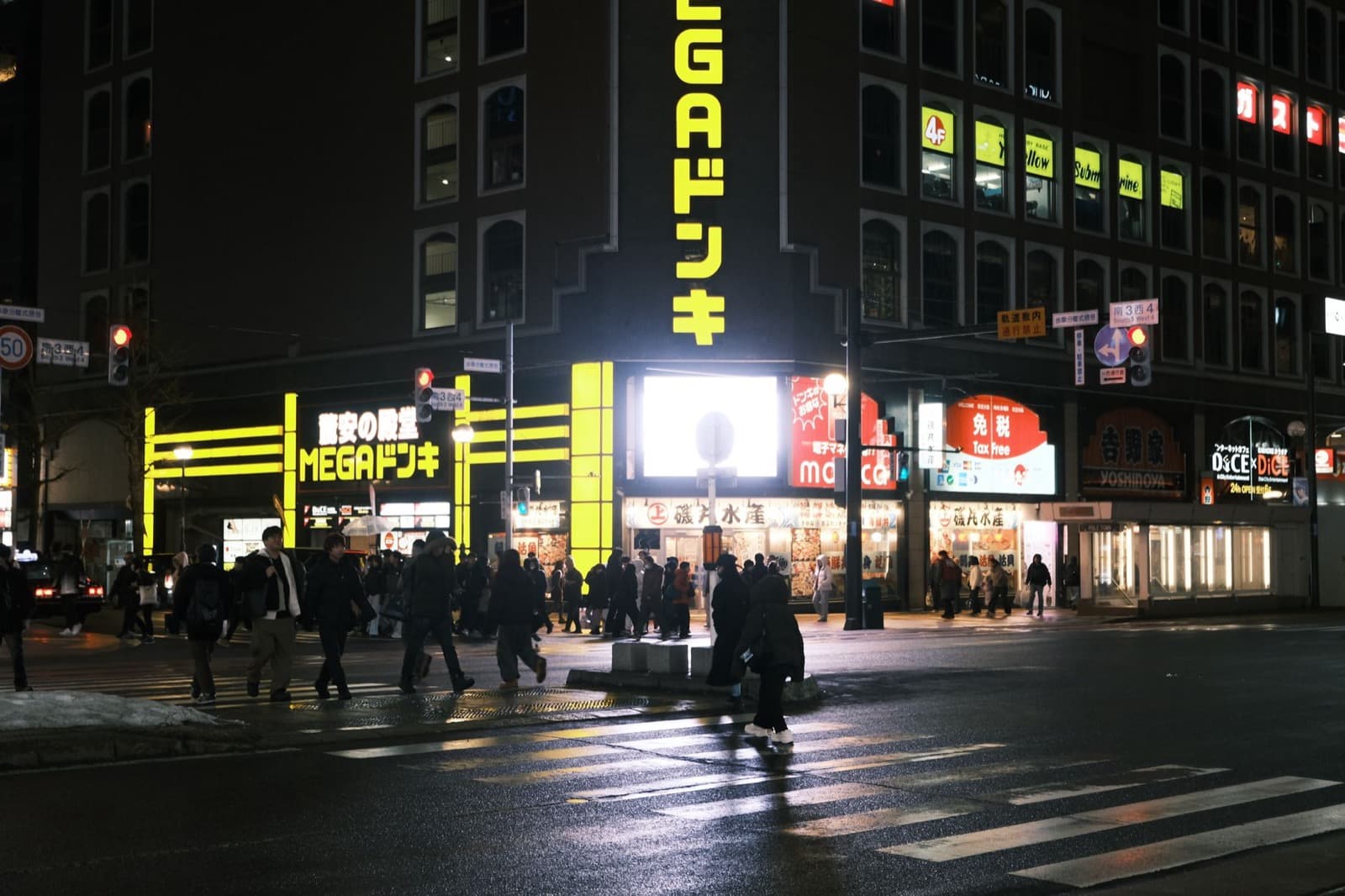
Susukino is Sapporo's night quarter. Ramen Yokocho's miso-ramen alley, crab restaurants and soup-curry shops all sit within walking range, so the three dinners of this trip divide neatly among them.
Nijo Market is a walkable downtown market where stalls open from the morning selling seafood bowls and crab. Combine the last day's breakfast with light shopping, collect your bags and head for the airport, and the final morning is spent well. This morning plan assumes an afternoon flight; with a departure before noon, skip the market and head straight for the airport.
Practical details for the sights
| Sight | Fee (adult) | Hours | Notes |
|---|---|---|---|
| Sapporo TV Tower deck | 1,200 yen | 9:00~22:00 (last entry 21:50) | Raised January 2026 |
| Mt. Moiwa Ropeway | 2,100 yen round trip | Apr~Nov 10:30~22:00 (last car up 21:30) | No daytime weekday shuttle; 10-min walk |
| Hokkaido Univ. ginkgo avenue | Free | Campus open hours | Peak late Oct~early Nov |
| Sapporo Beer Museum | 1,000 yen | 11:00~18:00 (entry by 17:30) | Closed Mondays; paid since July 2026 |
| Hoheikyo Dam electric bus | 1,200 yen round trip (Oct) | 8:45~16:00 (last bus up 15:30) | Season ends Nov 3; Dam Liner (to Oct 25) or taxi to the entrance |
| Okurayama observatory lift | 1,000 yen round trip | Varies on event days | City view from atop the ski jump |
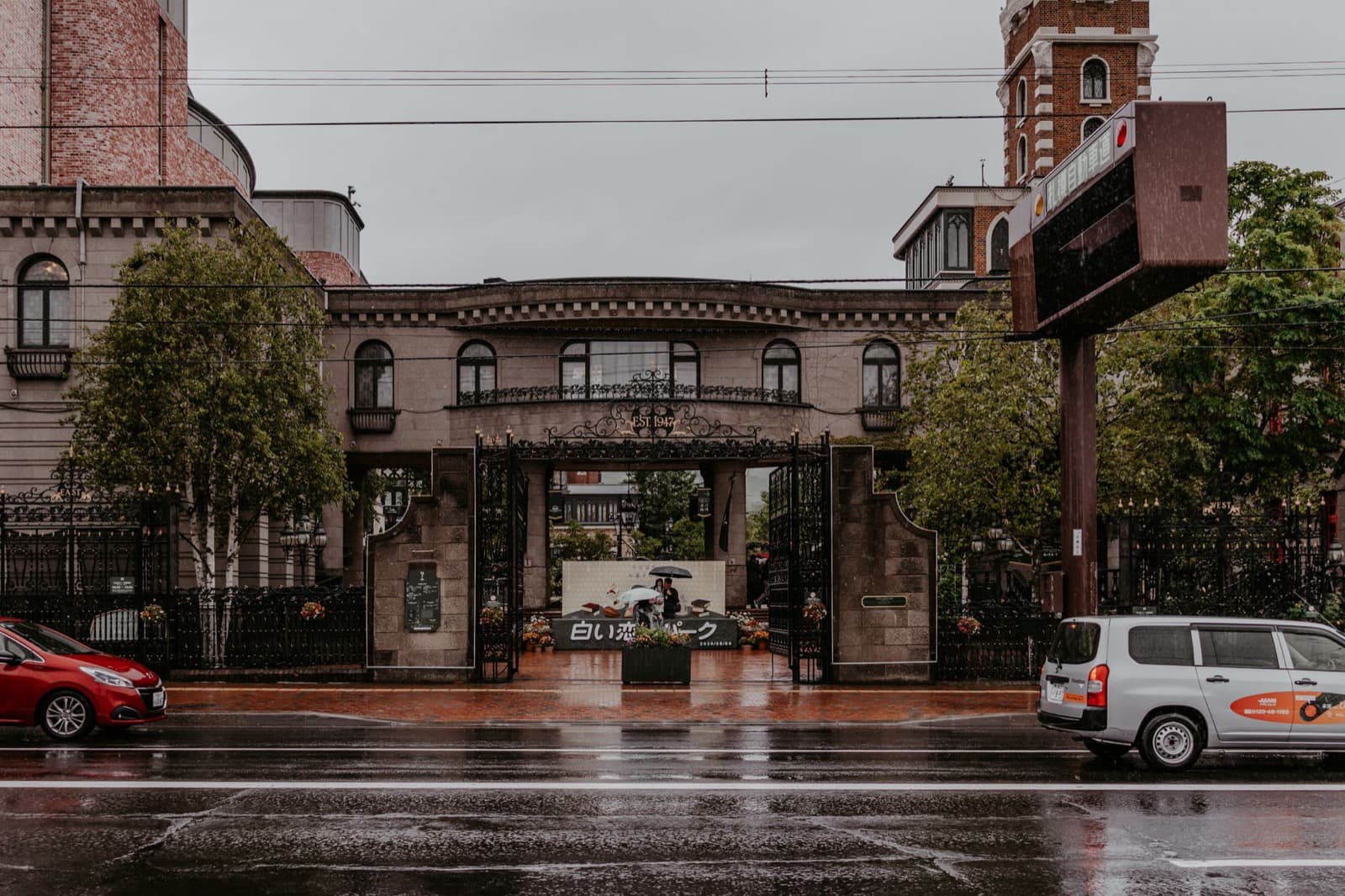
| Shiroi Koibito Park | 1,200 yen | 10:00~17:30 (last entry 16:30) | Mostly indoors; a bad-weather option |
Fees were checked against each facility's official pages in September 2026. Seasonal fares and hours are refreshed yearly, so glance at them again before departure.
Adjust it to your travel party and week
| Concept | Day changed | Take out | Put in | Why |
|---|---|---|---|---|
| Onsen overnight | Day 2~3 | One downtown hotel night, the Moiwa night view | A night in a Jozankei ryokan, an early-morning gorge walk | Fitting the Kappa Liner schedule leaves only half a day in the gorge. The crowd-free morning path and an evening open-air bath belong only to overnight guests |
| With children | Day 3 | The university-to-museum walking course | Shiroi Koibito Park (1,200 yen) plus the Okurayama lift | Brewing-history exhibits give preschoolers no reason to linger. The confectionery factory tour is indoors, absorbing October cold and rain as well |
| With parents | Day 2 | The full gorge-walk loop | Electric-bus round trip plus an onsen day bath, evening left empty | Flat as the path is, the gorge feels colder than downtown in October. Ride up for the view, warm up in the water, and no one is overtaxed |
| Food-first | Day 3 afternoon | Nakajima Park | A Nijo Market circuit plus a second Susukino round | Sapporo's signature four are miso ramen, soup curry, jingisukan and seafood; three dinners cannot cover them. Splitting a daytime market from the evening quarter fits all four in |
A general-season Sapporo itinerary (the kind that folds in a half day at Otaru) is the alternative when foliage is not the goal; this article is built to catch both the gorge and the city in foliage season.
Food: how to divide three dinners
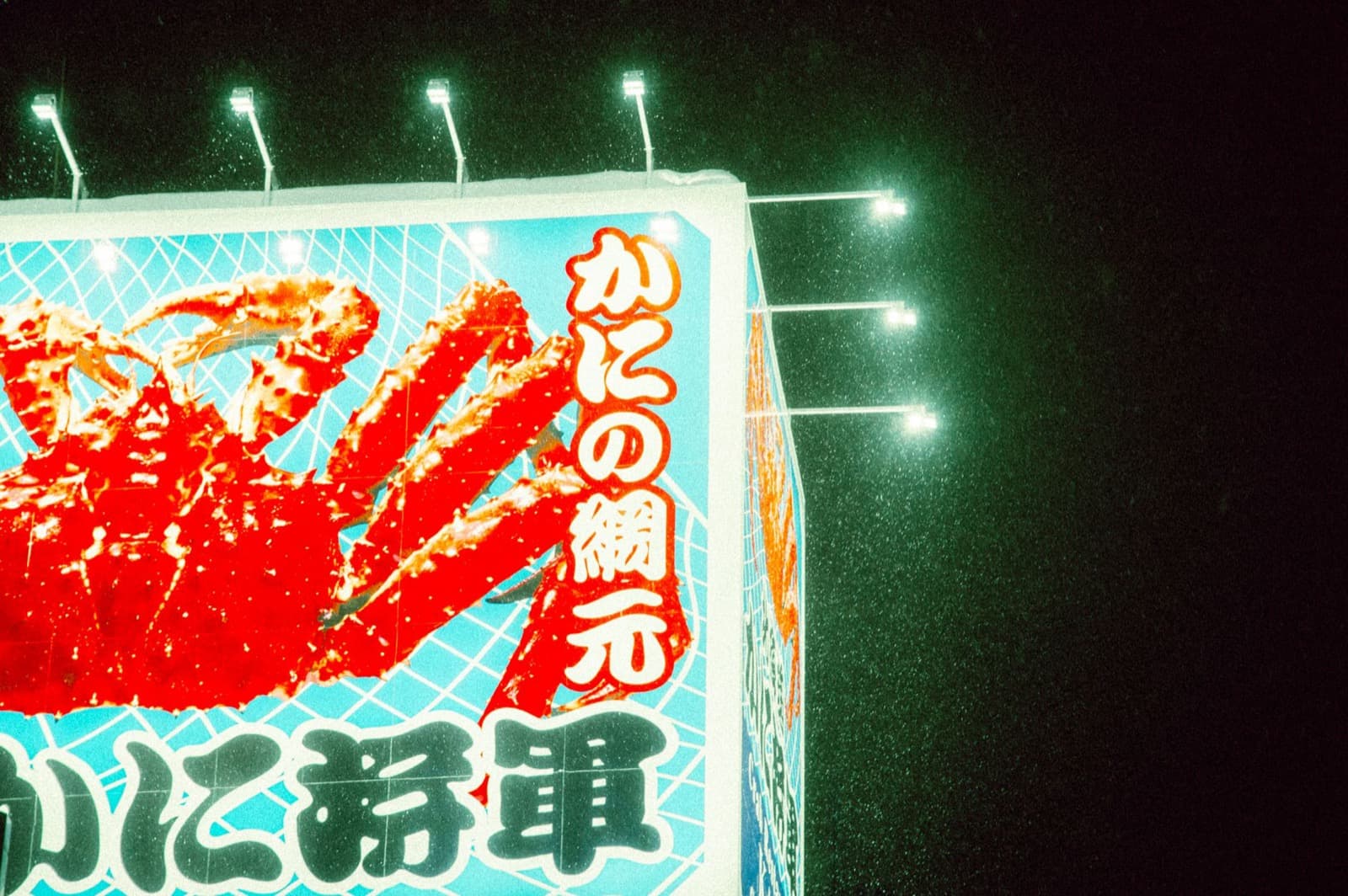
Start the first evening light with miso ramen in Ramen Yokocho. The second day ends after the Jozankei trip, when Susukino's soup curry is the right thing for a chilled body, and since the third day's lunch was jingisukan at the beer garden, closing that evening with crab or seafood keeps the lineup from repeating. Prices vary too widely by restaurant to quote here; by dish, ramen sits cheapest, and a crab course pushes one meal into the ten-thousand-yen range, in which case read the comfortable column of the budget table below.
The budget, per person for 3 nights, 4 days
Based on two sharing a room, departing Incheon, converted at 100 yen to 870 KRW (September 2026). These are planning allocations, not live quotes.
| Item | Budget | Standard | Comfortable |
|---|---|---|---|
| Flights, round trip | 250K | 350K | 450K |
| Hotels, 3 nights, per person | 180K | 300K | 450K |
| Food, 4 days | 140K | 200K | 260K |
| Transport, admissions, onsen | 90K | 140K | 160K |
| Total (KRW) | ≈660K | ≈990K | ≈1.32M |
Here is what that cell actually contains: the JR airport round trip at 2,460 yen, around 1,500 yen of subway over two days, the Kappa Liner round trip at 2,920 yen (all seats are reserved, so the online-booking price applies), the Dam Liner at 1,000 yen, the electric bus at 1,200 yen, the streetcar round trip at 460 yen, Mt. Moiwa at 2,100 yen, the TV Tower at 1,200 yen and the Beer Museum at 1,000 yen, plus an onsen day bath (1,000~2,000 yen by facility), totalling around 15,000 yen, or about 130,000 KRW. If a late-October departure drops Hoheikyo Dam, the 2,200 yen for the Dam Liner and the electric bus falls out. The budget tier folds by skipping either Mt. Moiwa or the TV Tower and picking a cheaper bath. Hotels decide the overall bill as in any city, but October in Sapporo does not spike the way the snow-festival season does.
Season and weather
Hokkaido's foliage starts high, on ranges like Daisetsuzan, and works its way down to the cities; Sapporo's turn comes in October. By Japan Meteorological Agency normals, October in Sapporo averages 12.1°C with daytime highs of 16.4°C and morning lows of 8.0°C. The gap between early and late month is wide: by late October mornings sink into low single digits, and November brings the city's first snow reports. A light padded jacket with thin layers underneath, plus a windbreaker for the gorge and the summit deck, covers it. Foliage pace differs by year, so check the Jozankei tourist association and Sapporo tourism foliage updates one or two weeks before departure and place Day 2 and Day 3 by the swap rule above.
Above all else
- The Kappa Liner closes bookings at 5 p.m. the day before. It is reservation-only; you cannot buy on the day. Design the day around the 9:35 departure.
- Hoheikyo Dam takes two transfers. Dam Liner (same-day, first-come; through Oct 25 in 2026) or taxi from the onsen town to the entrance, then the electric bus (last ride up 15:30, season through November 3). Visiting in the afternoon, count backwards from the last bus.
- The Beer Museum is now paid (1,000 yen) and closed Mondays. Anything calling it free is pre-July 2026 information.
- Tap a contactless card on the subway. The daily cap (830 yen weekdays, 520 yen weekends) applies automatically, so a day pass is unnecessary.
- The free Moiwa shuttle does not run on weekday daytimes. Visiting by day, budget the 10-minute walk from the streetcar stop.
In short
Half of a Sapporo foliage trip is timing. Jozankei (early to mid October) and the downtown ginkgo (late October to early November) sit about two weeks apart, so set the order of your gorge day and city day by your departure week.
- Jozankei by the reservation-only Kappa Liner, about 70 minutes, 1,700 yen one way, bookings close 5 p.m. the day before
- Hoheikyo Dam electric bus 1,200 yen round trip (October), season through November 3; entrance access by Dam Liner until October 25
- Airport link by JR Rapid Airport, 1,230 yen, 33~37 minutes at fastest
- The subway's contactless fare cap (from March 2026) replaces the day pass with one card
- Per person 660,000 to 1,320,000 KRW including flights, hotels being the swing factor
Plan this trip with Tripop
This is an itinerary with many clock times to hold: the bus reservation, the last electric bus, the museum's closing day. Type "Sapporo autumn 3 nights 4 days" into the Tripop app and a day-by-day frame appears; upload the Kappa Liner confirmation and flight PDFs and they sort into vouchers. Yen spending lands in one shared ledger with your travel companions.
- Get it on the App Store
- Get it on Google Play
- Start on the web, no install needed
What we verified
The fares and times in this guide were checked one by one by the Tripop travel desk on 19 September 2026 against the official pages of JR Hokkaido, the Sapporo City Transportation Bureau, Jotetsu Bus, the Hoheikyo electric bus, the Mt. Moiwa Ropeway and each facility. Entry rules carry the values we confirmed against the foreign ministry guidance on 13 September. Foliage timing follows typical-year patterns and shifts with the weather, so before departure check the foliage updates of the Jozankei tourist association and the Sapporo tourism site, and the Visit Japan Web guidance. If a number here differs from what you find on the ground, tell us and we will fix it promptly.
Images: Pexels (Marek Piwnicki: Mt. Asahidake, 貴彦 佐藤: Odori Park, SHIMADA MASAKI: Clock Tower and Susukino intersection, 开心: maple leaves, Yifan Lai: ginkgo leaves, Dương Nhân: Kani Shogun signboard, nana liu: Susukino at night), Pexels License.