
This is the English edition of a guide planned around departures from Incheon, Korea, with costs shown in KRW. Most Tokyo guides squeeze one museum between Shibuya, Asakusa and Disney. This one is built the other way around: for travelers whose main purpose is museums, three full days go to Takebashi (National Museum of Modern Art), Roppongi (National Art Center) and Ryogoku (Sumida Hokusai Museum and the Edo-Tokyo Museum), one day each. What sets the order is not taste but closing days: three of these museums close on Mondays and one on Tuesdays, and fitting them to your week is half of this guide. 2026 also moved many numbers: JR fares and subway passes rose in March, and the subway now takes contactless credit cards while JR still does not. If this is your first Tokyo and you want the observation decks and Asakusa too, use the standard Tokyo 5-day itinerary instead.
What the days are for
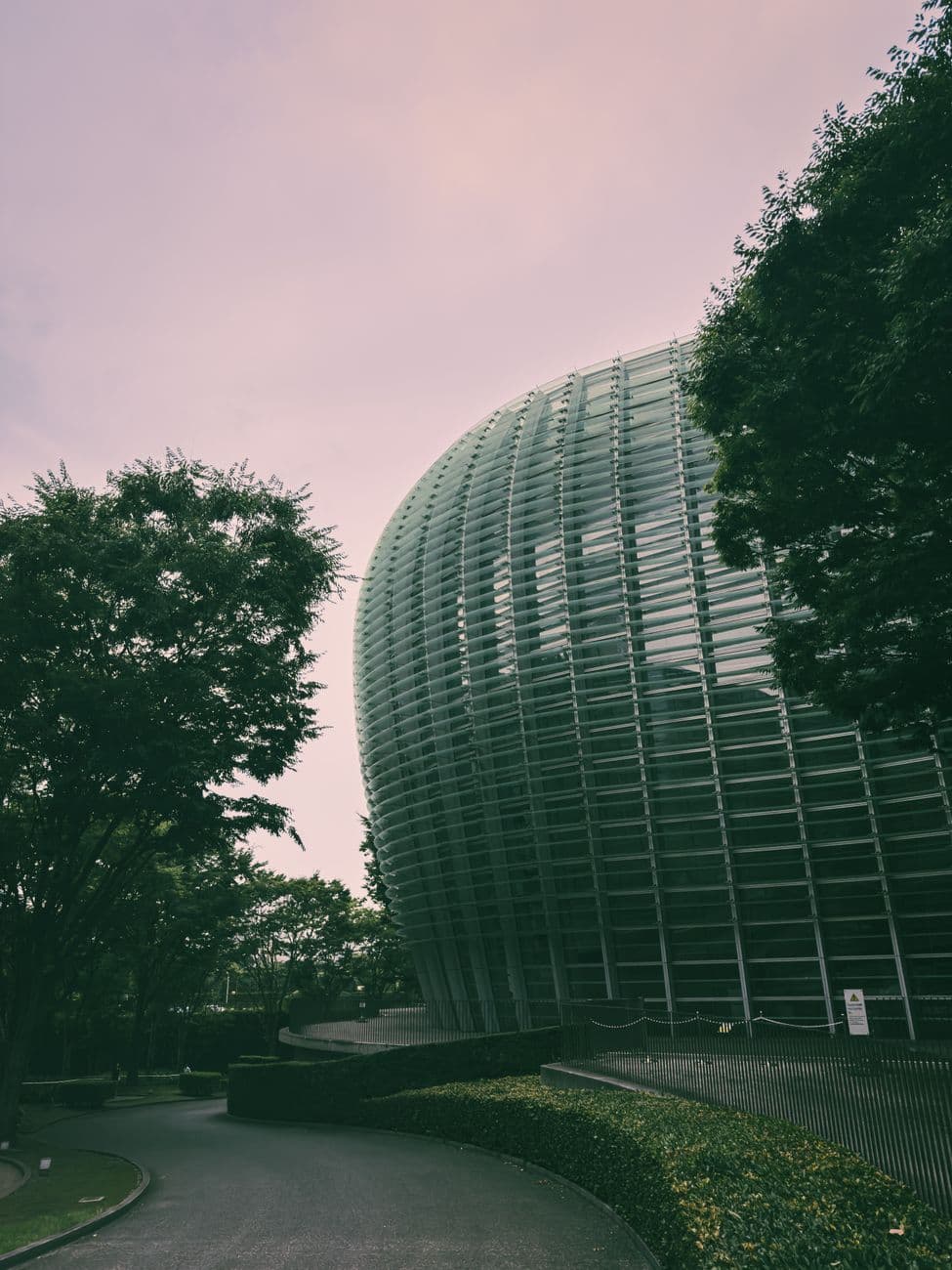
The allocation comes first. Two travel days (arrival and departure), and three full days, one district each: Takebashi (modern art), Roppongi (special exhibitions), Ryogoku (ukiyo-e and the city's history). The hotel is one place within walking distance of Tokyo Station/Otemachi for all four nights; no luggage moves mid-trip.
| Day | Course | Transport and notes |
|---|---|---|
| Day 1 | Airport → hotel check-in → Marunouchi walk | Narita: N'EX, 53 min at the fastest, 3,140 yen. Haneda: one train transfer, about 30~40 min, IC 530~720 yen (as of 2026-10). Dinner and reservation checks only |
| Day 2 | Takebashi: National Museum of Modern Art → Kitanomaru and Kokyo Gaien → Jimbocho | One subway stop from Otemachi, or a walk. Closed Mondays |
| Day 3 | Roppongi: National Art Center (1~2 exhibitions) → Tokyo Midtown | Chiyoda line direct from Otemachi, 11 min; Nogizaka station exit 6 connects to the museum. Closed Tuesdays |
| Day 4 | Ryogoku: Sumida Hokusai Museum → Edo-Tokyo Museum → chanko-nabe | JR from Tokyo Station, 13~15 min. Closed Mondays |
| Day 5 | Check-out → airport | Work backward from reaching the airport 3 hours before an international departure |
The weekday sets the route. The National Museum of Modern Art (MOMAT), the Sumida Hokusai Museum and the Edo-Tokyo Museum close on Mondays; the National Art Center closes on Tuesdays. All four use the same rule: a closing day that falls on a public holiday stays open, and the next weekday (the next day, for the Edo-Tokyo Museum) closes instead. So the fitting is simple: a Monday in your stay goes to Roppongi, a Tuesday to Takebashi or Ryogoku. With the default Thursday arrival, Friday is Takebashi (late opening on Fridays), Saturday is Roppongi (late opening on Saturdays), Sunday is Ryogoku and Monday is the flight home, touching no regular closing day (year-end and changeover closures are separate, below). One exception matters: the Tuesday after a holiday Monday closes all four at once. November 24, 2026 is such a day; all four open on the 23rd (Labor Thanksgiving Day) and the substitute closures pile onto the 24th. A holiday Tuesday works the same way: in the week of November 3 (Culture Day), the National Art Center closes on Wednesday November 4. Year-end dates sit outside the weekday rule too: the National Art Center closes December 28 to January 5, the Hokusai museum December 29 to January 3, MOMAT December 28 to January 1 (the Edo-Tokyo Museum's year-end dates go by its official calendar), and MOMAT closes outright from January 12 to February 8, 2027 for exhibition changeover after the Yumeji show ends.
Before departure: entry, data, payment
| Item | Details |
|---|---|
| Visa | Korean passports: visa-free 90 days for tourism (Japan MOFA visa-exemption list) |
| Entry procedure | Register immigration and customs information in Visit Japan Web before departure. Narita and Haneda are both among the seven airports with customs e-declaration gates: scan the VJW 2D code and passport at the terminal and skip the paper form |
| Data | eSIM or roaming; a city-center itinerary rarely strains coverage |
| Payment (subway) | From 2026-03-25, contactless credit-card tap-to-ride works on Tokyo Metro and Toei subway (eleven Kanto operators, a few stations managed by other companies excluded). Suica and PASMO work as before |
| Payment (JR) | JR East does not accept contactless entry. The Yamanote and Sobu lines take Suica or a paper ticket; the N'EX needs a reserved-seat express ticket on top of the fare. Short-term visitors: Welcome Suica at the airport (no deposit, 28 days from purchase, in principle one per person; balances not refundable) or Mobile Suica on iPhone |
| Exchange feel | 100 yen ≈ 845 KRW (derived from ECB reference rates, 2026-10, planning assumption) |
Entry comes down to four rules. First, finish Visit Japan Web before departure (it is the Digital Agency's official web service registering immigration, customs and tax-free information). Second, generate the VJW 2D code with the customs declaration before you fly, and save a screenshot (preparation for slow airport networks). Third, failing to register VJW does not strand you: customs declaration is mandatory for everyone, and the paper form (C-5360, Korean and English versions exist) still works. Immigration inspection is a separate procedure from customs; follow the on-site guidance. Fourth, if you carry more than the duty-free allowance you are directed to the staffed counter, not the e-gate.
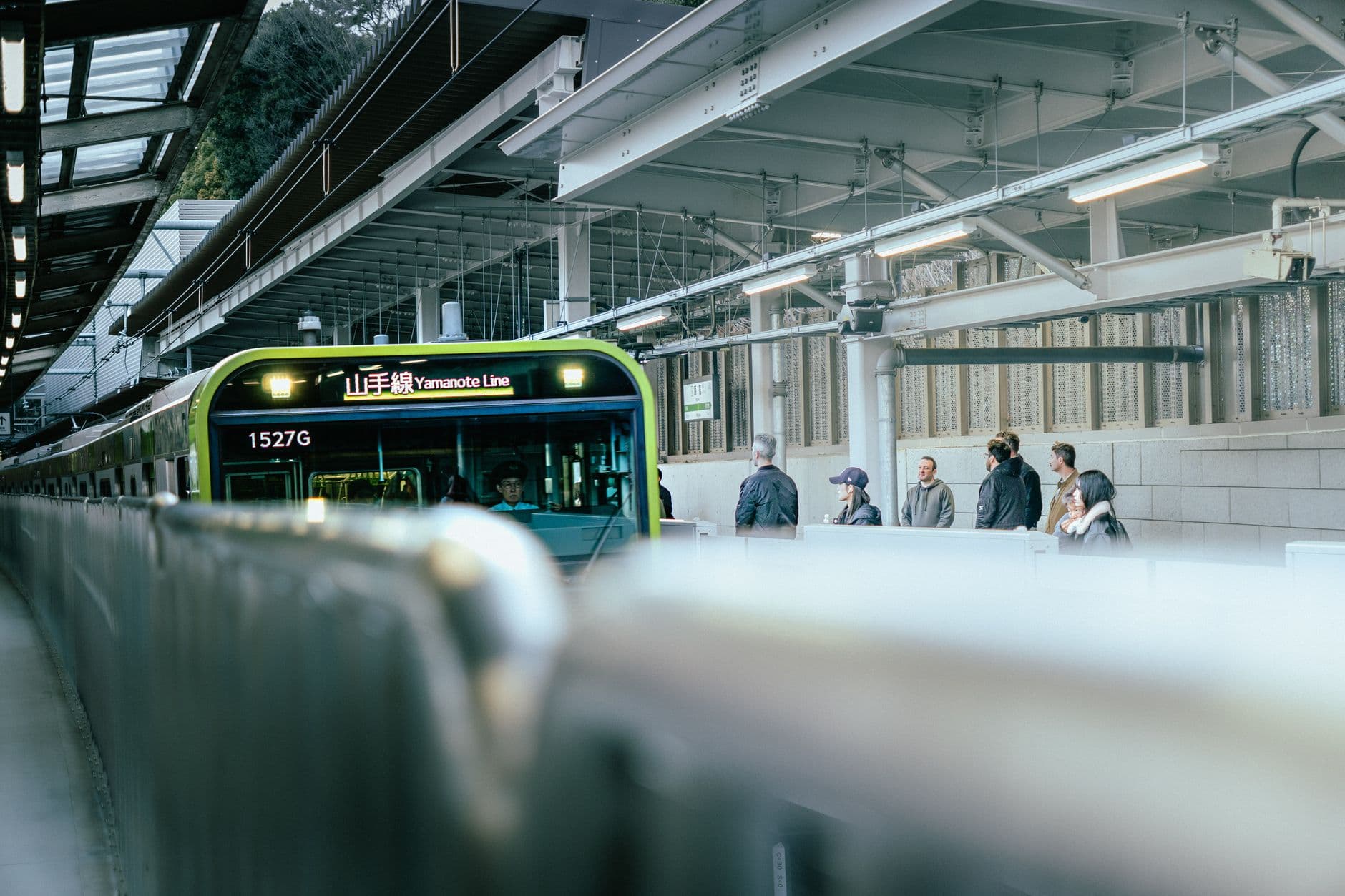
JR legs (N'EX, Yamanote line, Sobu line) do not take contactless credit cards at the gate. Suica is the default.
Airport ↔ hotel: base at Tokyo Station/Otemachi
The base of this itinerary is the walkable zone around Tokyo Station and Otemachi. From Narita the N'EX runs into Tokyo Station without a transfer, and all three museum districts are one subway or JR ride away: Takebashi is one Tozai-line stop (or a 20-minute walk), Nogizaka is a direct Chiyoda-line ride, Ryogoku is one JR transfer. The boarding stations differ: the Tozai and Chiyoda lines leave from Otemachi, not Tokyo Station, while JR leaves from Tokyo Station; from a hotel on the Tokyo Station side, add a few minutes of underground walking to the Otemachi platforms. Fares in this article are 10-yen paper-ticket figures; IC runs a few yen lower (only the Haneda legs are quoted in IC).
| Base area | Getting in (airport → hotel) | Getting out (hotel → airport) · museum access |
|---|---|---|
| Tokyo Station/Otemachi | Narita: N'EX direct, 53 min at the fastest, 3,140 yen one way. Haneda: Keikyu + JR via Shinagawa, or monorail + JR via Hamamatsucho, 30~40 min, IC 530~720 yen (route-search fares, 2026-10) | Same legs in reverse (book the N'EX seat ahead; see the backward planning below). Takebashi, Tozai line one stop, 180 yen · Nogizaka, Chiyoda line direct 11 min, 180 yen (both board at Otemachi) · Ryogoku by JR 13~15 min, 200 yen (from Tokyo Station; paper-ticket fares, as of 2026-10) |
| Jimbocho/Kudanshita | No airport through-service; ride to Tokyo Station/Otemachi then 1~2 subway stops | About 15 minutes on foot to MOMAT (from Jimbocho exit A1, per the museum's access page). The used-book district and curry alleys become your neighborhood. On departure day, add 1~2 subway stops (180 yen) or a 15~20 minute walk to Tokyo Station/Otemachi when working backward: about 1 h 20 min+ and 3,140~3,320 yen in total via Narita, about 45~60 min and 530~900 yen via Haneda (530~720 yen if you walk the city leg; as of 2026-10) |
| Ryogoku | Narita: N'EX to Tokyo Station, then the JR Sobu line (transfer at Akihabara or Ochanomizu). Haneda: Keikyu/Asakusa-line services with a transfer | Hokusai museum and Edo-Tokyo Museum on foot; hotel rates run gentler than the center. On departure day toward Narita, ride the Sobu line (transfer at Akihabara or Ochanomizu, 13~15 min, 200 yen) to Tokyo Station for the N'EX, about 1 h 20 min+ and 3,340 yen in total; toward Haneda, reverse the Keikyu/Asakusa-line route and check times and fares in a route search. Takebashi and Roppongi become 30-minute rides each day |
How to ride: the N'EX runs all-reserved: you buy a reserved-seat express ticket on top of the base fare, and Suica balance alone does not board it (an unassigned-seat ticket at the same price lets you take any empty seat). Booking the return leg ahead keeps the last day calm. The N'EX platforms at Tokyo Station are deep underground; allow close to 10 minutes from the gates to the platform. Subway gates increasingly take both IC and contactless, but JR gates have no contactless readers; making a Suica at the airport removes the guesswork.
Work backward from the seat time on the way out. Reaching the airport 3 hours before an international departure is the baseline. Via Narita, first pick the N'EX train that lands you there on that line (53 minutes is the fastest run; most trains take longer), then add 10 minutes to the deep underground platform and the walk and wait from your hotel: leaving the hotel 4.5 to 5 hours before the flight is the realistic range. Via Haneda, the 30~40-minute leg plus 10~20 minutes of walking and waiting means leaving 3 hours 40 minutes to 4 hours before; for an early-morning flight, check the first-train times on the official timetable the night before.
Do the math before buying a subway pass. The visitor-only Tokyo Subway Ticket costs 1,000 yen for 24 hours, 1,500 for 48 and 2,000 for 72 since March 14, 2026 (the old 800/1,200/1,500 figures are outdated). A normal day here uses two subway rides totaling 360~400 yen, so the pass loses. Buy it only for an irregular day crossing three or more districts where the 24-hour fare sum clears 1,000 yen. JR legs (Ryogoku) are not covered by it.
Districts and how long they take
| District | Anchors | Transport (from a Tokyo Station/Otemachi base) | Time to budget |
|---|---|---|---|
| Takebashi/Kitanomaru | National Museum of Modern Art, Kokyo Gaien, Jimbocho book district | Tozai line one stop from Otemachi, 180 yen, or walk about 20 min | A full day (2~3 h of galleries + walk and lunch) |
| Roppongi | National Art Center, Tokyo Midtown | Chiyoda line direct from Otemachi, 11 min, 180 yen | A full day (about 1~1.5 h per exhibition) |
| Ryogoku | Sumida Hokusai Museum, Edo-Tokyo Museum | JR from Tokyo Station with one transfer, 13~15 min, 200 yen | A full day (two facilities + chanko lunch) |
| Marunouchi/Jimbocho | Tokyo Station building, Gyoko-dori, bookshops | On foot | Arrival evening + spare hours |
Day 1 Arrival: Marunouchi and a reservation check
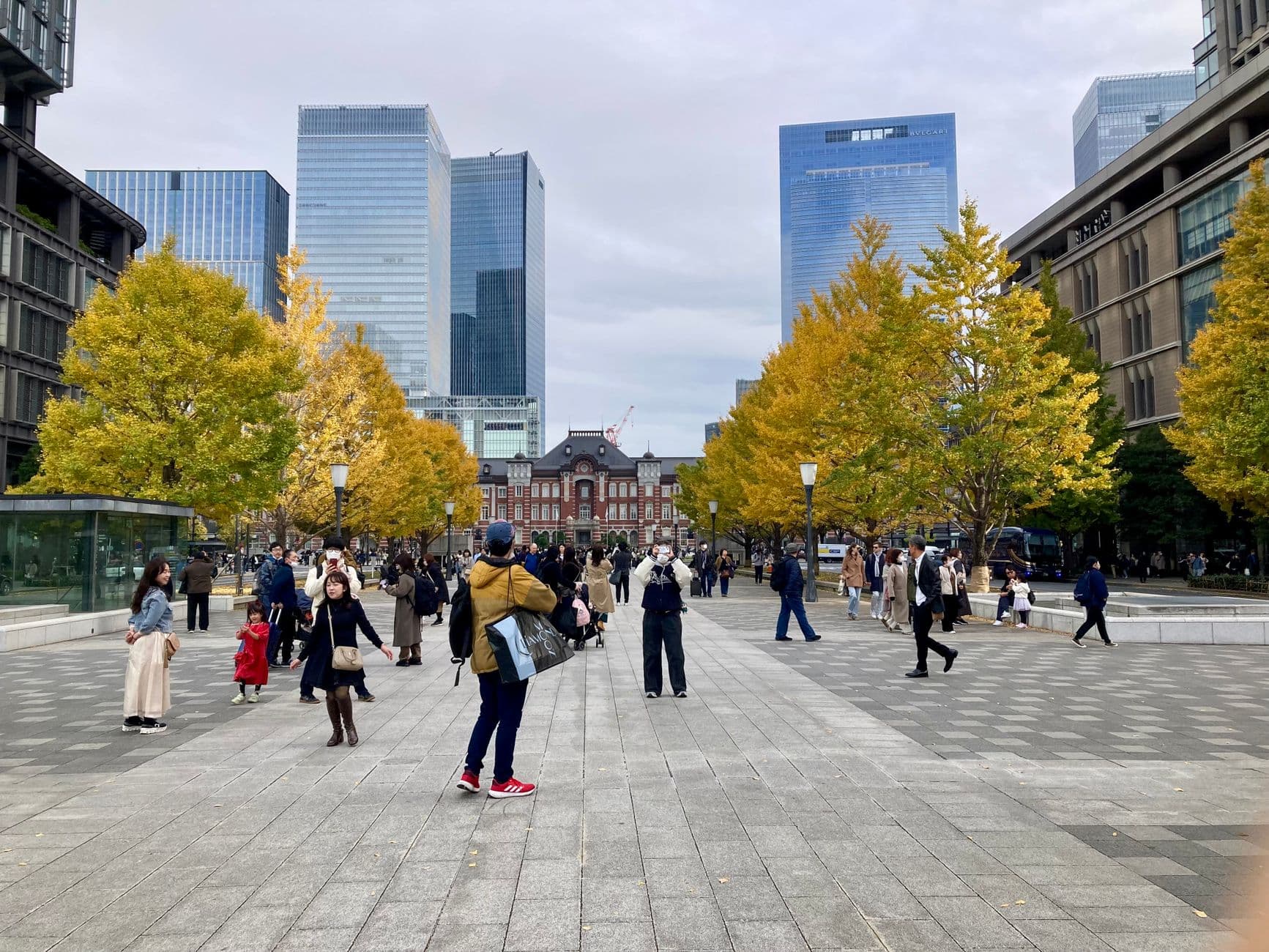
Arrival day stays modest: into the hotel, dinner within walking range of Tokyo Station. From mid-November to early December the ginkgo trees along Gyoko-dori on the Marunouchi side turn yellow, and a post-check-in walk fills the evening on its own.
One task belongs to this evening: re-checking tickets and dates. The Louvre exhibition switches to date-and-time tickets from December 7 (earlier tickets work only through December 6), and a holiday Monday inside your stay turns the following Tuesday into an everything-closed day. Museum trips collapse not from getting lost but from miscounting closing days.
Day 2 Takebashi: MOMAT and the palace side
National Museum of Modern Art (MOMAT)
About 3 minutes on foot from exit 1b of Takebashi station on the Tozai line (to avoid stairs, use exit 2 or the elevator-equipped Kudanshita exit 6 / Jimbocho exit A2 routes, per the museum's access page). This is the national museum of modern Japanese art and the first full-day stop of this guide. Hours are 10:00~17:00, until 20:00 on Fridays and Saturdays (entry closes 30 minutes before), closed Mondays (open on a holiday Monday, closing the next weekday) and over the New Year, December 28 to January 1.
A late-2026 visit lines up well. The special exhibition on Takehisa Yumeji (2026-10-23 to 2027-01-11) costs 2,100 yen same-day, and that one ticket also covers the MOMAT Collection galleries on floors 4~2 and the small gallery-4 show (Japanese artists in Paris) on the same day. The collection alone costs 500 yen, or 300 yen after 17:00 (for the Friday/Saturday evenings). That collection fee rises to 1,000 yen from February 9, 2027, right after the museum's full closure from January 12 to February 8 for changeover, so a January or February trip needs a date check first. On November 3 (Culture Day) the collection galleries are free.
Kitanomaru and Kokyo Gaien
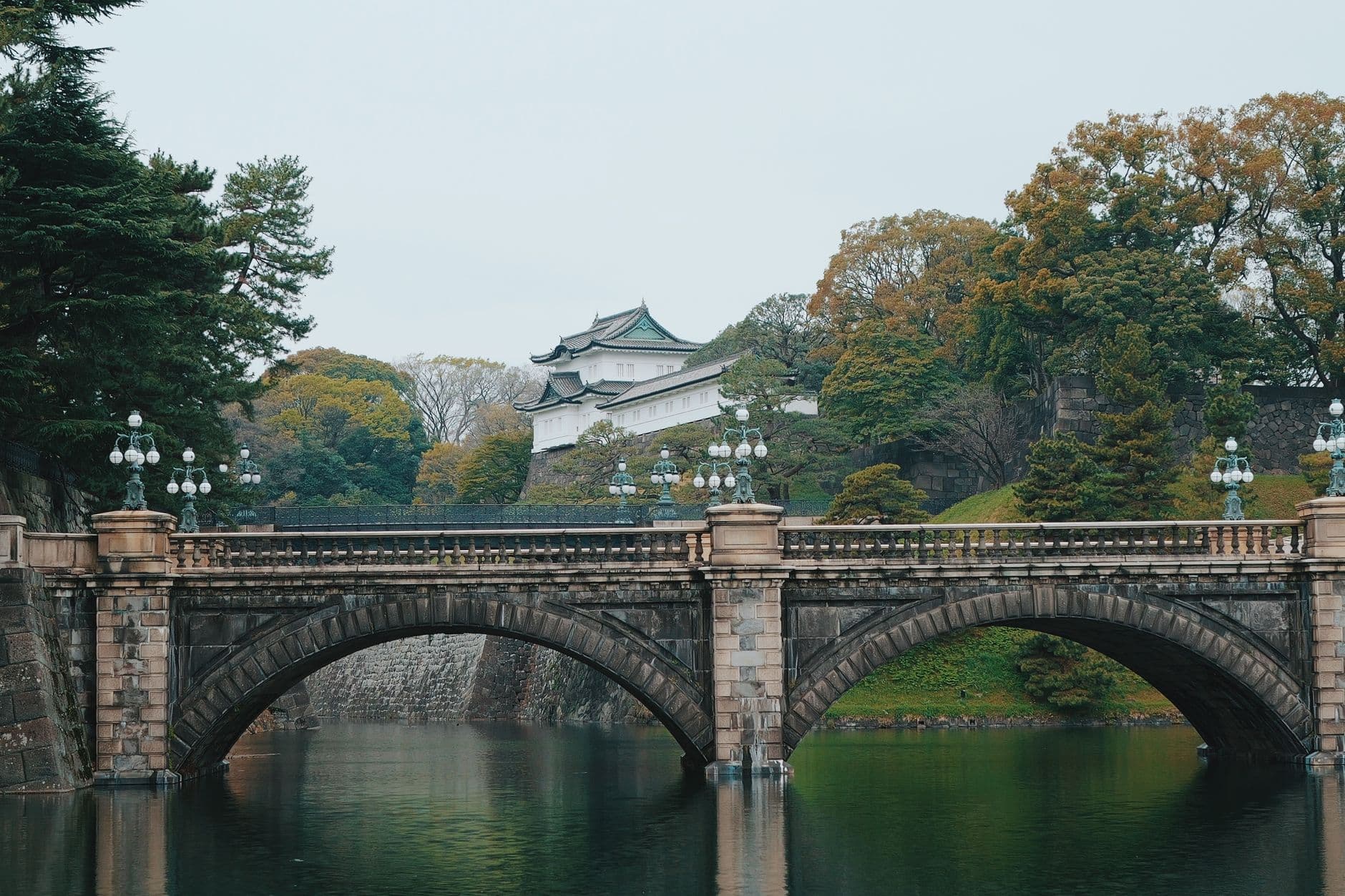
The museum sits beside the moat of the Imperial Palace (the former Edo Castle), so a walk attaches itself to the museum day. North past Kitanomaru Park is the Budokan; south along the moat is the Kokyo Gaien plaza with the Main Gate stone bridge (commonly called Nijubashi) and the Fushimi-yagura keep. All of it is free and mostly flat, the right cool-down for gallery legs. In late autumn the moat-side foliage joins in.
Jimbocho: books and curry
Lunch and the afternoon move 15 minutes on foot to Jimbocho, a district packed with used bookstores; digging for exhibition catalogs and art posters pairs naturally with a museum trip. The neighborhood lunch is curry: European-style curry houses like Bondy on the 2nd floor of the Kanda Book Center dot the alleys, so a bookshop crawl and a meal share one route. Hours and holidays vary by shop; check each shop's latest notice before visiting.
Day 3 Roppongi: the National Art Center
National Art Center, Tokyo
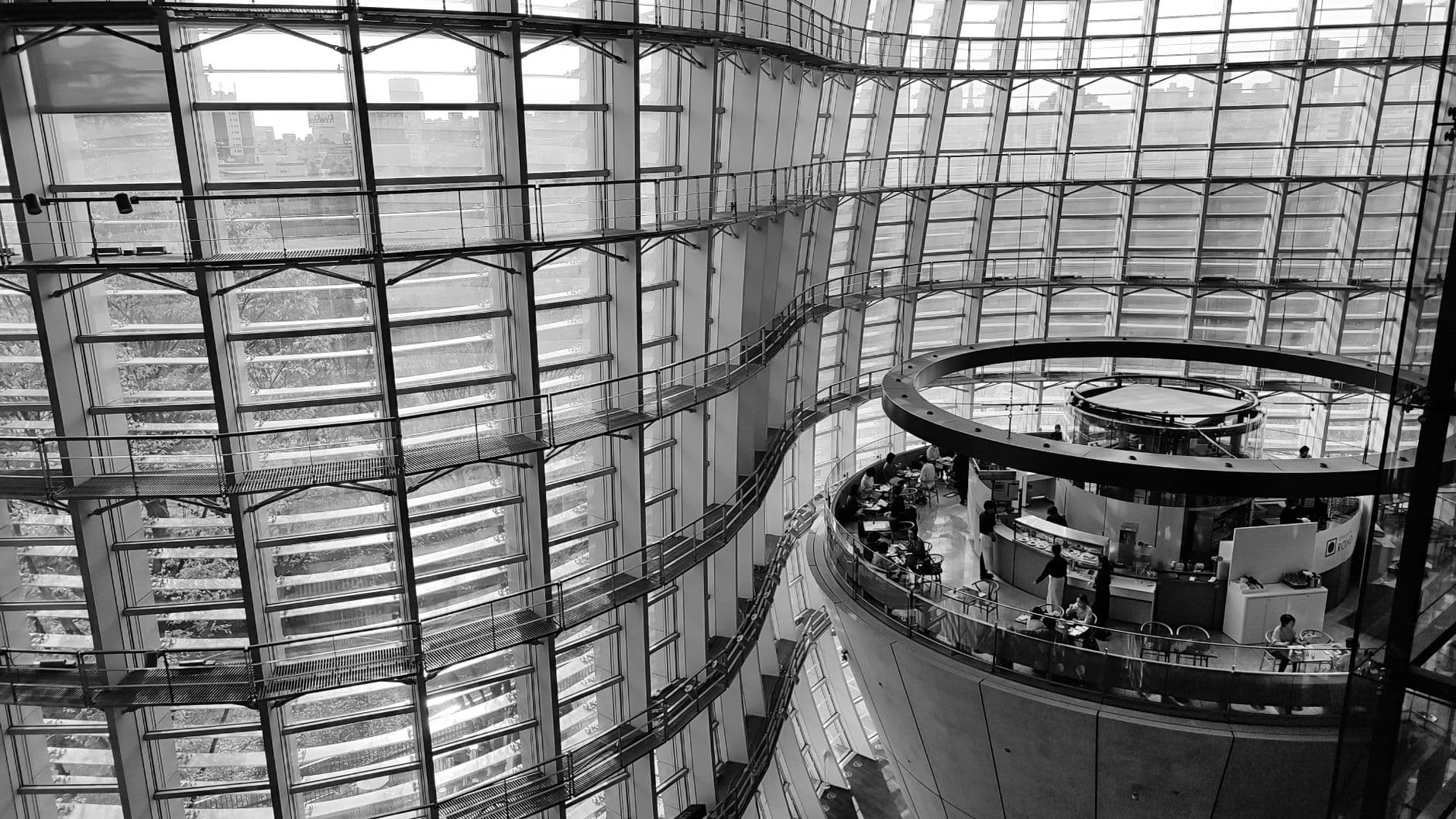
Exit 6 of Nogizaka station on the Chiyoda line connects directly to the museum (Hibiya line Roppongi exit 4a is about 5 minutes on foot, Oedo line exit 7 about 4 minutes). Kurokawa Kisho's rippling glass facade and the two inverted cones in the lobby make the building itself worth the trip, with one distinction to hold onto: entering the building is free, but each exhibition charges separately. It is an exhibition-only museum with no collection of its own, so what is on determines what the day is worth. Hours are 10:00~18:00, until 20:00 on Fridays and Saturdays during exhibition runs (entry closes 30 minutes before), closed Tuesdays (open on a holiday Tuesday, closing the next weekday).
Choosing the exhibition: the Louvre vs Shojo Manga
Two large shows overlap in late 2026. The museum's own FAQ budgets about 1 to 1.5 hours per special exhibition, so seeing both in one day is not a stretch.
| Exhibition | Dates | Fee (adult) | How to choose |
|---|---|---|---|
| Masterpieces of the Renaissance from the Louvre | 2026-09-09~12-13 | 2,400 yen same-day | For Western old masters, visiting on or before December 13. December 7~13 requires a date-and-time ticket (online sales announced to start October 31, 12:00; earlier tickets valid only through December 6; open to 20:00 on December 7~12) |
| Shojo Manga Infinity: Hagio Moto × Yamagishi Ryoko × Yamato Waki | 2026-10-28~2027-02-08 | 2,200 yen same-day | For manga and original illustration art, or any visit from mid-December. First half through December 14, second half from December 16 |
By condition: visiting in November and seeing only one show, take the Louvre first since it closes sooner. From mid-December, Shojo Manga is the default. If architecture rather than exhibitions is the goal, the free lobby and cafe alone leave the day short; widen the afternoon toward Midtown or the Mori Art Museum (see the variations table). This museum also has the most irregular exceptions: in 2026 it opens on Tuesday November 3 (a holiday) and Tuesday December 8, and closes on Wednesday November 4; the New Year closure is December 28 to January 5.
Lunch fits inside the museum (the salon de thé and restaurant atop the lobby cones) or in the Tokyo Midtown food floors within walking range. Weekend lunch queues inside the museum run long; eat early or walk to Midtown to save the hour.
Day 4 Ryogoku: Hokusai and Edo
Sumida Hokusai Museum
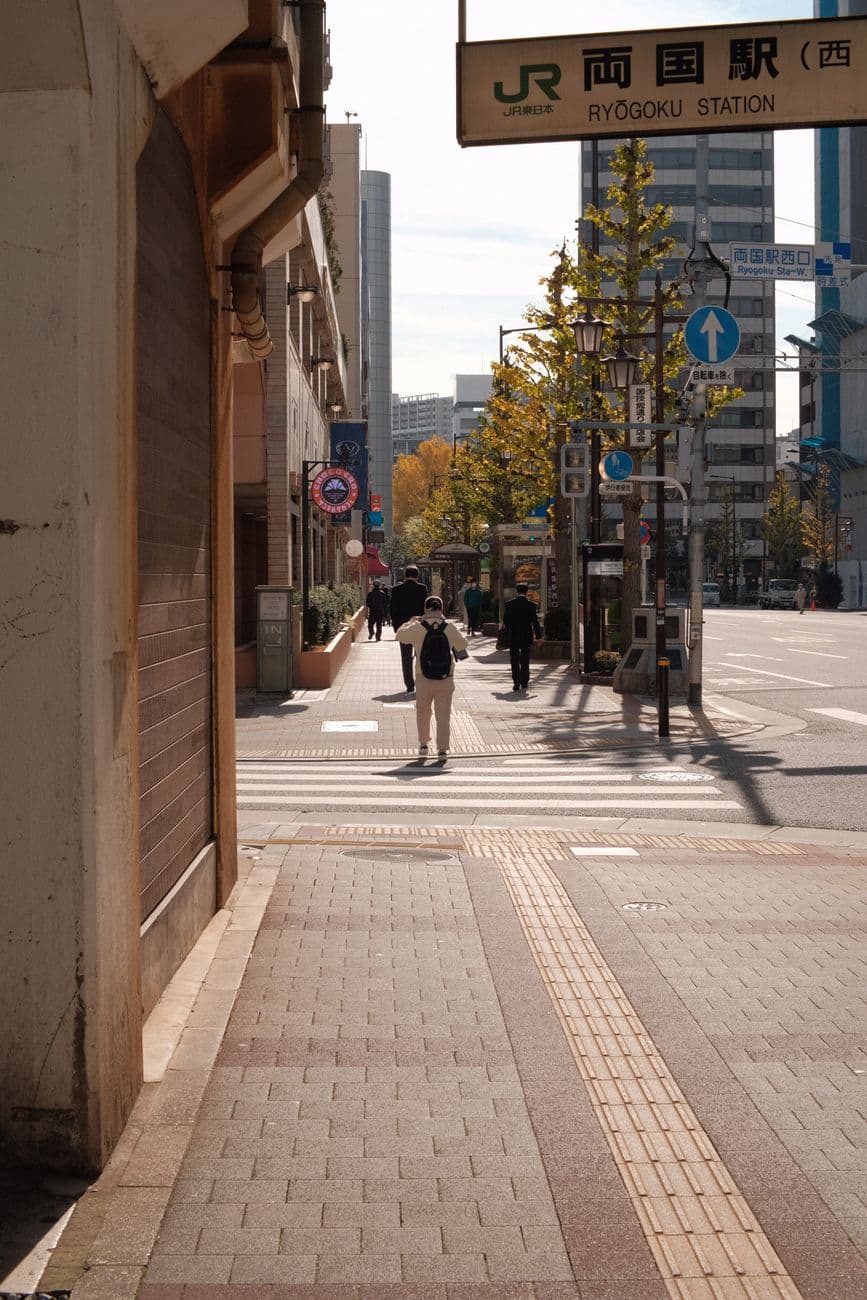
The photo shows the street by the JR west exit. The Hokusai museum is about 9 minutes from the east exit, or about 5 minutes from Oedo-line exit A3.
From Tokyo Station, JR takes 13~15 minutes (transfer at Akihabara or Ochanomizu, 200 yen) to Ryogoku. The museum opened in 2016 in Sumida, where Katsushika Hokusai was born and worked, in an aluminum-paneled building by Sejima Kazuyo. About 9 minutes on foot from the east exit of JR Ryogoku station, or about 5 minutes from exit A3 of Ryogoku station on the Toei Oedo line (the museum's access page also maps a step-free route). Hours are 9:30~17:30 (entry until 17:00), closed Mondays (holiday rule as above) and December 29 to January 3.
What you see swings sharply with the date. The 10th-anniversary special exhibition (the Sumida River scroll and collection highlights) runs through November 23 at 1,500 yen. The next special show, Hokusai Crossover, opens December 16, so between November 24 and December 15 the special-exhibition floors sit empty and the permanent learning gallery (Discover Hokusai, 400 yen) carries the visit. In that gap, treat the Hokusai museum as the light stop and move the day's center to the Edo-Tokyo Museum below. The fee for the December 16 show had not been published at our October 2026 check; see the museum's exhibition page.
Edo-Tokyo Museum
A few minutes on foot from the Hokusai museum: both sit by exit A3 of Ryogoku station on the Toei Oedo line (one minute to this museum, five to Hokusai), and the JR Ryogoku west exit is three minutes away. After about four years of full renovation it reopened on March 31, 2026. The permanent galleries tell the urban history of Edo and Tokyo with full-scale models and artifacts; 800 yen. Hours are 9:30~17:30, until 19:30 on Saturdays, and the Fridays of November 2026 (6, 13, 20, 27) are announced as extended to 20:00. Closed Mondays (the next day after a holiday Monday) and over the New Year period.
The special-exhibition timing helps too: the reopening-commemoration Maruyama Okyo exhibition runs November 28, 2026 to January 24, 2027 at 2,100 yen same-day, 2,740 yen as a set with the permanent galleries (advance tickets 1,900 yen through November 27). The show splits into a first half (November 28 to December 24) and a second half (January 2 to 24), so no special exhibition runs December 25 to January 1. Both the permanent and special floors sell same-day tickets (same-day tickets at the museum, the official online ticketing Webket and other outlets; the permanent-set ticket only at the museum and Webket), with no date-and-time reservation system announced as of our check. It fills the Hokusai gap from November 28, so an early-December Ryogoku day builds itself around Okyo plus the permanent floors.
Chanko-nabe in Ryogoku
Lunch is the neighborhood's signature chanko-nabe. Specialist chanko houses run by former sumo-stable cooks cluster around the stadium, and the converted old station building Ryogoku Edo NOREN holds a chanko restaurant too, easy to slot between the two museums. Single-portion availability and lunch prices vary by house; check each one's notice before visiting.
Day 5 Departure
Check out and head for the airport. Via Narita, leave the hotel 4.5 to 5 hours before the flight to match your reserved N'EX seat; via Haneda, 3 hours 40 minutes to 4 hours (both worked backward from a 3-hours-before airport arrival including walking and waits, travel times as of 2026-10). With an afternoon flight, leave luggage at the hotel and fill half a day on foot in Marunouchi or Jimbocho. Squeezing a museum into departure day is not recommended: an exhibition takes 1~1.5 hours, and once date-and-time tickets are involved a clash with your flight has no fix.
Practical information
| Facility | Hours | Closed | Fee (adult) | Notes |
|---|---|---|---|---|
| National Museum of Modern Art | 10:00~17:00, Fri·Sat ~20:00 (entry 30 min before) | Mon (next weekday after a holiday), 12/28~1/1, 2027-01-12~02-08 changeover | Yumeji exhibition 2,100 yen (collection included) · collection only 500 yen (300 yen after 17:00) | Collection fee becomes 1,000 yen from 2027-02-09. Free collection entry on 11/3. Takebashi exit 1b, 3 min |
| National Art Center, Tokyo | 10:00~18:00, Fri·Sat ~20:00 during runs (entry 30 min before) | Tue (next weekday after a holiday); closed 11/4, open 11/3 and 12/8; 12/28~1/5 | Building free; Louvre 2,400 yen · Shojo Manga 2,200 yen same-day | Louvre date-and-time tickets 12/7~13 (open to 20:00 on 12/7~12). Nogizaka exit 6 direct |
| Sumida Hokusai Museum | 9:30~17:30 (entry 17:00) | Mon (next weekday after a holiday), 12/29~1/3 | 10th-anniversary exhibition 1,500 yen (~11/23) · learning gallery 400 yen | Special-show gap 11/24~12/15. Fee from 12/16 per official announcement |
| Edo-Tokyo Museum | 9:30~17:30, Sat ~19:30, Nov 2026 Fridays ~20:00 | Mon (next day after a holiday), New Year period (dates per official calendar) | Permanent 800 yen · Okyo exhibition 2,100 yen · set 2,740 yen | Reopened 2026-03-31. Okyo 2026-11-28~2027-01-24 (no show 12/25~1/1) |
| Kokyo Gaien/Kitanomaru | Always open (varies by section) | None | Free | Walk on the MOMAT day |
Variations by concept
| Concept | Day changed | Out | In | Why |
|---|---|---|---|---|
| First Tokyo trip, sights too | Everything | This plan | The standard Tokyo 5-day itinerary | Three museum days trade away decks, Asakusa and shopping; stacking both leaves only nightly transit. Use the standard plan's rainy-day slot for one museum instead |
| Contemporary art first | Day 3 | Two consecutive shows at the National Art Center | One show there + the Mori Art Museum in Roppongi Hills (check run and fee officially) | Same district, so only the axis changes. The National Art Center holds no collection and runs on special exhibitions, so for more contemporary art the move is to check what Mori is showing that day |
| Ukiyo-e and Japanese painting first | Day 3 | The Roppongi day | During the Hokusai special run (through 11/23), split Ryogoku across two days; in the gap (11/24~12/15), add Ueno instead (Tokyo National Museum; closed for maintenance on 12/15, check runs and fees officially); from 12/16, return to Ryogoku for the new Hokusai Crossover show | If the Louvre and manga shows are outside your taste, Roppongi's paid floors are empty for you. In the gap, Ryogoku does not fill two days, so Ueno tops it up. Note this swap removes the one Monday-open facility (the National Art Center): if a regular Monday falls inside your stay, fill that day with streets (Jimbocho, Marunouchi) instead. Ueno museums also close Mondays, and the Tokyo National Museum adds its own year-end closure December 26~31 |
| A week containing a holiday Monday | That Tuesday | All museums | Jimbocho bookshops + Marunouchi/Gyoko-dori + the shopping floors around Tokyo Station | The Tuesday after a holiday Monday (such as 2026-11-24) closes all four facilities at once. Streets stay open |
| With children | Volume on Days 2~4 | Two shows per day | One facility per day + Kokyo Gaien and park time | Special exhibitions run hard with small children; the Edo-Tokyo Museum's model-centered permanent floors pair best with kids, and junior-high and younger enter most of these facilities free or near-free |
Food: curry, chanko and neighborhood meals
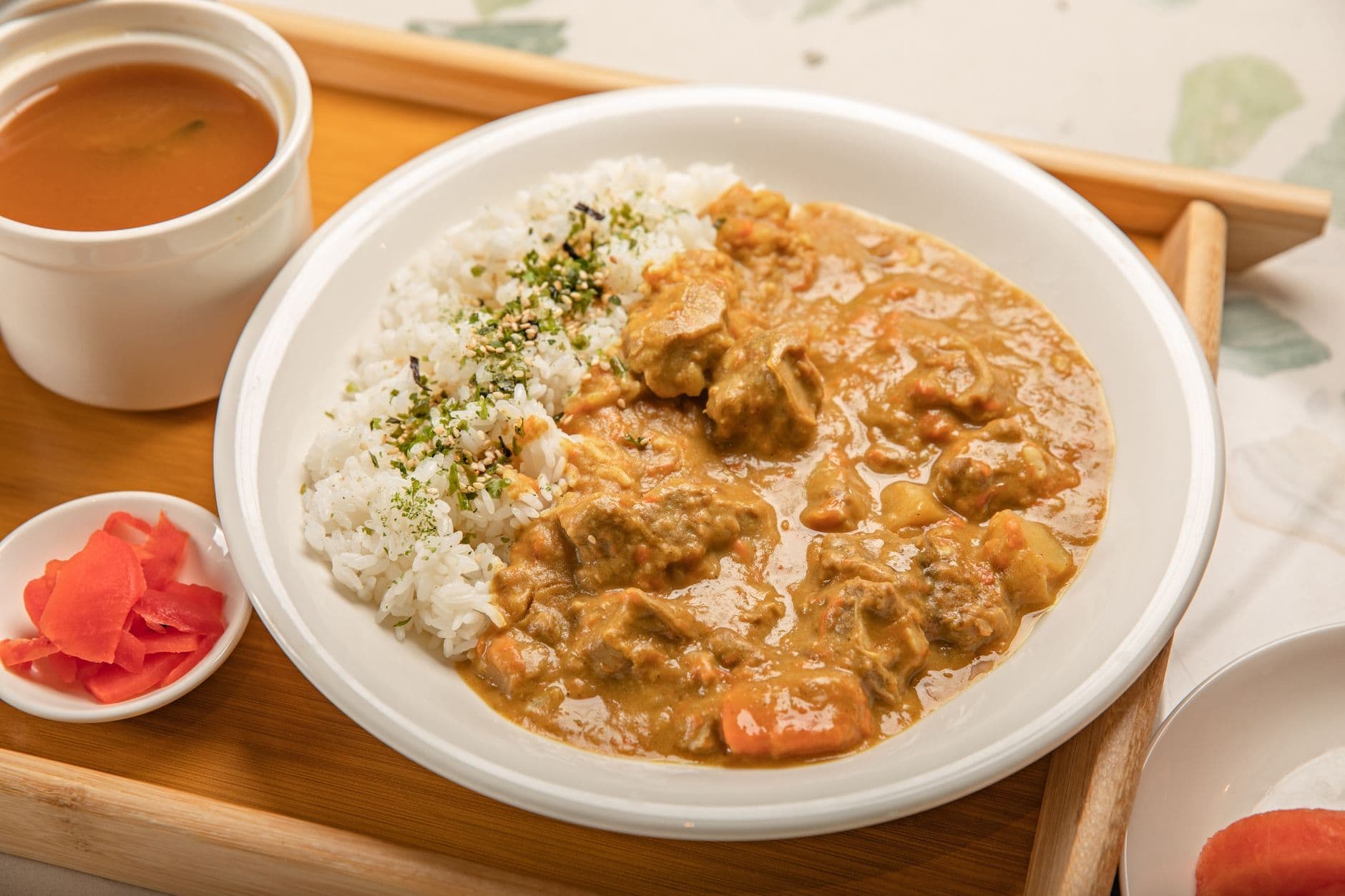
Each district fixes its own meal, which keeps decisions short: European-style curry in Jimbocho on the Takebashi day (long-running houses like Bondy above the Kanda Book Center), the museum salon or the Midtown food floors on the Roppongi day, chanko-nabe on the Ryogoku day. Arrival and departure days lean on the restaurant floors in and under Tokyo Station. Prices vary too much by shop for a table; by menu, a plate of curry is the cheapest and a chanko course climbs into the thousands of yen. The older the shop, the more irregular the hours; check each shop's latest notice before visiting.
Costs for 5 days, per person
Plan on about 780,000 to 1,880,000 KRW per person including flights (adults, double occupancy, editorial planning assumptions). Conversion: 100 yen ≈ 845 KRW (derived from ECB reference rates, 2026-10); totals round the row sums to the nearest 10,000 KRW.
| Item | Budget | Standard | Comfortable |
|---|---|---|---|
| Flights (Incheon~Tokyo round trip, planning assumption) | 250,000 KRW | 350,000 KRW | 500,000 KRW |
| Hotel, 4 nights (per-person share, planning assumption) | 270,000 KRW | 480,000 KRW | 950,000 KRW |
| Food, 4.5 days (planning assumption) | 118,000 KRW (14,000 yen) | 169,000 KRW (20,000 yen) | 270,000 KRW (32,000 yen) |
| Admissions (posted fees) | 56,000 KRW (6,600 yen) | 56,000 KRW (6,600 yen) | 56,000 KRW (6,600 yen) |
| Transport (Narita N'EX both ways + city) | 66,000 KRW (about 7,800 yen) | 66,000 KRW (about 7,800 yen) | 66,000 KRW (about 7,800 yen) |
| Misc and data | 20,000 KRW | 30,000 KRW | 40,000 KRW |
| Total | about 780,000 KRW | about 1,150,000 KRW | about 1,880,000 KRW |
The admissions row prices the course through November 23 on the Shojo Manga choice (Yumeji 2,100 + Shojo Manga same-day 2,200 + Hokusai 10th-anniversary 1,500 + Edo-Tokyo permanent 800 = 6,600 yen). Swapping in the Louvre adds 200 yen; a December visit swaps the Hokusai share for 400 yen (learning gallery) or the unpublished new-show fee, and the Edo-Tokyo share, on the Okyo exhibition's open days, for the permanent-plus-Okyo set at 2,740 yen (2,100 yen for the special show alone); during the 12/25~1/1 pause the 800-yen permanent fee stands. Catalog buyers and audio-guide users will watch this row grow. The transport row is the N'EX at 3,140 yen each way (6,280 yen both ways) plus city rides (two subway round trips about 720 yen + one JR round trip 400 yen + spare rides about 360 yen), about 7,800 yen. JR East also sells a discounted N'EX round-trip product, so checking the official price before booking can lower this row, and entering via Haneda drops the airport legs to 1,060~1,440 yen, roughly 40,000 KRW less. Flight, hotel and food rows are editorial planning assumptions, not posted prices, and move with season and booking timing.
Season and weather
By the 1991~2020 climate normals for Tokyo, November averages 12.5°C, December 7.7°C and January 5.4°C. Precipitation falls from 96.3 mm in November to 57.9 mm in December and 59.7 mm in January, the driest stretch of the year. For an indoor-centered itinerary, late autumn through winter is the right window, and from mid-November the ginkgo avenues around Marunouchi and the palace add themselves to the walks. The calendar, not the weather, is the variable: New Year closures cluster from late December, and MOMAT's January 12 to February 8, 2027 changeover closure means a winter traveler after that date rebuilds the museum list first.
Four things not to miss
- Split Monday and Tuesday: Monday closures (MOMAT, Hokusai, Edo-Tokyo) vs Tuesday closure (National Art Center). Roppongi on Mondays, Takebashi/Ryogoku on Tuesdays. The Tuesday after a holiday Monday (2026-11-24) closes all four.
- The December 7 line for the Louvre: December 7~13 visits need a separate date-and-time ticket. Do not count on same-day tickets in the final week.
- No contactless on JR: the subway takes credit-card tap from March 2026, but the Yamanote and Sobu lines run on Suica or paper tickets, and the N'EX adds a reserved-seat ticket. Make a Welcome Suica at the airport first.
- 2026 price revisions: the 24-hour subway pass is 1,000 yen, not 800; N'EX to Tokyo Station is 3,140 yen, not 3,070. Do not reuse numbers from posts written before March 14, 2026.
Wrapping up
A museums-first Tokyo five days is not a trip that gives up the city; it packs one district per day with an exhibition, a building and the neighborhood meal. Modern art and a palace-side walk in Takebashi, special exhibitions and architecture in Roppongi, Hokusai and the city's history in Ryogoku. The closing days set the order, and in late 2026 the lineup reads Yumeji, the Louvre, shojo manga and Okyo. Get the weekday arithmetic right and the rest runs loose.
Carry this itinerary in Tripop
Put this plan into the Tripop app and the day-by-day places, notes and budget stay visible offline. It bundles exhibition-ticket vouchers in one place and splits the travel ledger with companions, with only the features a trip actually needs. Get the app at the Tripop homepage and load this itinerary.
What we verified
The fares, hours and entry procedures in this article were checked by the Tripop editorial team on October 26~27, 2026 against official pages of the National Museum of Modern Art, the National Art Center, the Sumida Hokusai Museum, the Edo-Tokyo Museum, the Tokyo National Museum, JR East, Tokyo Metro, the Tokyo Metropolitan Bureau of Transportation, the Haneda Airport terminal operator, Japan Customs and the Digital Agency. Some airport-to-city fare totals and station-to-station times come from route-search values (2026-10), since those fare tables are published only through search tools. Some JR East and Tokyo Metro pages block automated access, so 2026 archived copies of the same pages were used, as was an archived copy of the MOFA visa-exemption page for the 90-day rule. The Edo-Tokyo Museum's year-end dates go by its official hours page, and the Tokyo National Museum's closures (including the December 15 maintenance day) by its official notice. Exhibition runs and fees assume visits between November 2026 and January 2027; for later trips, recheck each museum's official calendar. For a December Louvre visit, recheck the timed-ticket page before departure. The photos are Pexels stock photos, not our own shots. If you find anything different on the ground, tell us and we will fix it.
Images: Pexels (Halil Fatih Çetin: National Art Center exterior, Ahmad Shakir Shamsulbadri: Yamanote line, Tatsuo Nakamura: Tokyo Station in autumn, Tony Wu: Kokyo Gaien stone bridge, Lana: National Art Center interior, Mak_ jp: Ryogoku street, Change C.C: curry), Pexels License.