
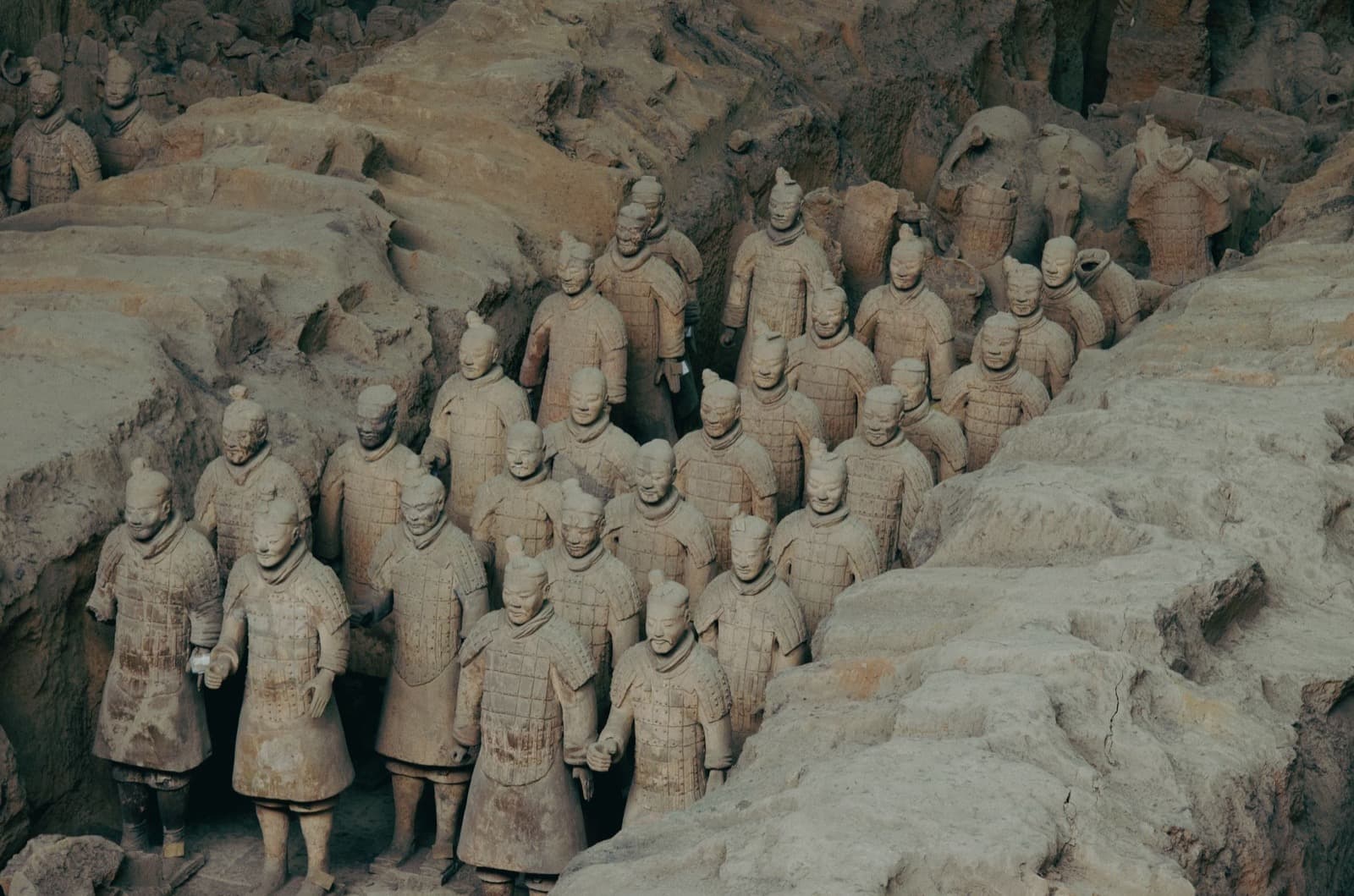
Xi'an is a city where the Terracotta Army alone is worth the airfare. And it has rarely been easier to reach: China has rolled out visa-free entry for a growing list of nationalities (Korean passports get 30 days through December 31, 2026). Here is a 3,000-year-old capital compressed into 3 nights and 4 days, along with the prep work that still matters in the visa-free era.
The itinerary at a glance
| Day | Area | Route | Key costs |
|---|---|---|---|
| Day 1 | Arrive in the walled city | Bell Tower and Drum Tower by night → Muslim Quarter night market | Muslim Quarter free |
| Day 2 | Terracotta Army | Terracotta Army half day → (optional) Huaqing Palace | Terracotta Army 120 CNY |
| Day 3 | City Wall and pagoda | City Wall cycling → Giant Wild Goose Pagoda and fountain square | City Wall 54 CNY |
| Day 4 | Fly out | Last walk in the walled city → airport | Airport rail link |
What to know before going in 2026
Start with the two premises of this trip. First, the visa barrier is lower than it has been in years. China has rolled out visa-free entry for a growing list of nationalities; Korean passports, for example, get 30 days of visa-free tourism through December 31, 2026, with no extension announced yet. That means "the Terracotta Army with zero visa paperwork" is only a sure thing through this year for some travelers, so checking your own nationality's current status before booking is step one. Second, payment prep is half the trip prep. From street stalls to taxis, China runs on Alipay and WeChat Pay QR codes, so link a foreign card to the apps before you fly. Internet restrictions block Google and many of the services you use daily, which makes roaming or a VPN-capable eSIM necessary, and installing Amap (Gaode Maps), which stays accurate on the ground, will save you a lot of wandering.
Day 1: Into the walled city, the Bell Tower by night, and the Muslim Quarter
From the airport, the airport rail link ties into the metro network and puts you inside the walled city in about an hour. Stay inside the wall, ideally near the Bell Tower: half of what you came to see is within walking distance of it.
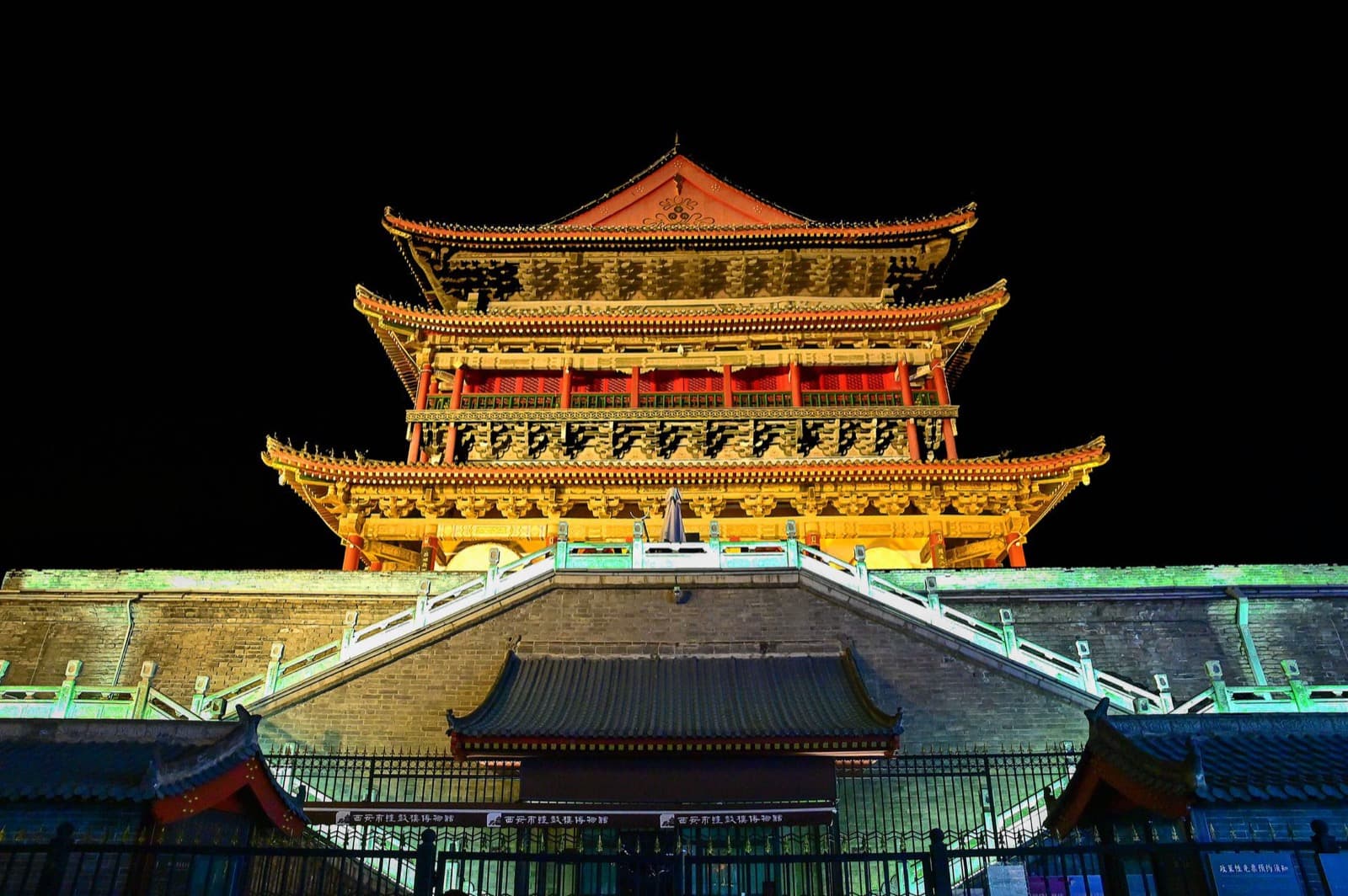
After dark, the city's symbols, the Bell Tower and the Drum Tower, put on their lights. A Ming-dynasty pavilion floating in the middle of a downtown traffic circle is all the first greeting Xi'an needs.
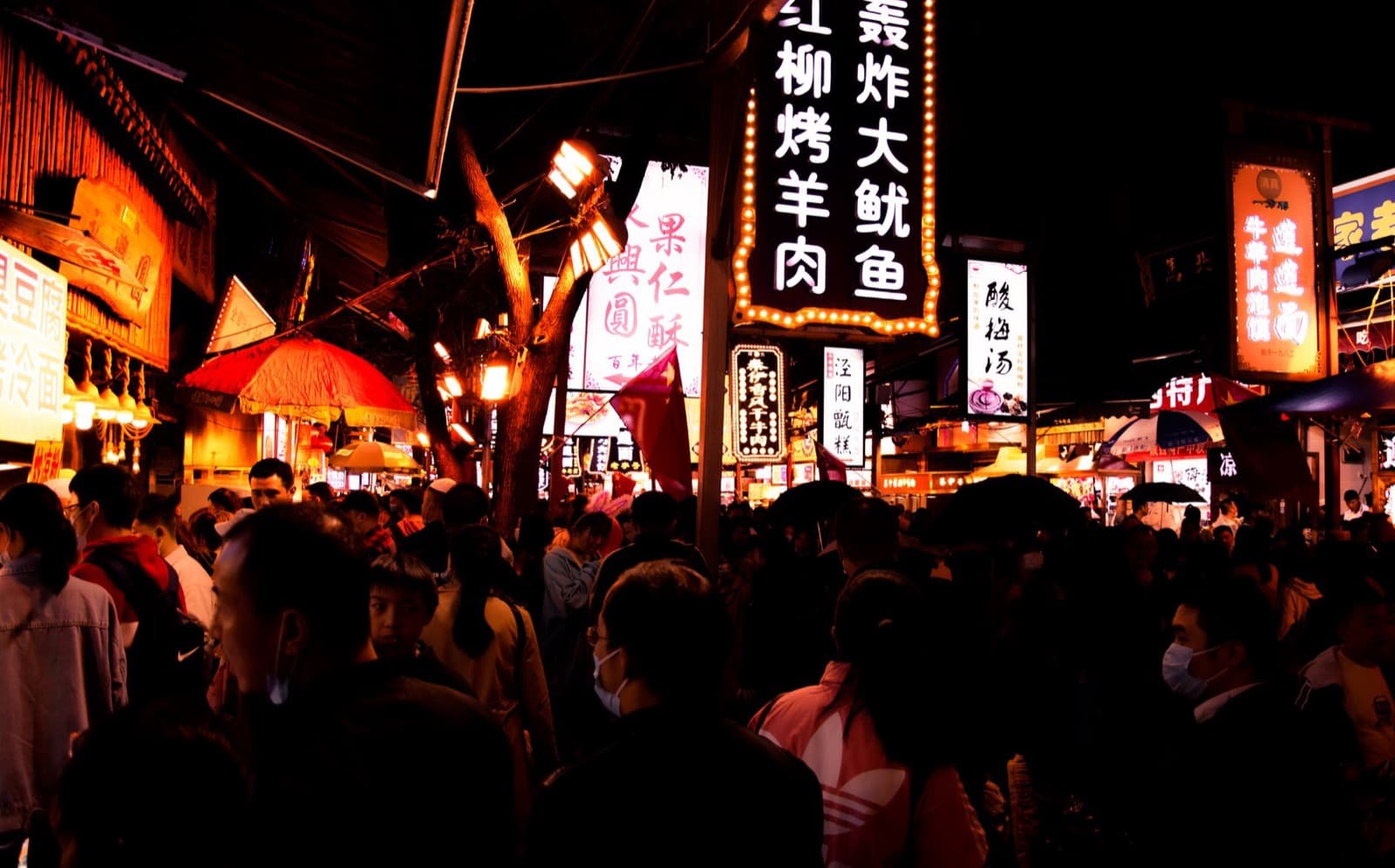
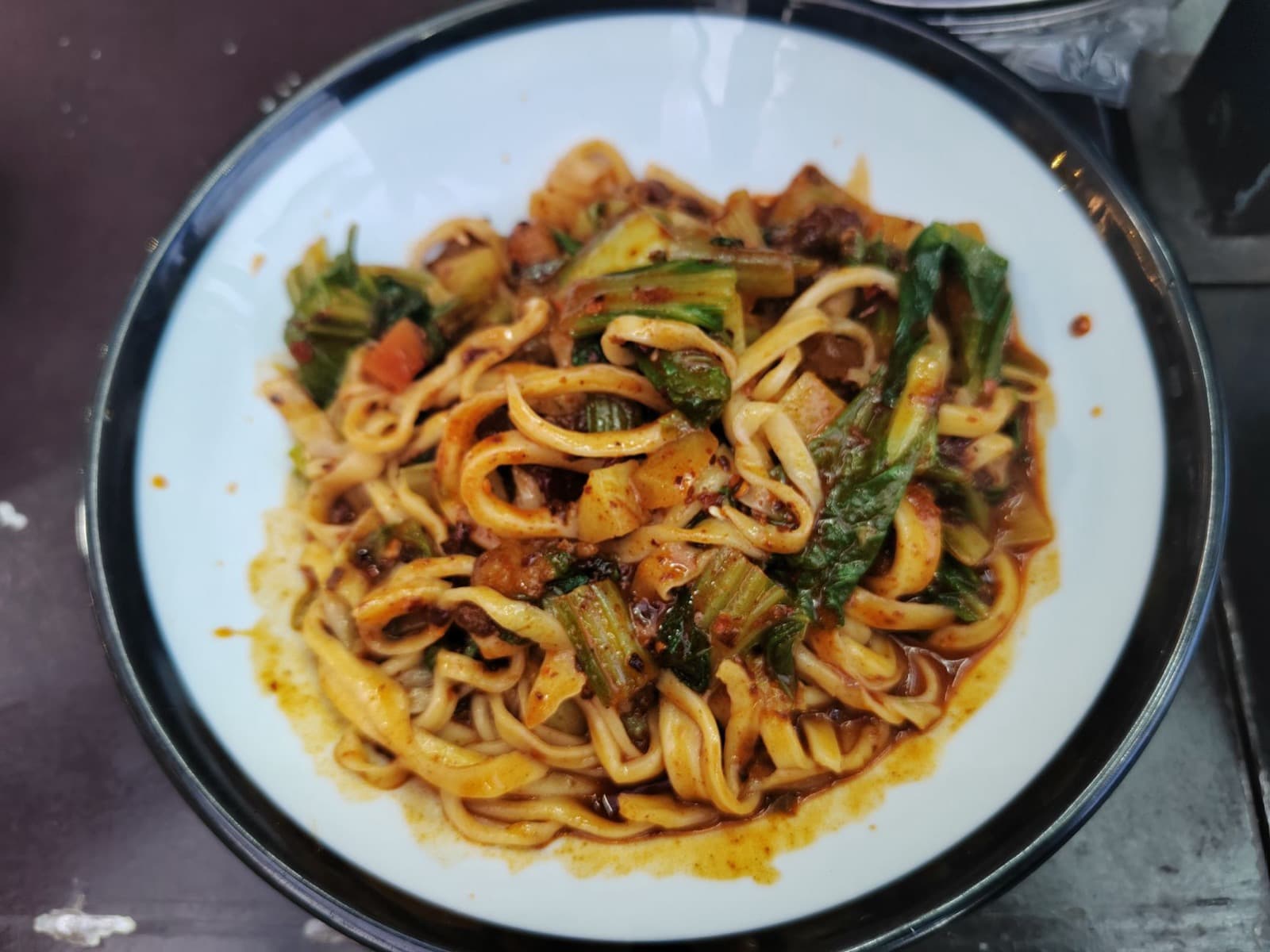
Dinner is the Muslim Quarter (Huimin Street) behind the Drum Tower. It is the night market of a Muslim enclave with more than 1,000 years of history, and Xi'an's signature eating is packed into one stretch of lanes: lamb skewers, roujiamo (the Chinese burger), liangpi (cold noodles in a tangy dressing), and biangbiang noodles with strands wider than the bowl. At 20-40 CNY a bowl, you can work through two or three without a second thought.
Day 2: The Terracotta Army, the reason you came
The site sits about 40km east of the city center, so clear at least half the day including travel time. Getting there is a pick between the metro plus a connecting bus, a direct tourist bus, or Didi (China's ride-hailing app). Admission is 120 CNY in peak season (about $17), and entry runs on real-name booking, so reserve online in advance with your passport details.
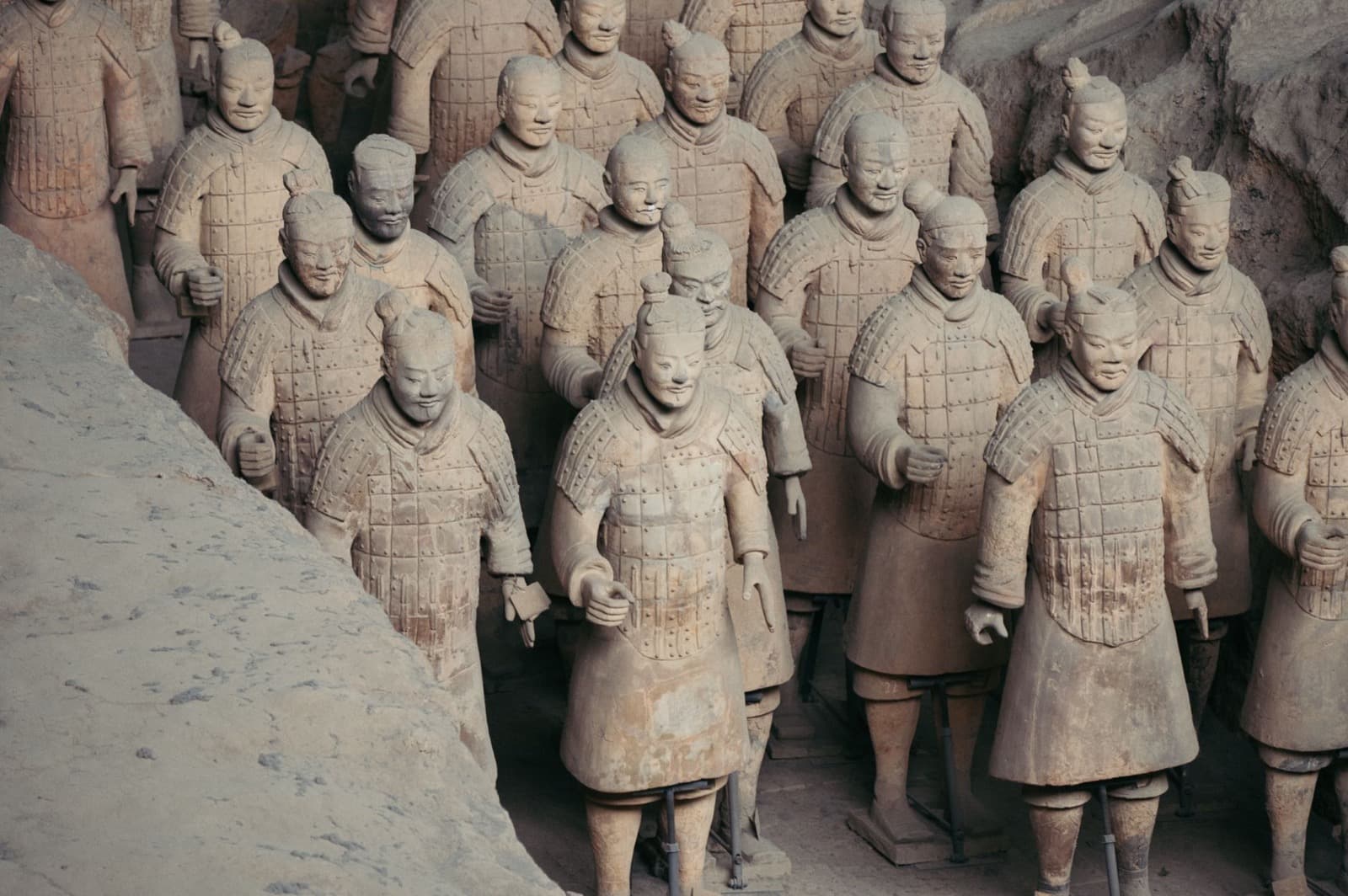
The viewing order is settled for you; the only choice is whether to see Pit 1, the largest, first or last. An excavation hall the size of a football field, thousands of soldiers standing in formation: no amount of photographs prepares you for how quiet you go in front of the real thing. Confirming that every soldier wears a different face is the job of Pits 2 and 3 and the exhibition hall.
On the way back, if there is energy left, add Huaqing Palace, the detached palace of Tang emperor Xuanzong and his consort Yang Guifei (separate admission; the night show "The Song of Everlasting Sorrow" is priced by season and seat, so check the official ticket office). If it feels like a stretch, heading back into town to rest is what saves the next day.
Day 3: Cycling the City Wall, then the Giant Wild Goose Pagoda
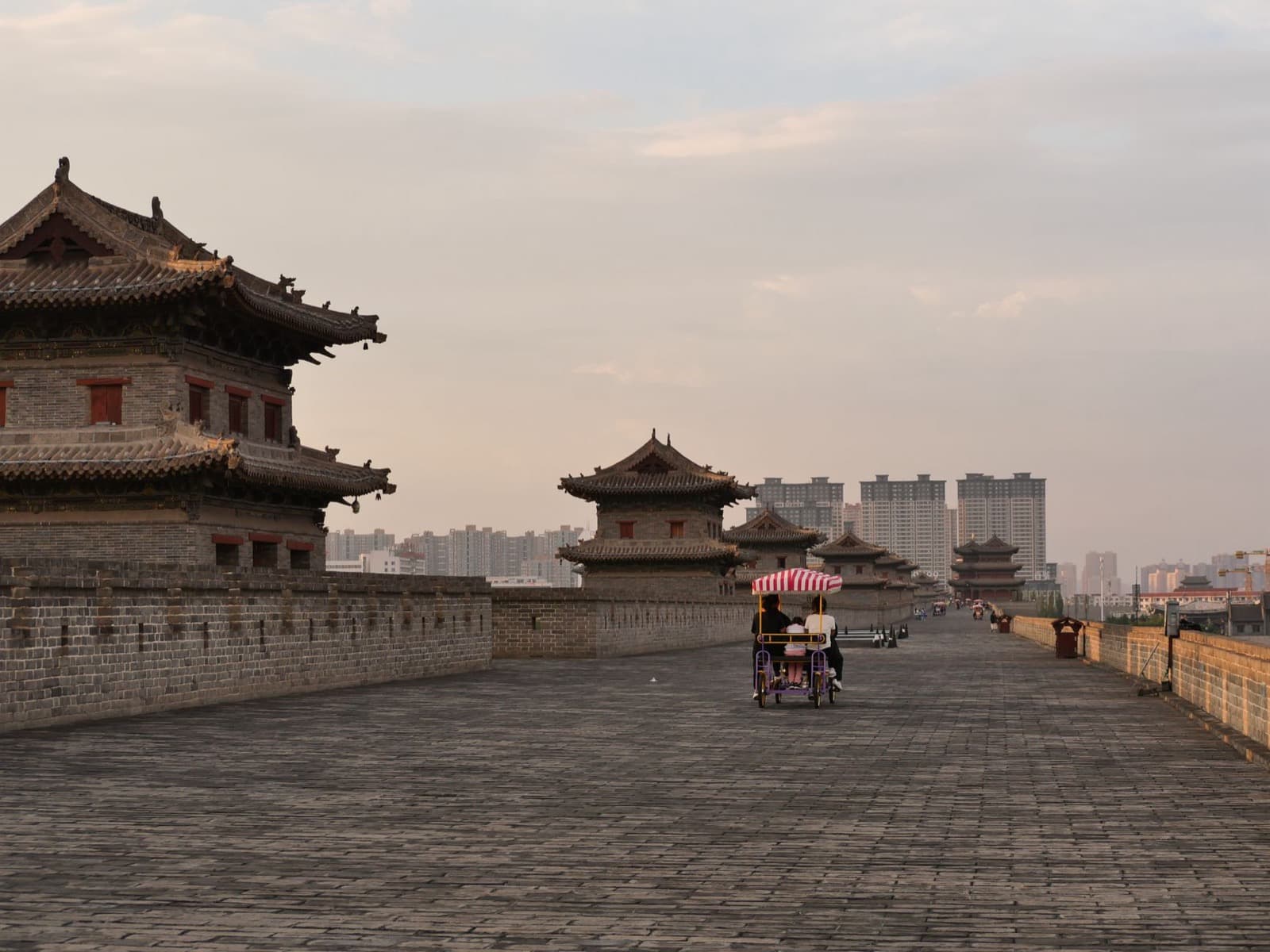
The Xi'an City Wall is a rarity even in China: a Ming-dynasty city rampart that survives fully intact around a loop of about 14km. Pay the 54 CNY admission and climb up, and the entire top of the wall is a cycling road. Rent a bike at the South Gate (rental is extra) and the full loop takes an hour and a half to two hours. Go up toward sunset and you collect daylight inside the walls and the night view beyond them in a single ride.
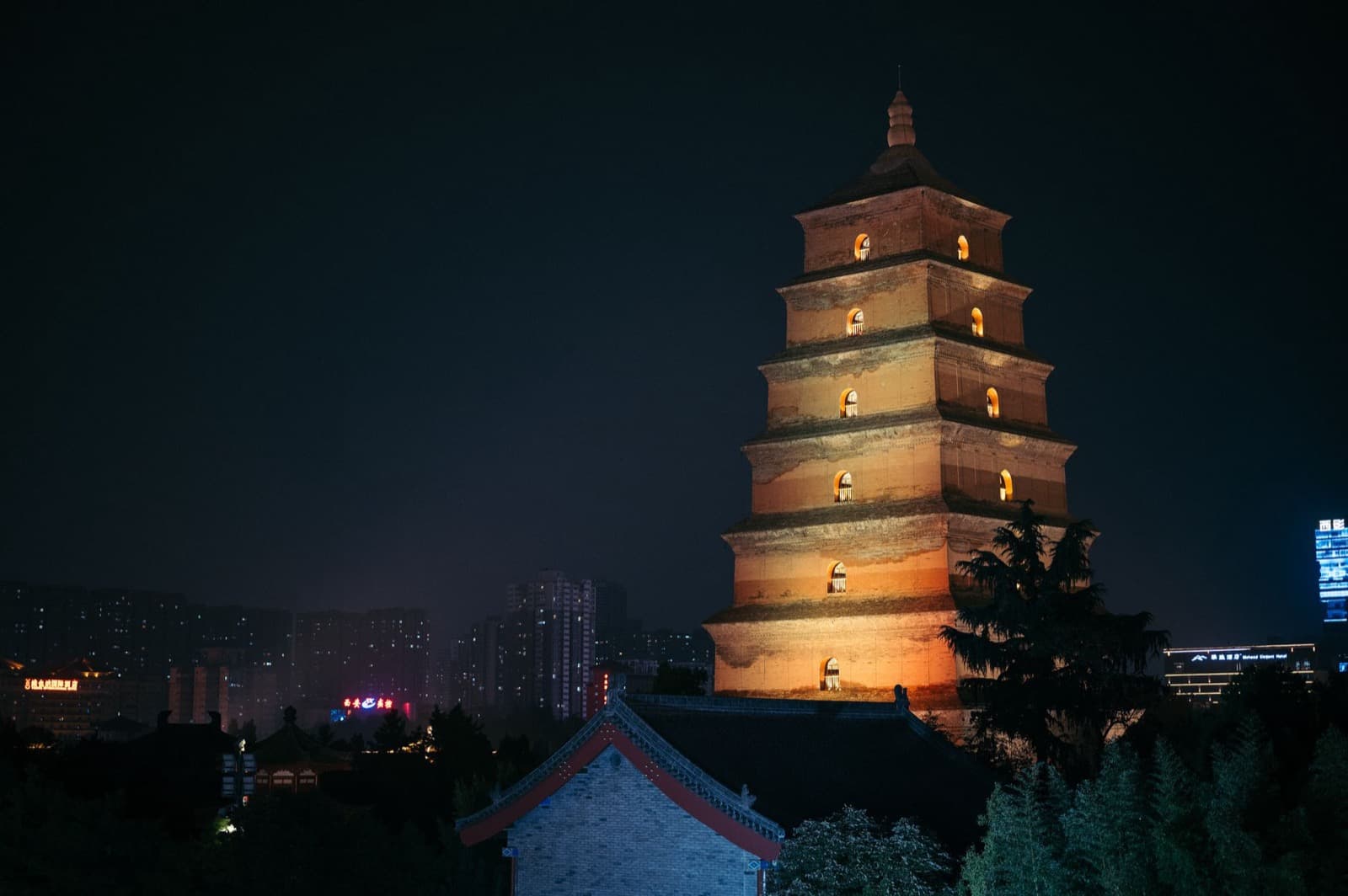
In the afternoon, head south to the Giant Wild Goose Pagoda area. This seven-story brick pagoda was built to hold the scriptures the monk Xuanzang carried back from India, and the plazas and shopping streets around it have been landscaped into an easy stroll. After dark, the fountains and lights come on and the square becomes one of Xi'an's defining night views.
Dinner is biangbiang noodles, or else yangrou paomo: a Xi'an classic where you tear a disc of dense bread (the mo) into small pieces by hand and let them soak in lamb soup. How finely you tear is said to decide how it tastes, so locals take their time over it. The waiting is part of the dish. You should not leave Xi'an without confirming that this is a city of noodles and bread.
Day 4: One last walk, then the flight home
Spend the morning in the lanes inside the wall or on Shuyuanmen, the calligraphy and souvenir street, then head for the airport. For international departures, arriving 2.5 hours early is the safe call, and whatever balance is left in WeChat Pay can be spent down at an airport convenience store.
The budget: about ₩400,000-700,000 per person, flights separate
Excluding airfare, about ₩400,000-700,000 (roughly $290-510) per person is a comfortable target. Food pressure is low here (a bowl of noodles runs 20-40 CNY), and admissions are the biggest line item: build around the Terracotta Army at 120 CNY and the City Wall at 54 CNY, then add options on top.
| Category | Basis | Notes |
|---|---|---|
| Lodging | 3 nights inside the wall | Walking distance of the Bell Tower keeps routes short |
| Admissions | Terracotta Army 120 CNY + City Wall 54 CNY + options | Huaqing Palace and pagoda interiors are optional |
| Food | 20-40 CNY per meal | Cheap if you lean on the Muslim Quarter and noodle shops |
| Transport | Metro and Didi | Low even with the airport rail link included |
Before you go
- Visa check: China has rolled out visa-free entry for a growing list of nationalities (Korean passports get 30 days through December 31, 2026). Check your own nationality's current status and your passport validity before booking.
- Payments: link a foreign card to Alipay or WeChat Pay (setting up both is the safe play). Carry a small amount of cash as backup.
- Internet: a VPN-capable eSIM or roaming. Install Amap (Gaode Maps).
- Terracotta Army booking: entry is real-name, so book ahead with your passport number. Early morning is the answer to the crowds.
- Combining trips: within the China cluster, whether to pair this city with the Beijing 4-night 5-day itinerary or the Chengdu 3-night 4-day itinerary comes down to taste.
In short
- Visa-free entry now covers a growing list of nationalities (Korean passports: 30 days through December 31, 2026) → for many travelers, the Terracotta Army without visa paperwork
- Terracotta Army 120 CNY in peak season with real-name booking; City Wall 54 CNY plus a bike loop of about 14km
- Linking a foreign card to Alipay or WeChat Pay is effectively mandatory
- The Muslim Quarter night market, biangbiang noodles, and yangrou paomo anchor the food side
- Budget: about ₩400,000-700,000 (roughly $290-510) per person, flights excluded
Build this plan in 1-3 minutes with Tripop
Type one line into Tripop, "3 nights and 4 days in Xi'an with the Terracotta Army," and the AI blocks out the half day the pits demand and arranges the walled-city days around it. Attach your booking confirmations to the plan as vouchers and they open offline even when the internet is blocked, and everything you spend in yuan lands in the trip expense tracker, which converts it to your home currency and keeps the totals tidy.
Images: Pexels (Jan Dvorak and 征宇 郑: Terracotta Army; Rain Lü: City Wall cycling; niguo: Muslim Quarter; 征宇 郑: Giant Wild Goose Pagoda; Kenny Foo: Bell Tower; hj ginger: noodles), Pexels License.