
On the last night of a trip to Japan, if there is any space left in your suitcase, there is only one place to go: Don Quijote. Many branches of this discount megastore keep the lights on 24 hours a day, stack cosmetics, snacks, and alcohol at close to the lowest prices in town, and take 10% off as tax-free once your total passes 5,000 yen. Here is how to shop the famous maze without losing your way, or your baggage allowance.
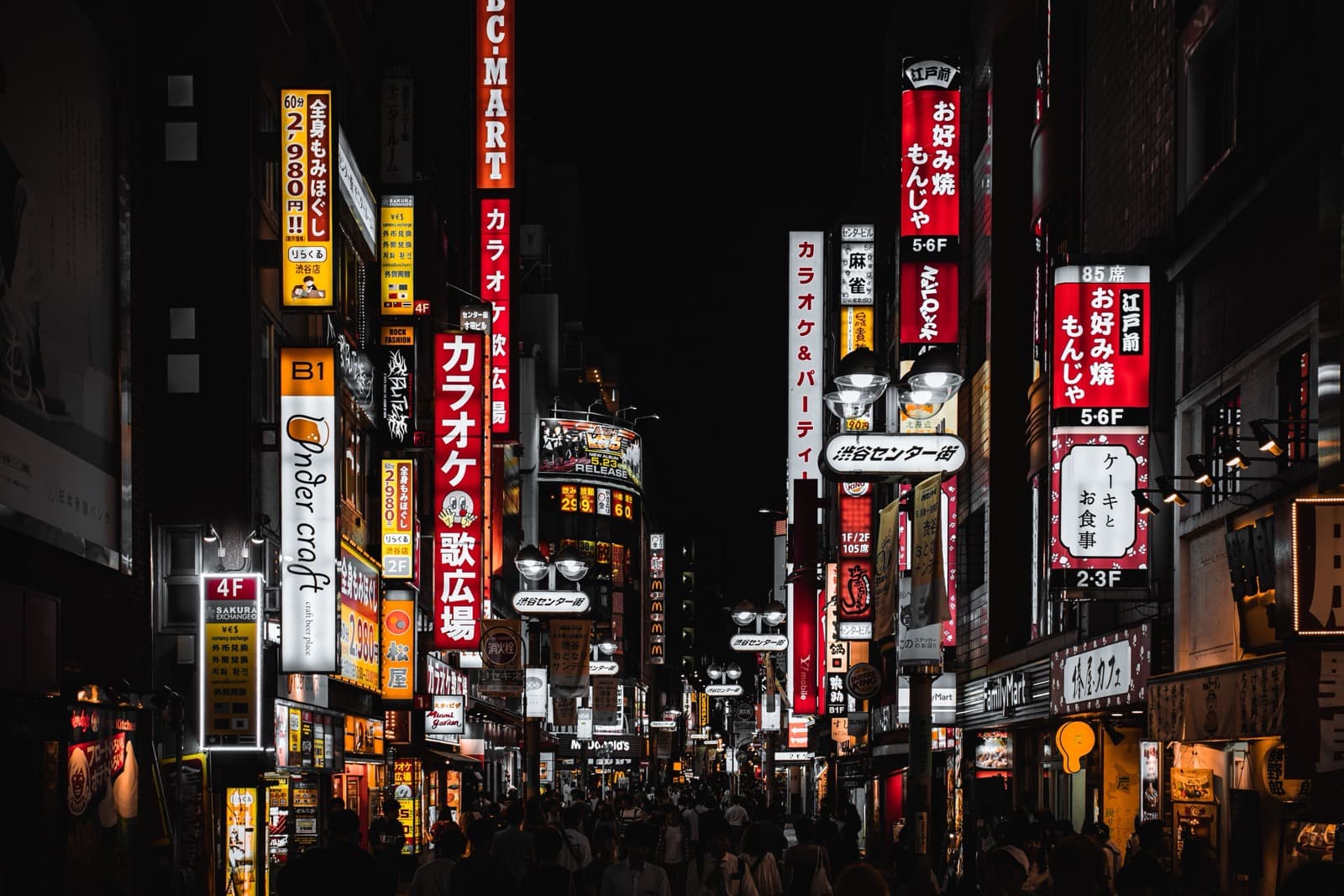
Why Don Quijote became a traveler pilgrimage
The identity of Don Quijote, or Donki as everyone calls it, is density. Displays stacked to the ceiling, narrow aisles, categories that never seem to end. Walk past the snack wall and you hit cosmetics, next to that home electronics and medicine, and a floor up there is alcohol and even luxury goods. Somewhere along the way, this glorious chaos stopped being an obstacle and became a tourist attraction in its own right. If your social feed has ever served you a Donki haul video, you already know how the story ends: nobody walks out with just one item.
For travelers, the practical case is just as clear. Cosmetics, snacks, and alcohol sit near market-lowest prices, and because many stores run 24 hours, you can shop after your sightseeing day is completely over. Tax-free counters stay open late into the night, staff and signage are multilingual, and the checkout kiosks even accept foreign banknotes. Few places in Japan are this thoroughly optimized for international visitors.
Which store should you go to
If it is your first visit, a large flagship is the answer. In Tokyo that means Shinjuku or Shibuya; in Osaka, Dotonbori. All three sit right on the main tourist trails, which is exactly why they are the most popular. If you have extra time, the suburban MEGA Don Quijote stores are the supersized version, complete with full grocery sections.
In truth, the core lineup is similar at every branch, so pick a big store close to your hotel and spend your decision energy elsewhere. What you should budget generously is time. Walking in with a 30-minute plan and walking out two hours later is practically the house rule.
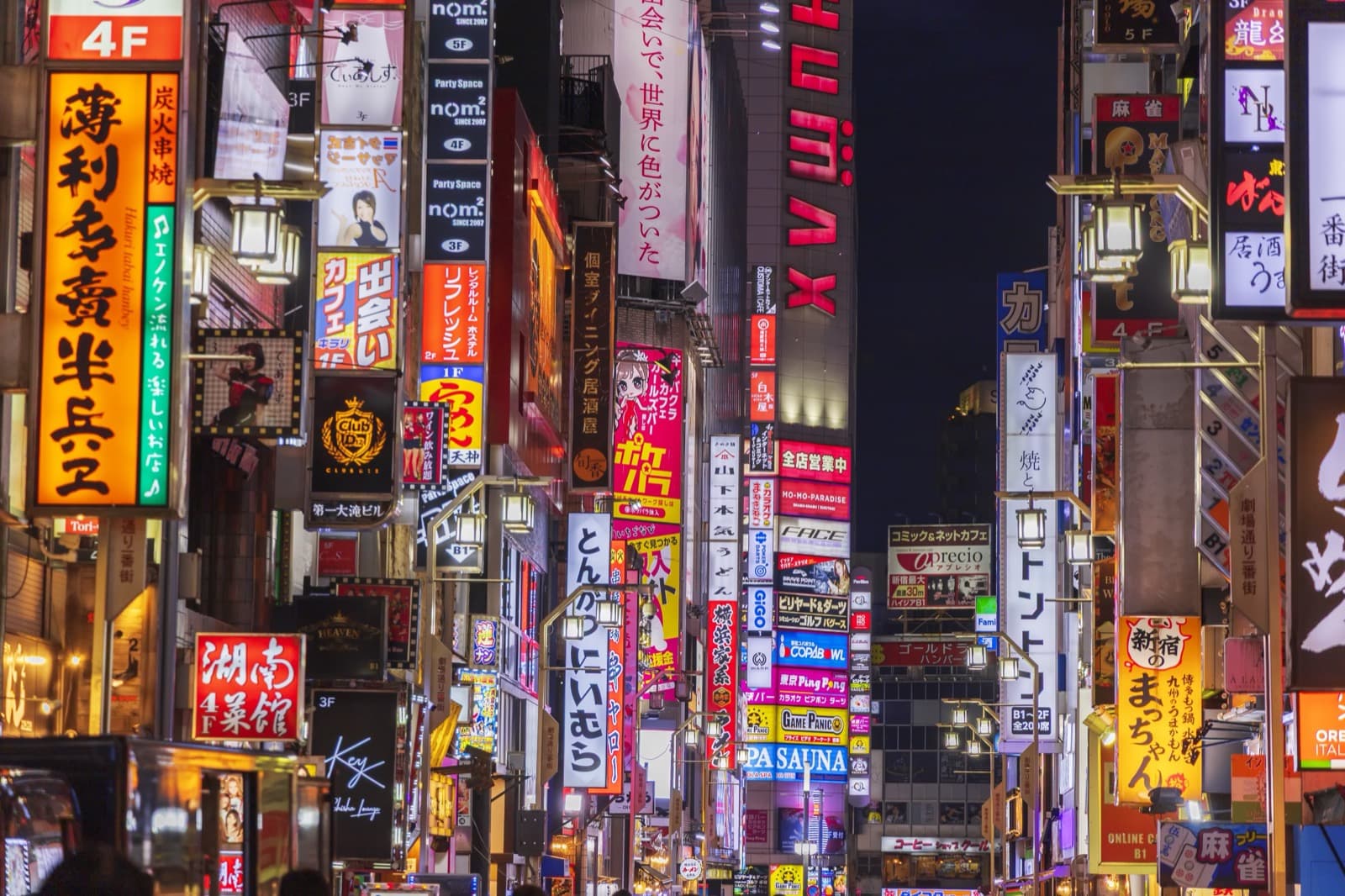
The no-fail haul list
Ask any repeat visitor what to buy in Japan and the same categories come up every time. These are the staples of the foreign shopper's basket:
- Snacks: Japan-exclusive KitKats, chocolate, potato snacks. The heroes of bulk gift shopping.
- Medicine and beauty: medicated pain-relief patches, eye drops, skincare. Japanese drugstore favorites, laid out at near-lowest prices.
- Alcohol: whisky, sake, plum wine (umeshu). Bought in a tax-free combo, the total often beats anywhere else in town.
- Household goods and character goods: somewhere between practical and adorable. You only meant to browse, yet the basket fills itself.
- Seasonal exclusives: limited packages that rotate with the seasons. Buy them now or never.
If your gift list is long, this one floor plan covers nearly all of it.

Tax-free shopping: just remember your passport
Spend 5,000 yen or more in the same day and 10% comes off as tax-free. The method could not be simpler: bring your passport and pay at the tax-free counter, and that is it. Large stores run dedicated tax-free registers, and they keep working late into the night. One practical note: the counter needs your actual passport, not a photo of it. Eligible items and thresholds can change, so give the in-store signage a quick check.
If the checkout itself worries you, it should not. Kiosks accept foreign banknotes, multilingual displays pop up product explanations, and the staff have heard every question before, so the language barrier is effectively zero.
The late-night shopping strategy
Don Quijote's real charm comes from the clock. The most comfortable route is to finish dinner, catch the night views, then stop in on the way back to your hotel. By then the daytime and early-evening checkout lines have melted away, and you can wander the maze of aisles at your own pace. It is also the perfect setting for the final shopping run of your last night, weighing each purchase against the space left in your suitcase. And if jet lag has you wide awake past midnight anyway, this is the errand made for it.
The one caution is baggage rules. Liquids like alcohol and cosmetics will collide with carry-on limits, so shop with checked luggage in mind and know your spare suitcase capacity before you start filling the basket.
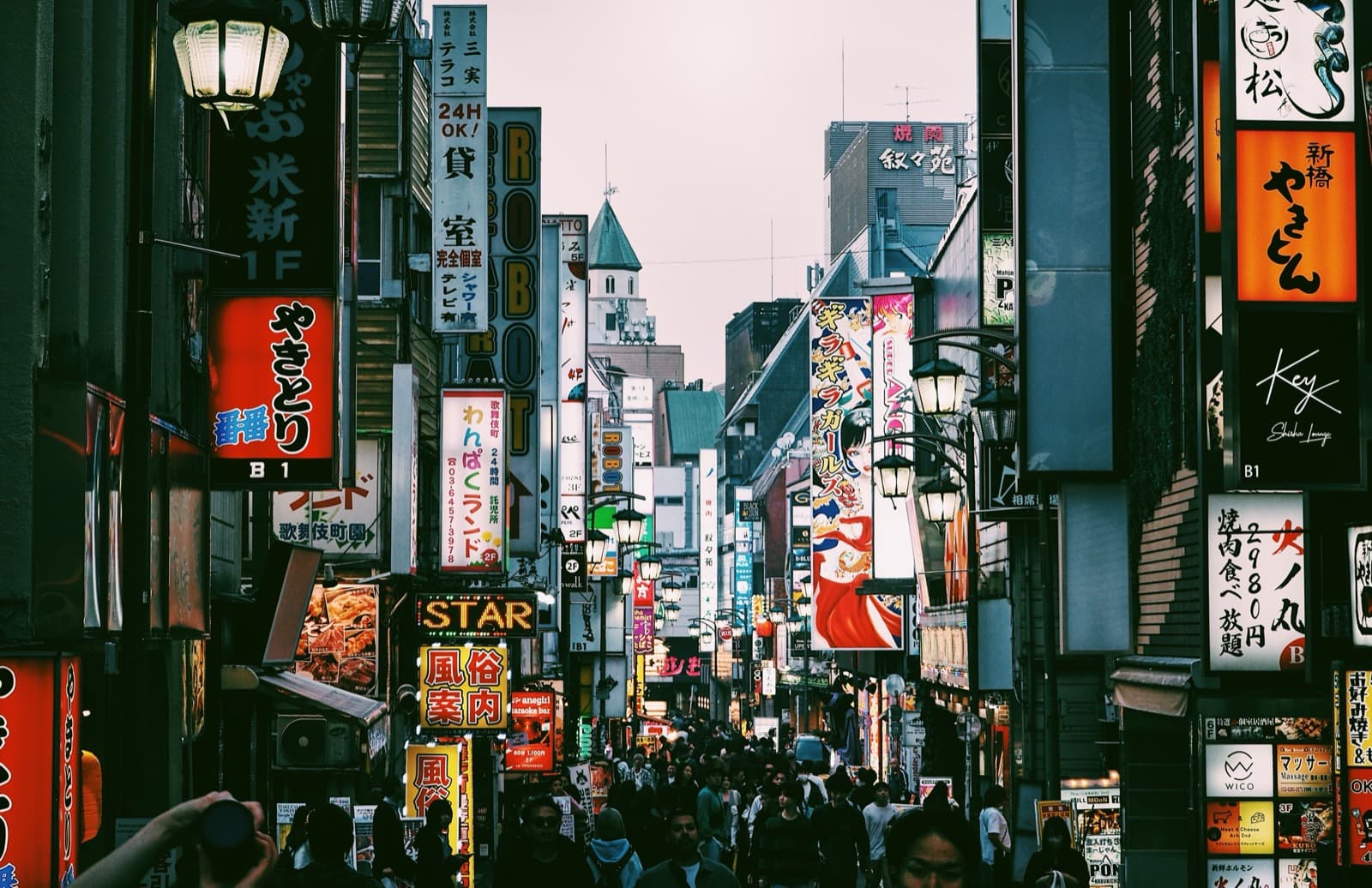
Why browsing counts as sightseeing
Don Quijote is a spatial experience before it is a shopping trip. The floor-to-ceiling displays are a calculated jungle; even wandering with no goal, your eyes never get a break. Handwritten price tags on every shelf, gloriously chaotic in-store announcements, a dangerously catchy theme jingle looping from somewhere overhead, and the penguin mascot grinning down over all of it. You are experiencing the full density of Japanese retail culture inside one building, so even if you walk out empty-handed, you got your money's worth. Not that anyone actually walks out empty-handed.
Mistakes to avoid
First, dragging a suitcase through the narrow aisles. Even in flagship stores the aisles are tight, so leaving big luggage at the hotel is kinder to everyone, including you. Second, opening tax-free purchases while still in Japan. Consumables bought tax-free are meant to stay sealed until you leave the country, so pack them into your suitcase exactly as wrapped. Third, losing your sense of weight. A few bottles of alcohol plus a stack of snack boxes inflates a suitcase shockingly fast, so check your airline's baggage limits before, not after. Fourth, underestimating the impulse zone at checkout. The mini displays right in front of the registers are the most dangerous shelves in the store.
Best times to go
During the day, tour groups and shoppers pile in and the checkout lines stretch long. The sweet spot opens after 9pm, once travelers finishing their evening plans head home. At a 24-hour branch, going after midnight can feel like having the store to yourself, aisle after aisle with no one in it. And if you need one final run before a morning flight, a dawn visit is a perfectly viable move.
Donki vs drugstore vs konbini
Japan's big three shopping stops each play a different role. The konbini, the convenience store, is for tonight's snacks and for sampling whatever launched this week. The drugstore is for fine-grained price comparison on medicine and beauty. Don Quijote is the all-in-one warehouse where you sweep everything up at once. Short on time? Finish everything at Donki alone. With a spare afternoon, the classic combo is to browse a drugstore first for price checks, then do the bulk buying at Donki. And if it is your last night with no time for all three, do not overthink it: the 24-hour Donki wins by default.
Budget sense: how much should you plan to spend
Expect your Don Quijote total to swell past the plan; that is normal, not failure. A light, gift-focused haul usually lands just past the tax-free line, somewhere in the 5,000 to 10,000 yen range, while a proper haul with alcohol and beauty products routinely runs into the tens of thousands of yen. The trick is to treat the 5,000-yen tax-free threshold as your anchor. If you are going to cross it anyway, consolidate everything into one payment and lock in the full 10%, and if the currency math gets fuzzy, convert the running total once before you reach the register. Log the damage in yen in Tripop's expense tracker and your post-trip accounting takes a single line.
At a glance
- What: a 24-hour discount megastore; cosmetics, snacks, and alcohol near market-lowest prices
- Where: Shinjuku and Shibuya in Tokyo, Dotonbori in Osaka; MEGA branches are supersized
- Tax-free: 10% off at 5,000 yen or more in the same day, passport required, dedicated counters
- Timing: late night is quietest; assume double the time you planned
- Payment: multilingual staff and signage, kiosks that take foreign banknotes
- Baggage: liquids go in checked luggage; know your spare suitcase space in advance
How to slot Donki into your Japan itinerary
Don Quijote's greatest scheduling virtue is that it never eats your daylight. Ask Tripop to plan a 4-night 5-day Tokyo trip, take the itinerary it builds, and attach the Don Quijote nearest to wherever your evening ends as that night's closer. Your shopping spend goes into a foreign-currency expense tracker that factors in the exchange rate, and your itinerary and vouchers open offline too. For the full Tokyo route, see our 4-night 5-day Tokyo itinerary; for Osaka, start from the 3-night 4-day Osaka itinerary.
Images: Pexels (Aleksandar Pasaric: Tokyo neon; jesus esteban: Shinjuku at night; Polina Tankilevitch: Japanese snacks; sugar jet: shopping street), Pexels License.