
The two of us began our three-night Osaka trip on October 2, 2026. Jeju Air brought us to Kansai Airport Terminal 2. We rode Rapi:t to Tengachaya and transferred to Minamimorimachi for our hotel, before Ichiran and an evening in Dotonbori. Ichiran had no queue on our visit and we were very happy with the meal. The first-day ledger recorded ¥17,811, including a transit-card top-up.
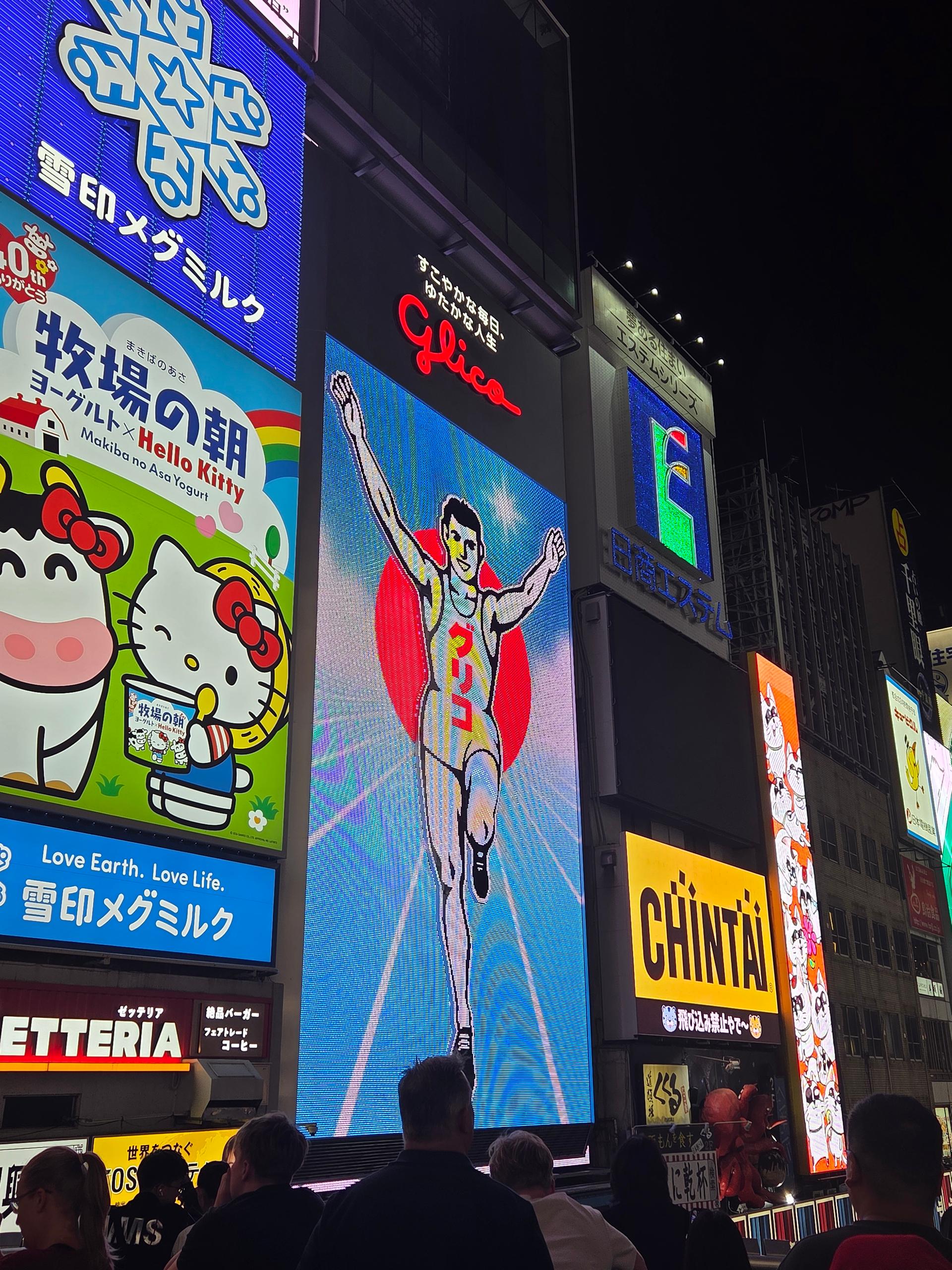
We spent our first evening around Dotonbori. The Glico sign photo was taken at 7:18 p.m., with people gathered by the bridge and advertising screens lighting up the riverside. Dinner that evening was nearby at Acchichi Honpo.
From Terminal 2 to the railway station
We arrived on Jeju Air at Terminal 2. To take the train into Osaka, we first needed the free shuttle to the railway side of the airport.
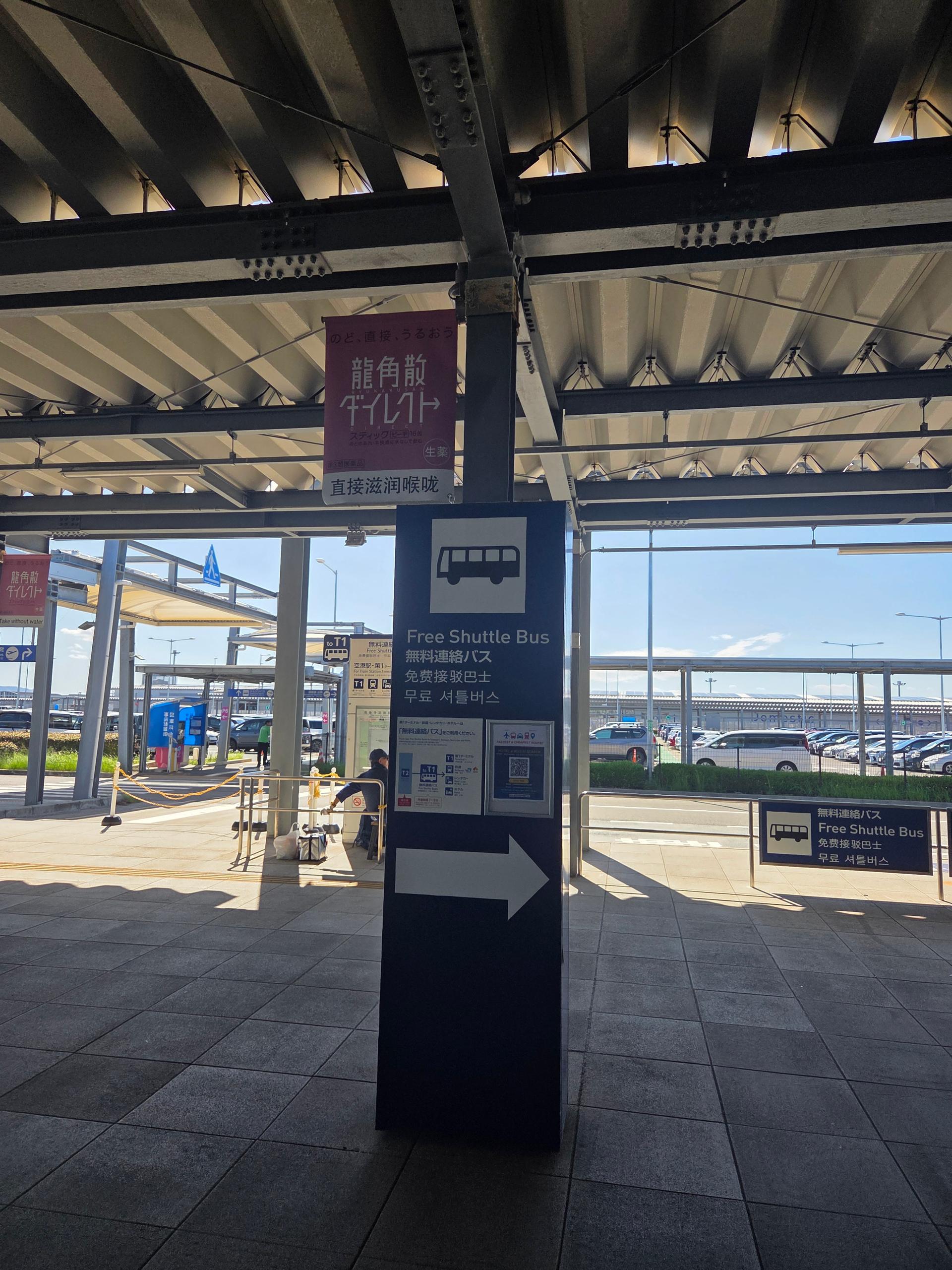
- After immigration and collecting luggage, follow the Free Shuttle Bus signs.
- Take the shuttle toward Aeroplaza. The airport lists a bus ride of about 7–9 minutes, excluding the wait.
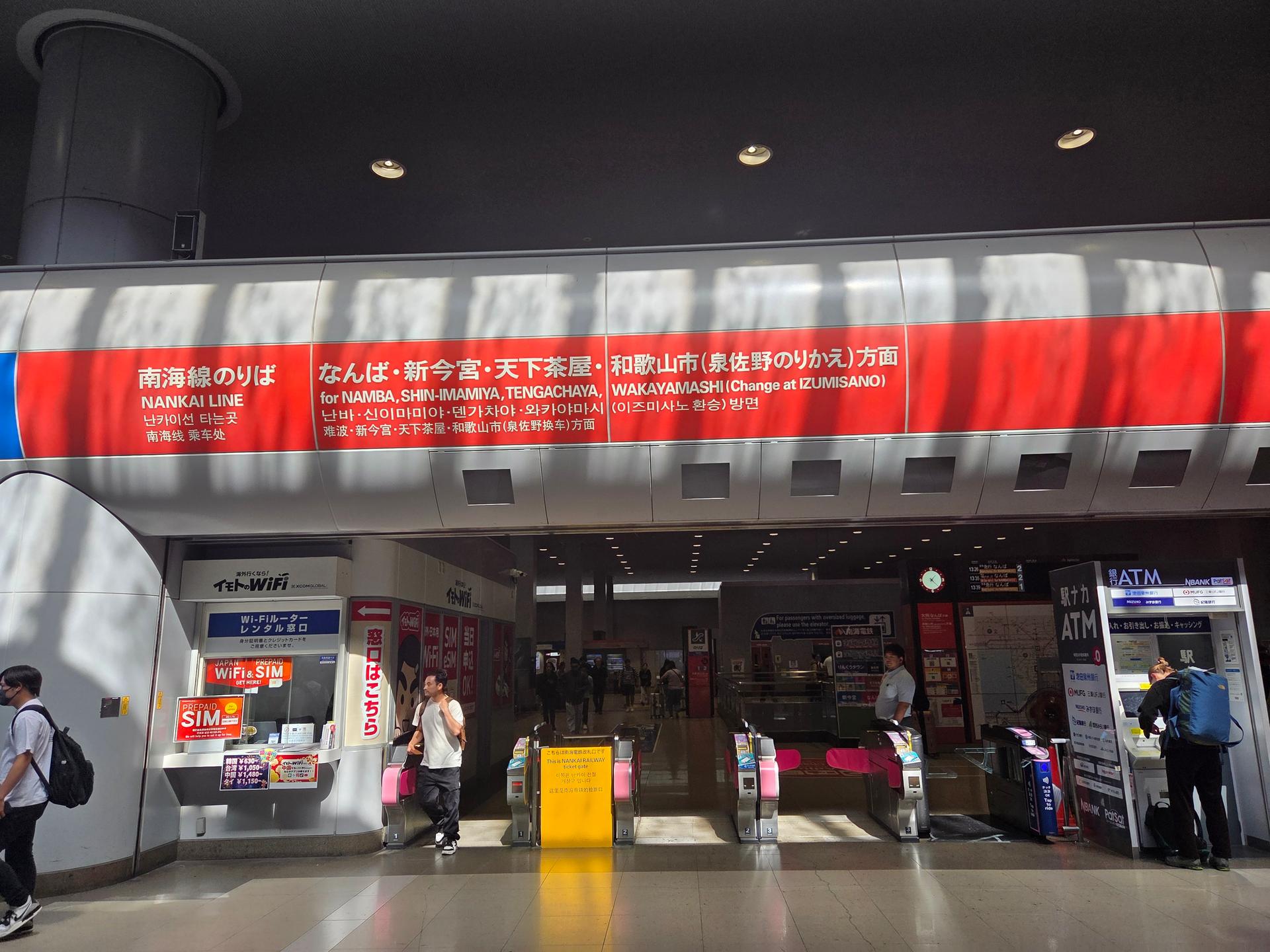
- Go to the second-floor connection for Kansai Airport Station. Follow NANKAI for Namba or Tengachaya; JR also has a separate entrance here.
- Choose the destination and train at the Nankai ticketing area, then check the departure time and any assigned car and seat before entering the gates.
See the airport’s Terminal 2 connection and Nankai’s station guide. Allow separately for immigration, baggage collection, walking and waiting; none is included in a train’s advertised journey time.
The Nankai counter and the fare board we photographed
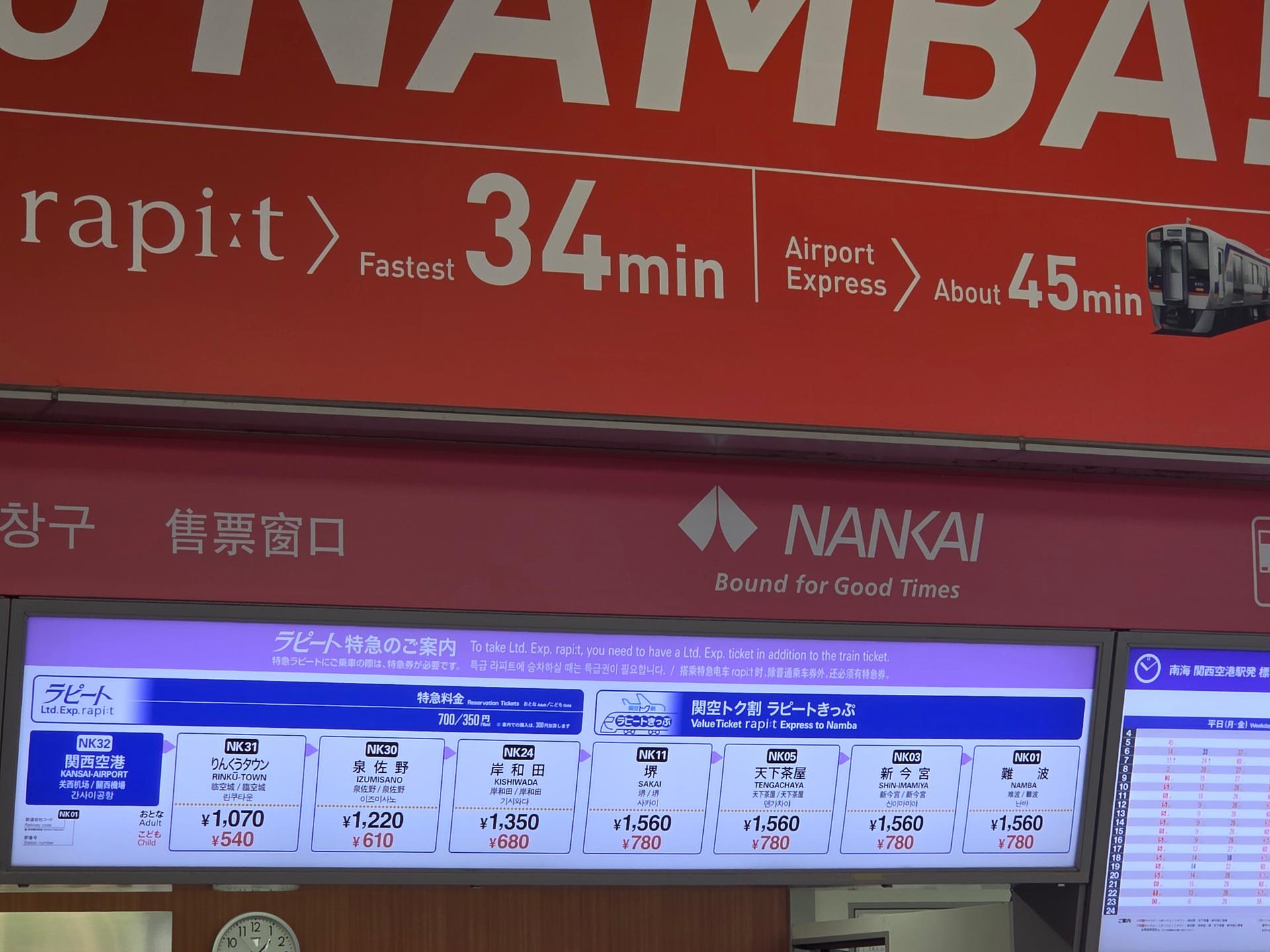
The red NANKAI counter sign made the railway’s ticketing area easy to identify. Our October 2 photo shows ¥1,560 per adult for the listed Rapi:t product to Tengachaya NK05, Shin-Imamiya NK03 and Namba NK01. The two tickets cost ¥3,120, matching our ledger.
| Destination on the board | Adult amount shown on October 2 | Our use |
|---|---|---|
| Tengachaya NK05 | ¥1,560 | Our interchange for the subway |
| Shin-Imamiya NK03 | ¥1,560 | An intermediate destination on the board |
| Namba NK01 | ¥1,560 | An option for Namba and Dotonbori |
This is a historical Rapi:t product price, not the ordinary Airport Express fare or a promise of today’s price. The board’s fastest 34 minutes for Rapi:t and about 45 minutes for Airport Express refer to the rail journey to Namba, not departure from Terminal 2.
Our tickets named Rapi:t β62, scheduled to leave Kansai Airport at 13:35 and reach its Namba terminus at 14:14. We actually got off at Tengachaya, before Namba. The terminal arrival time on the ticket is not our Tengachaya arrival or hotel check-in time.
Namba directly, or Tengachaya for our hotel
For Namba, stay on the Nankai service to Namba and continue on foot or by subway as needed. Our hotel was Premier Hotel -CABIN PRESIDENT- Osaka near Minamimorimachi, so we left Nankai at Tengachaya and changed to the Osaka Metro Sakaisuji Line. The subway fare is separate from the Nankai ticket.
The hotel is beside Minamimorimachi Exit 2; its official access guide also identifies Exit 6 for elevator access. We paid KRW 570,000 for two people for all three nights, not per night. This article records the journey and payment, rather than a detailed room review.
Opening the hotel route from the current Tripop event
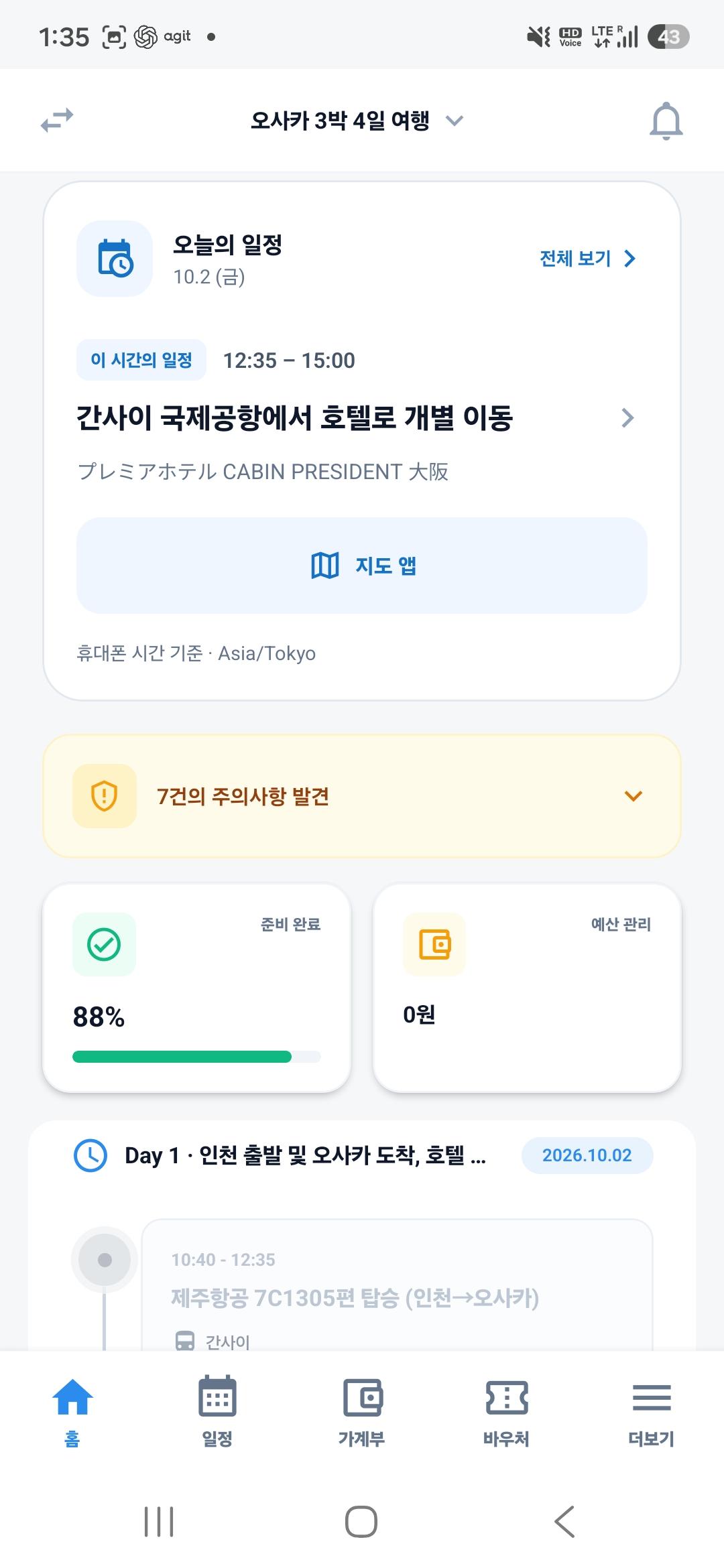
At 13:35, Tripop’s native home screen showed our 12:35–15:00 airport-to-hotel event, the hotel name and a Map app button. We tapped that button instead of typing the hotel name again.
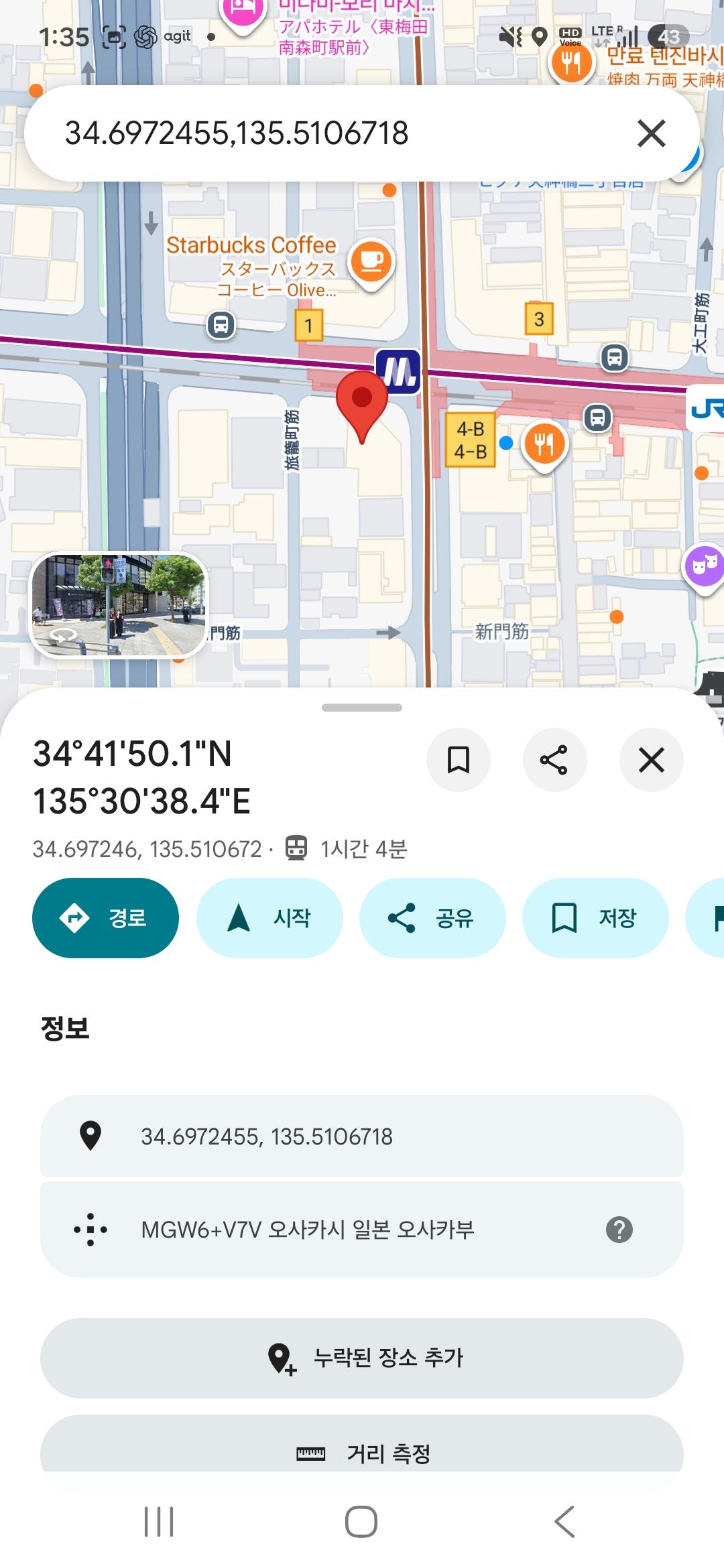
Google Maps opened at the saved hotel location. We checked the destination, selected Directions, checked the travel mode and started navigation. Tripop supplied the current activity and destination; the external map app handled the interchange and last stretch on foot. Open your own itinerary in Tripop.
The event’s time range was our saved plan, and the map’s displayed estimate belonged to that capture. Neither is a universal airport-to-hotel duration. The zero spending shown on the first-day home screenshot was before expenses had been entered.
Rapi:t reservations and the Airport Express alternative
On the return day, our desired Rapi:t was sold out, so we used an ordinary airport service. If a particular departure matters, reserve the train and seat early. Buying a voucher may still require a separate train/seat selection; check the official Rapi:t instructions. The Nankai timetable describes Airport Express as another rail option.
The KKday directory below lets you compare Osaka transport and activities. It does not itself confirm a particular Rapi:t seat: check the selected product’s direction, station, date and reservation process.
Straight into Ichiran
We visited Ichiran Umeda Hankyu Higashidori (梅田阪急東通店) at Doyamacho 3-13, as listed in the official branch guide.
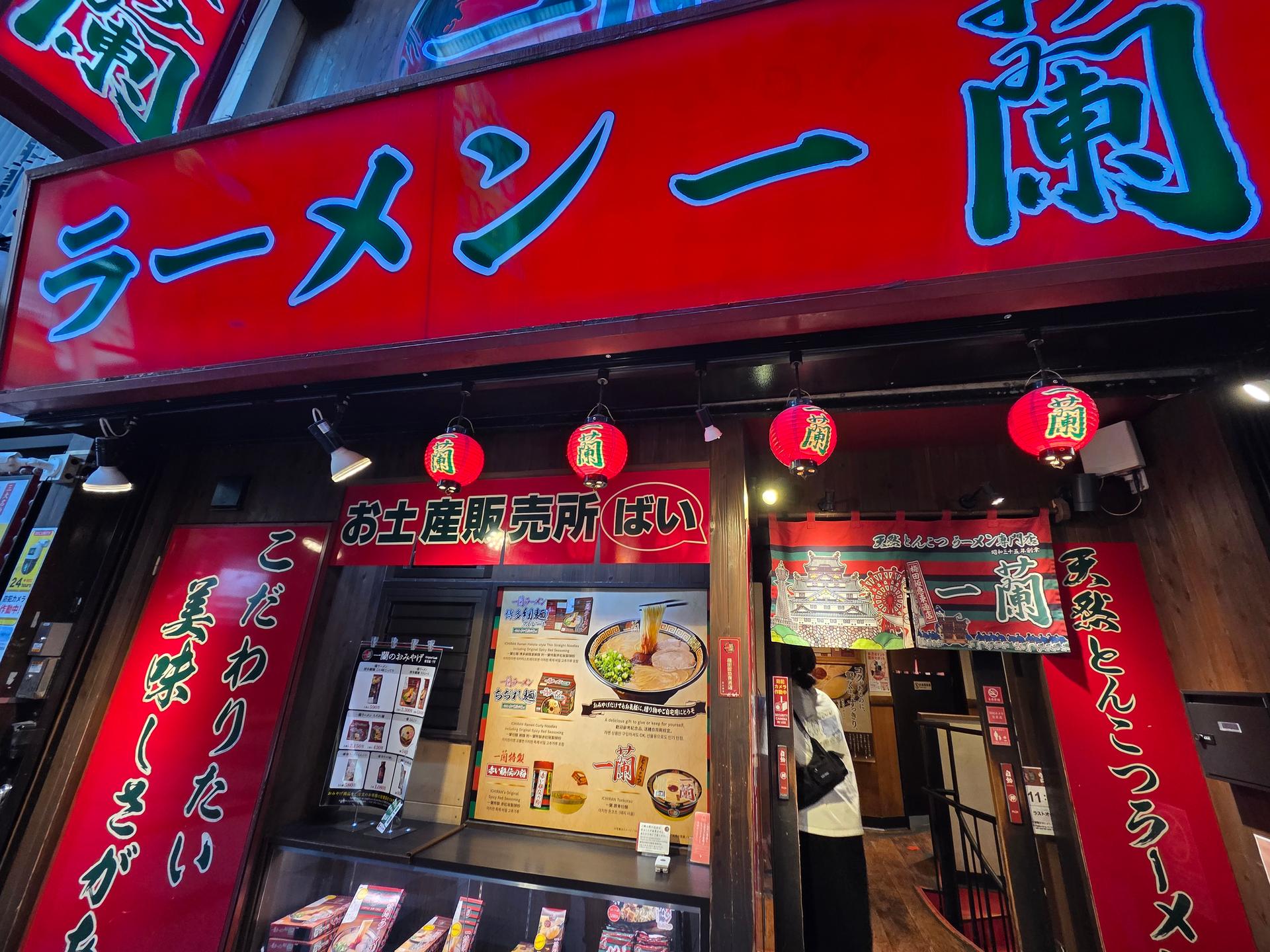
We reached Ichiran at around 3:30 p.m. and went straight in. There was no queue for our visit. The entrance led to the ordering area and partitioned counter seats; the photos show both the outside and the inside of the restaurant.
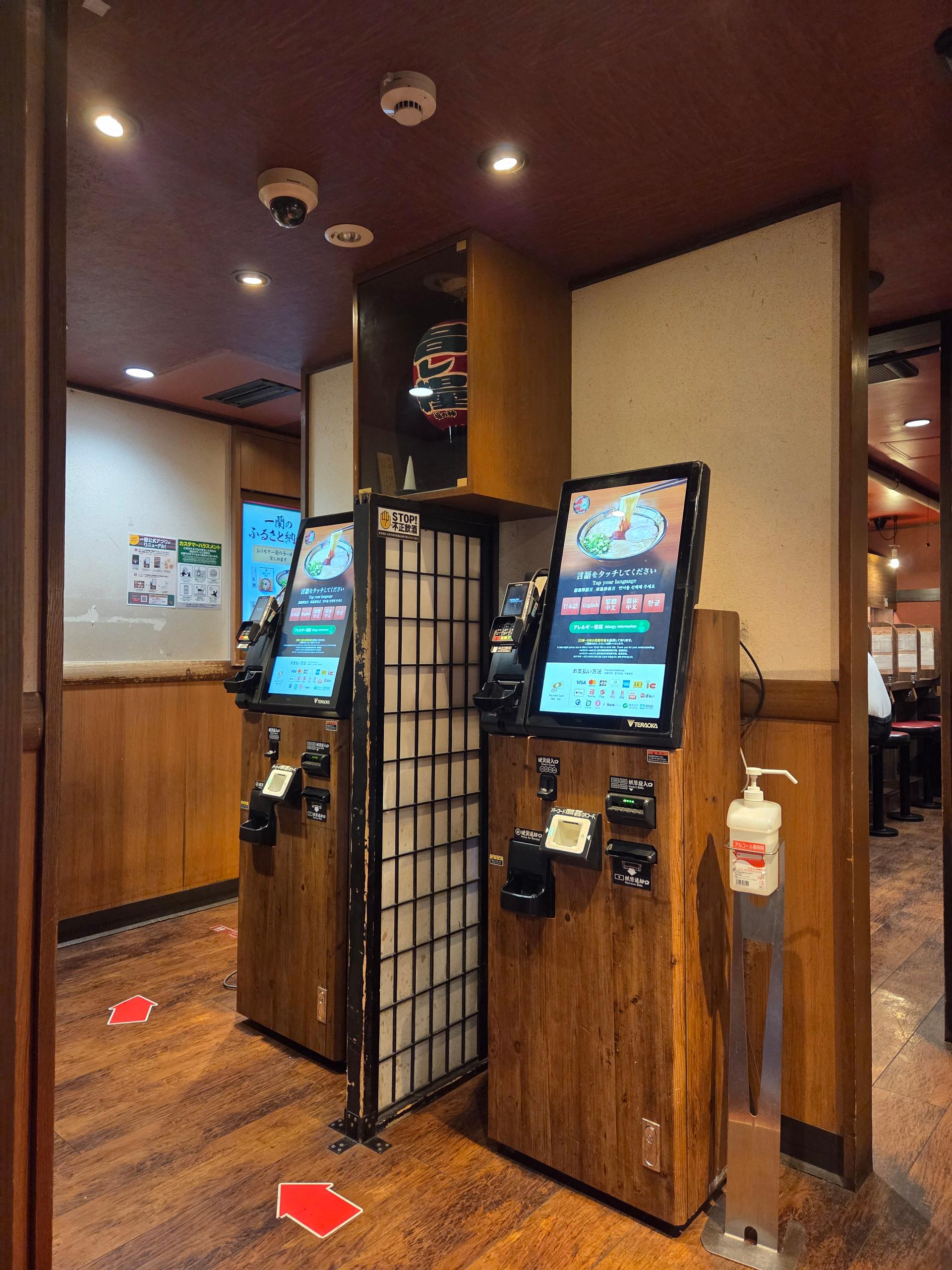
The entrance has ticket/menu kiosks with a Korean language option. Select the language, choose food and extras, and pay. This is separate from the paper preference sheet used to select broth strength, seasoning and noodle firmness.
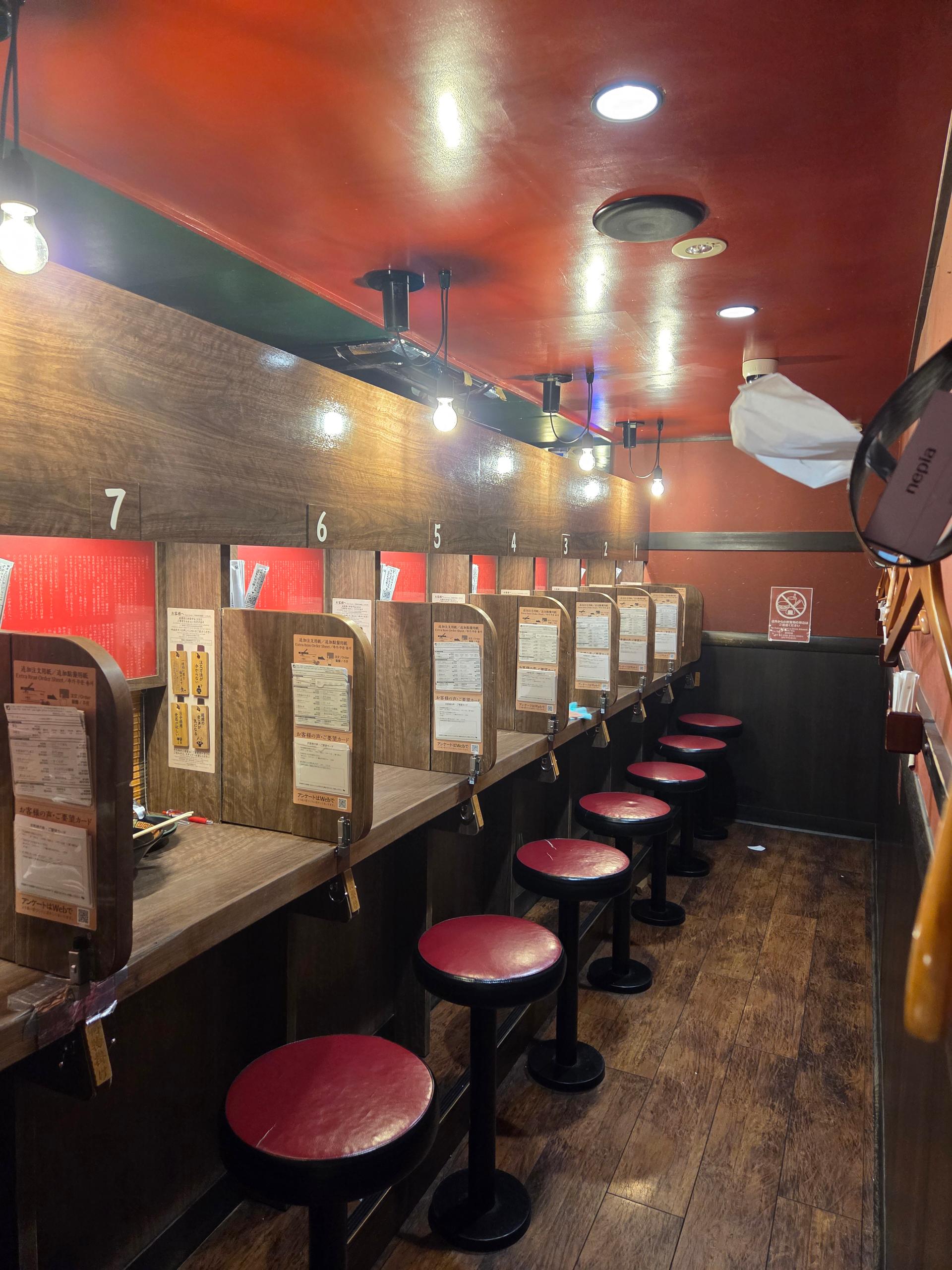
The counter was divided into individual spaces, with ordering and extra-item information in front of each seat. These interior photos help show how the meal is arranged, beyond the familiar bowl-of-ramen picture.
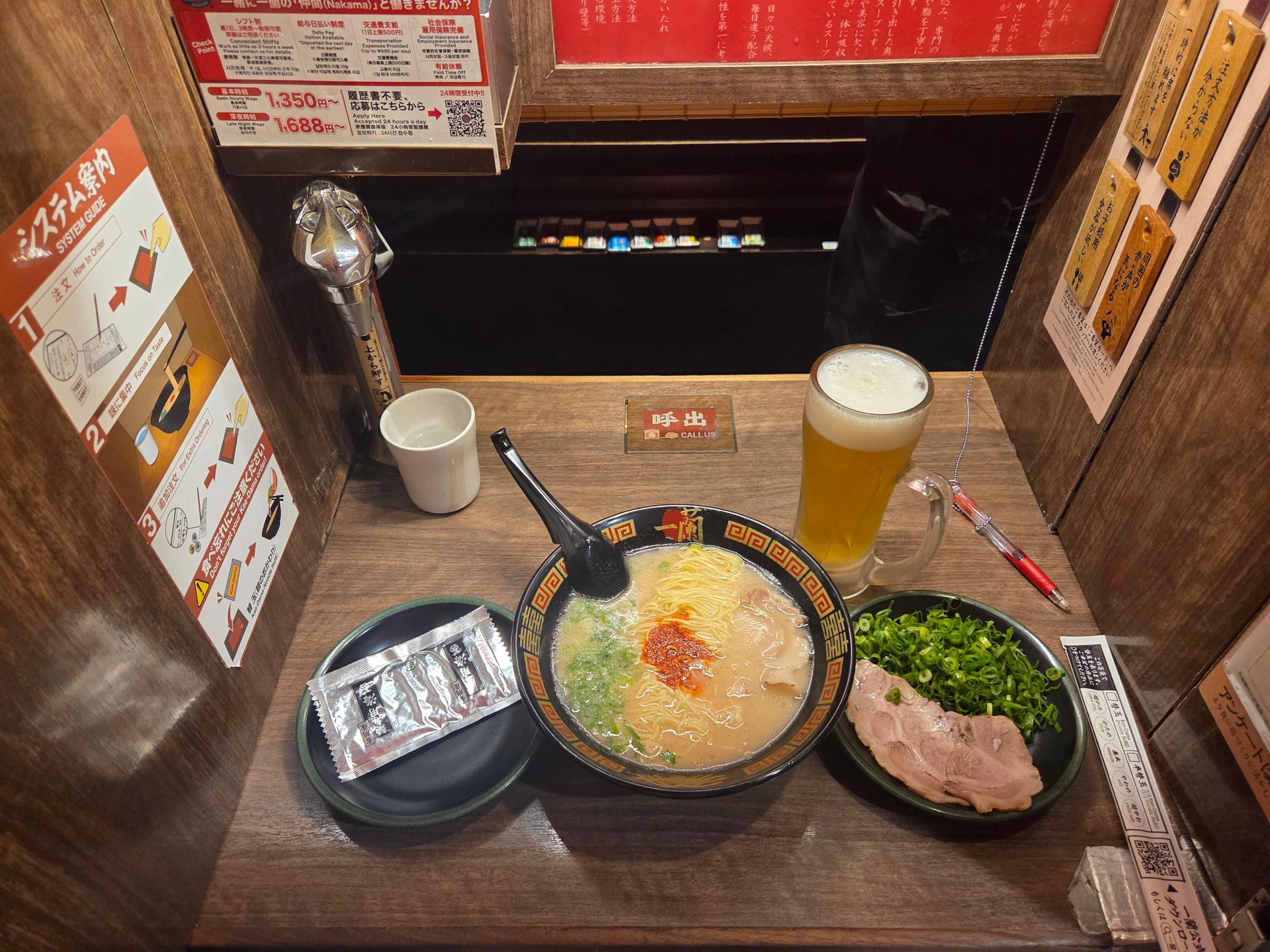
We had ramen with spring onion and sliced pork on separate plates, plus beer. We were very satisfied with the taste. Our meal entry was ¥3,870 in total; that is not the price of one basic bowl.
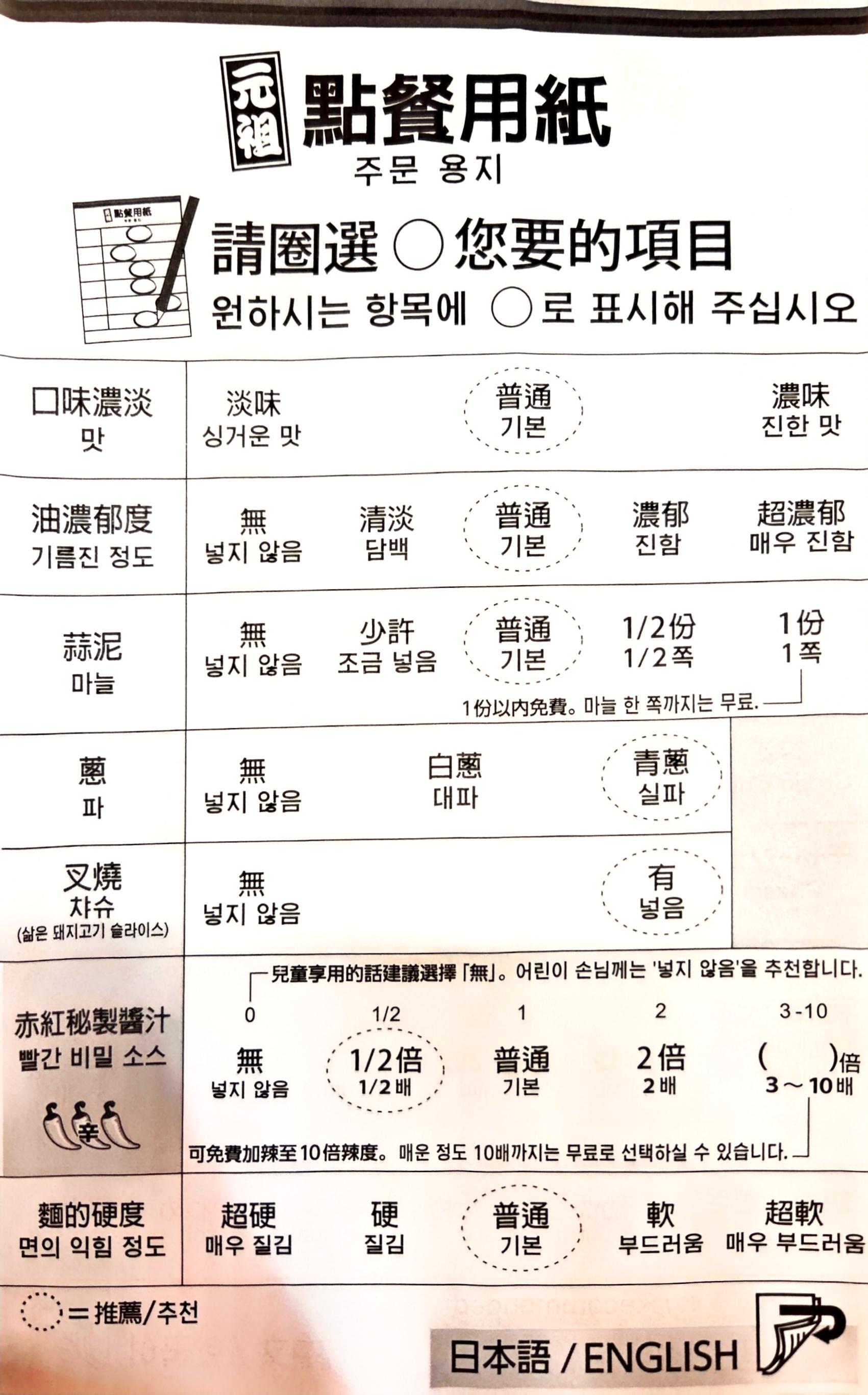
The sheet lets you choose flavor strength, richness, garlic, spring onion, sliced pork, red sauce and noodle texture individually. Korean explanations appear alongside the choices. The printed dotted circles indicate the recommended settings, not a record of which settings we selected. It is useful to look through the options before deciding how you want your bowl.
Shopping at Hanshin and Hankyu after lunch
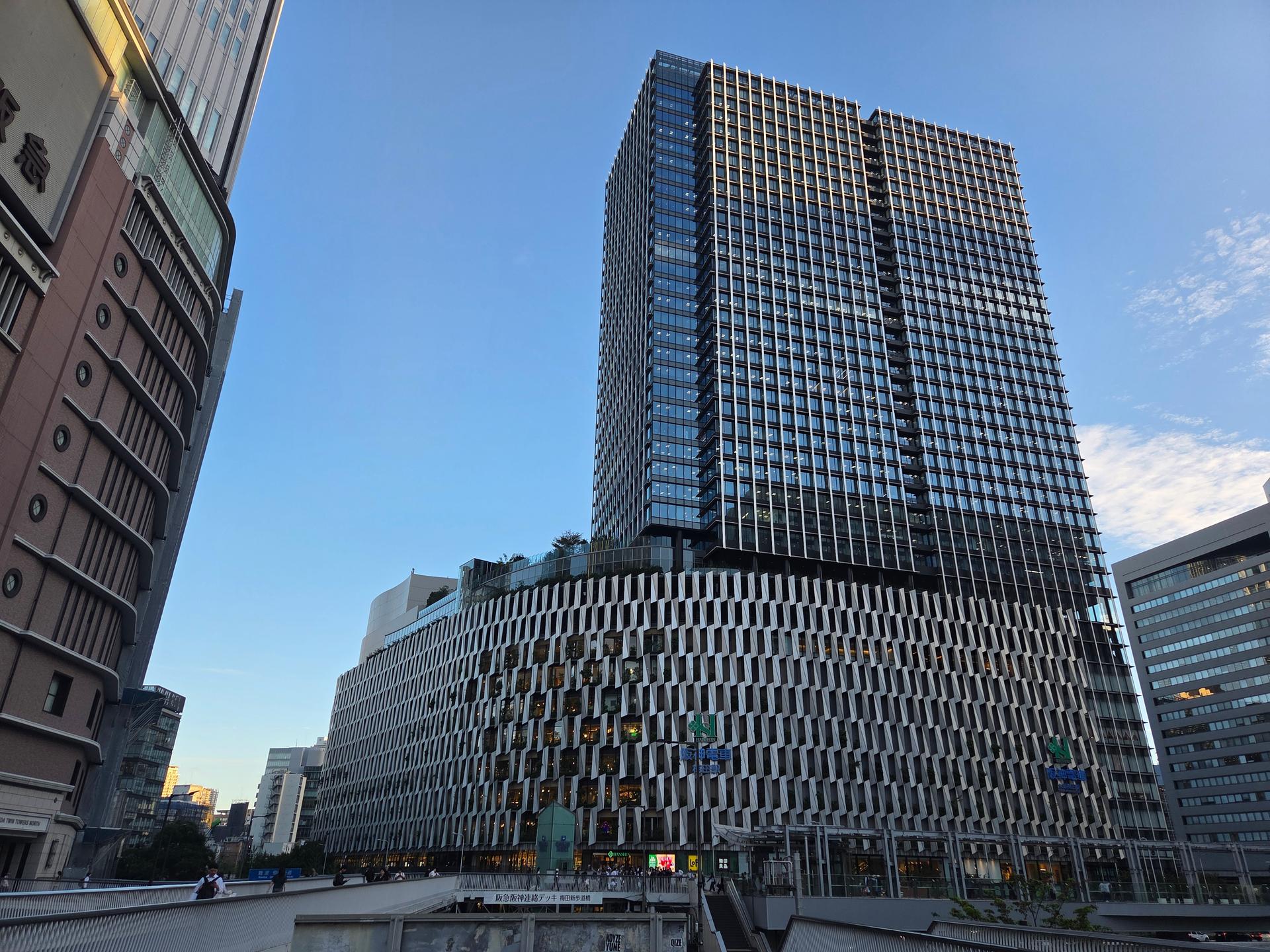
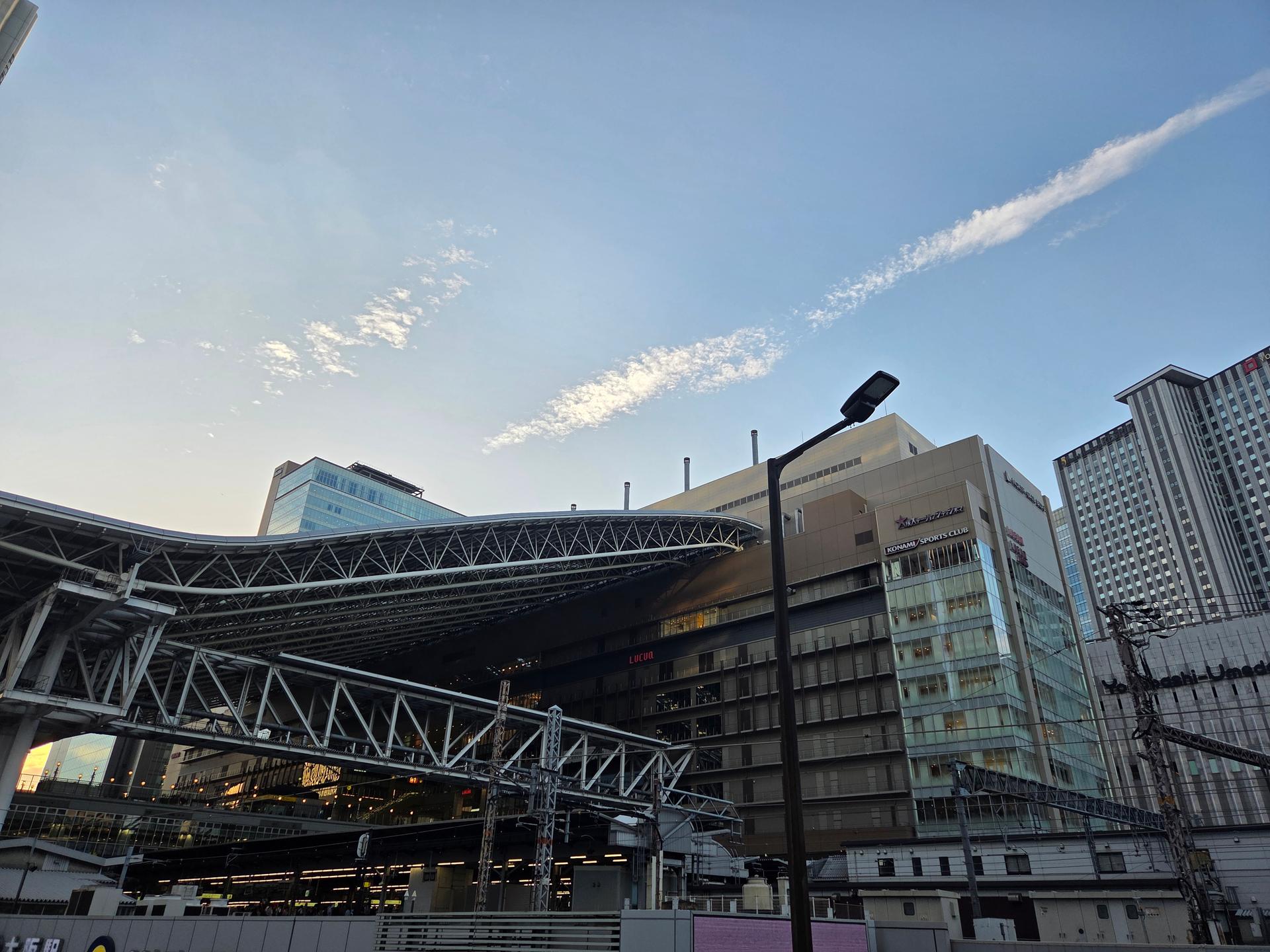
After Ichiran we shopped at Hanshin and Hankyu department stores, then headed to Dotonbori for the evening. The photos show the Hanshin building and the Osaka Station/Lucua side of Umeda. The first-day ledger total does not establish the amount spent shopping in the department stores.
Takoyaki and beer in Dotonbori
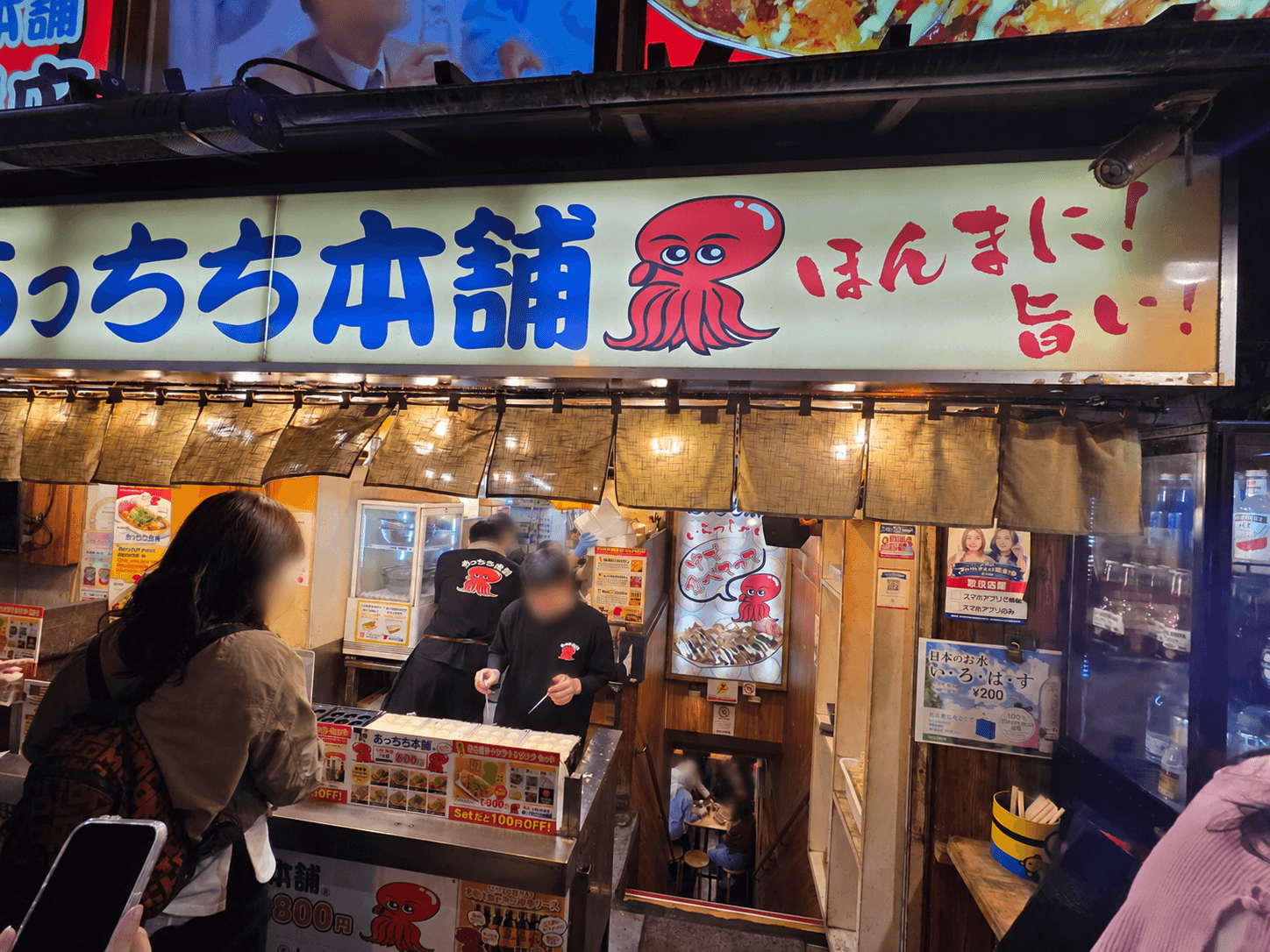
After taking the Glico sign photo, we went to Acchichi Honpo. We remembered it as the place introduced by Kangnam. A red octopus illustration sits beside the Japanese name, あっちち本舗. The restaurant's official site also lists its Dotonbori shop.
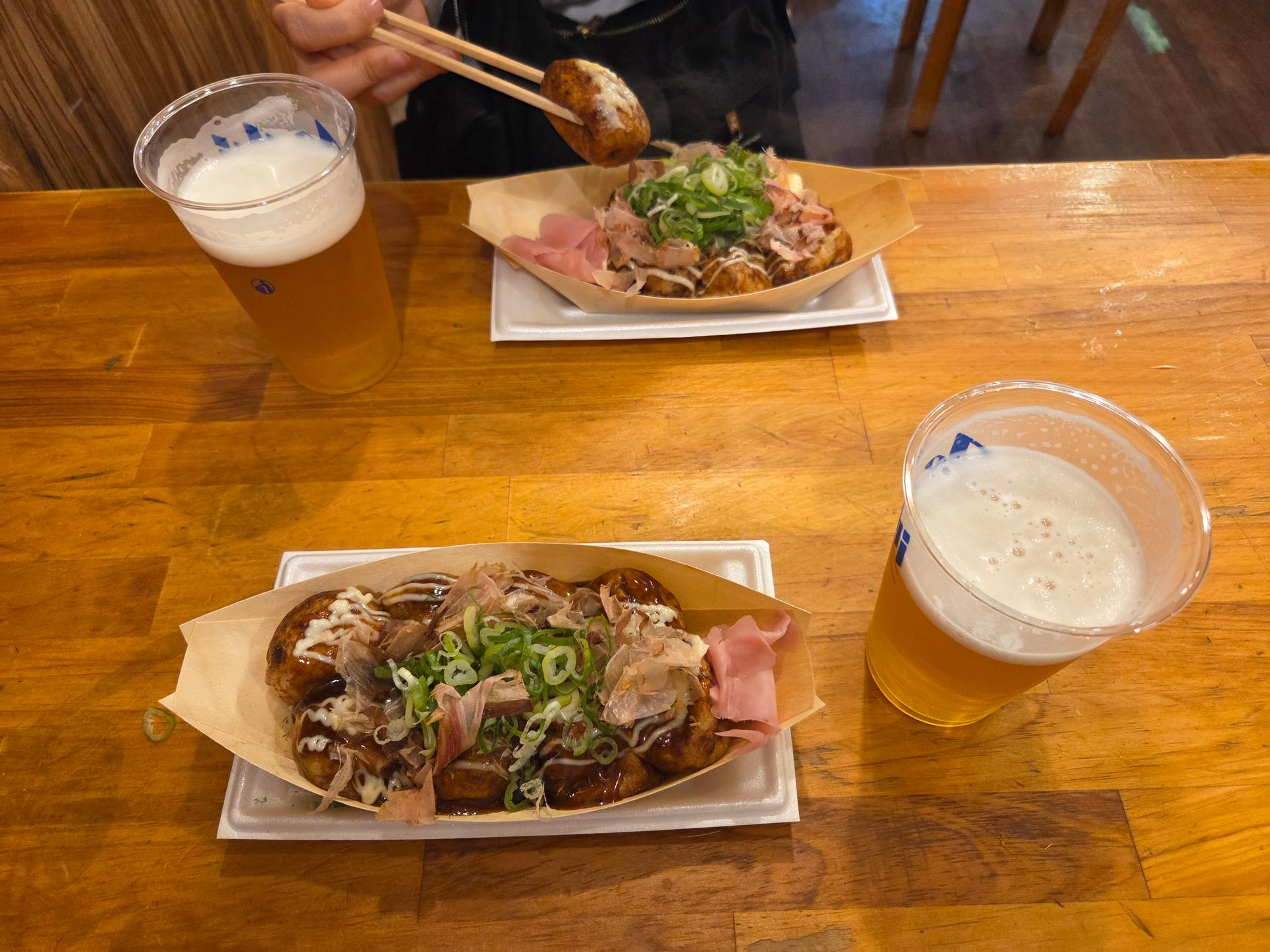
Our order was salt mayonnaise, numbered 2, and soy-sauce mayonnaise, numbered 4, with two beers. The recorded total was ¥2,400. The texture stood out: it was distinctly soft and squishy compared with the takoyaki we had eaten in Korea. That is our own comparison, and a useful expectation to set if you usually picture a crisp version.
What the first-day ¥17,811 included
| Item | Recorded amount |
|---|---|
| Two Rapi:t tickets | ¥3,120 |
| Transit-card top-up | ¥6,000 |
| Ichiran meal | ¥3,870 |
| Takoyaki and beer | ¥2,400 |
| 7-Eleven | ¥1,243 |
| Aeon market | ¥1,178 |
| Total | ¥17,811 |
The KRW values stored in Tripop add up to KRW 153,473. Flights and accommodation are separate. The ¥6,000 was money loaded onto transit cards, not a claim that we used ¥6,000 of transport on the first day. The other entries total ¥11,811.
Alongside the two restaurant meals, the first-day ledger includes convenience-store and market purchases. The next day we left Osaka for Nara and Kyoto.
The photographs were taken on October 2, 2026. Prices describe this trip, and the rail times are the schedule printed on our tickets. Tripop checked the supplied photographs, trip records and the traveler's account on October 6, 2026.
Other days from this trip
What we verified
Tripop prepared this account on October 6, 2026 from the traveler’s photographs, payment records and first-hand account. Editorial and correction policy