
In 2026, travelers across Asia are not queuing in front of landmarks. They are standing at card shop display cases, stepping into photo booths, tying on aprons in cooking class kitchens. Every country has a game it is playing right now, and a trip taken knowing that game leaves a completely different memory from one taken without it. From Seoul to Bali, here is the 2026 Asia trend map, laid out on a single page.
How to read this map
The nine trends below were all verified this summer, as of mid-2026, against current searches and press coverage. Read one section per country, and when something grabs you, follow the link to its dedicated guide, where the booking steps and walking routes are worked out in detail. They share exactly one trait: every entry is something you participate in rather than look at, which means each one slots into an existing itinerary in tidy half-day units. One caveat before you dive in. Trends are trends precisely because they move, so treat the numbers here as a snapshot and reconfirm hours, prices, and reservation conditions on official channels closer to your travel dates.
Korea: everyday experiences in a record-breaking year
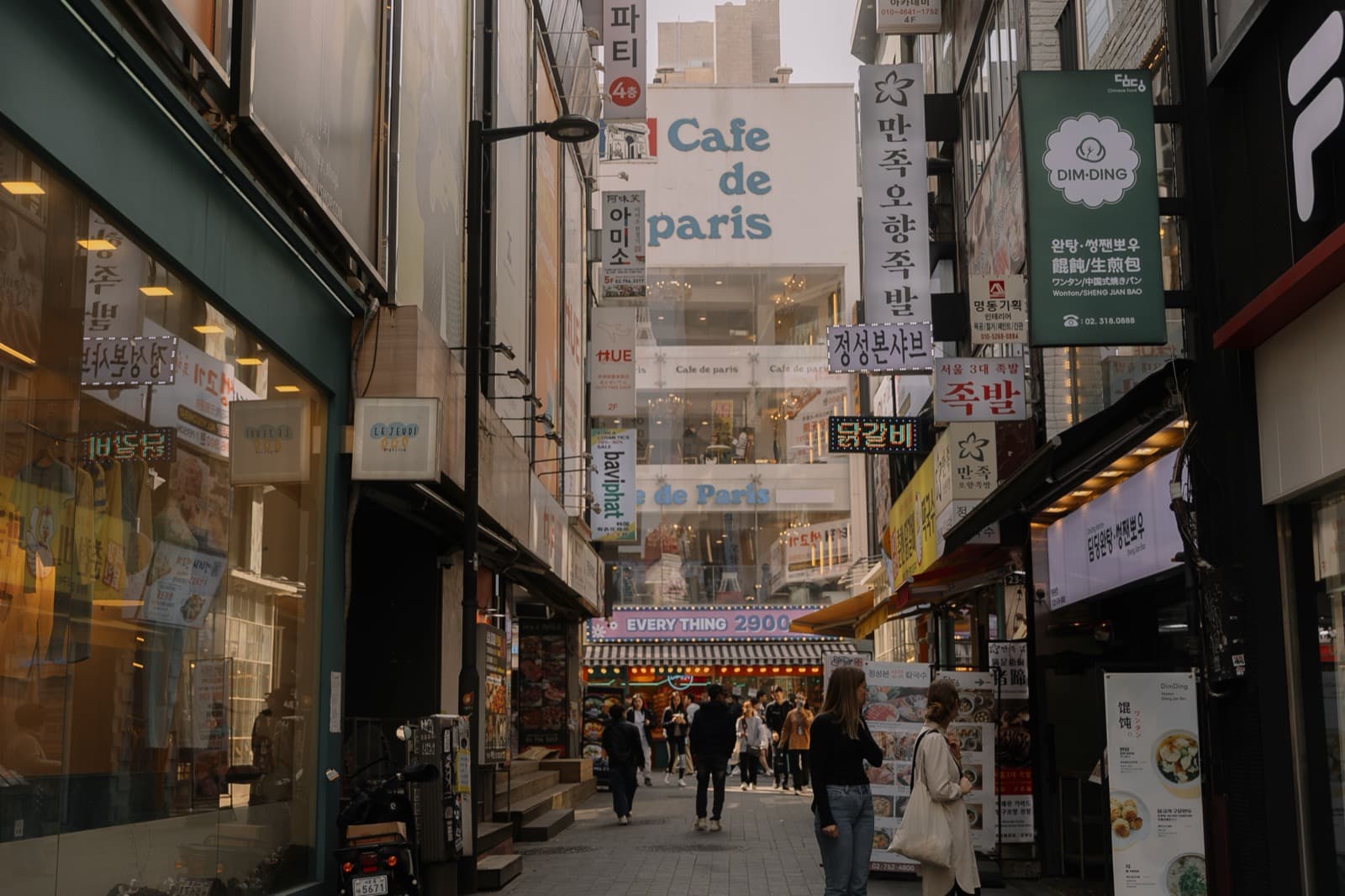
Korea is in the middle of rewriting its records. From January to May, 8.72 million foreign visitors arrived, up 21 percent, and March alone brought 2.06 million, the largest month ever recorded. What is striking is where those crowds actually go. It is not just Gyeongbokgung Palace. It is Olive Young, which 80 percent of inbound travelers now visit; Daiso, where foreigners make up more than half the shoppers at the Myeongdong flagship; the personal color studios of Hongdae, seeing 1,000 visitors a month; Life4Cuts photo booths, up 65 percent; and the bolkku scene around Dongdaemun, where you decorate and assemble a ballpoint pen of your own. A K-beauty haul, a color diagnosis, a strip of four-cut photos, a pen you built yourself: these are the new souvenirs of Seoul. The full-day course that strings all five together is in the Korea travel trends 2026 roundup.
Japan: where hobbies become the trip
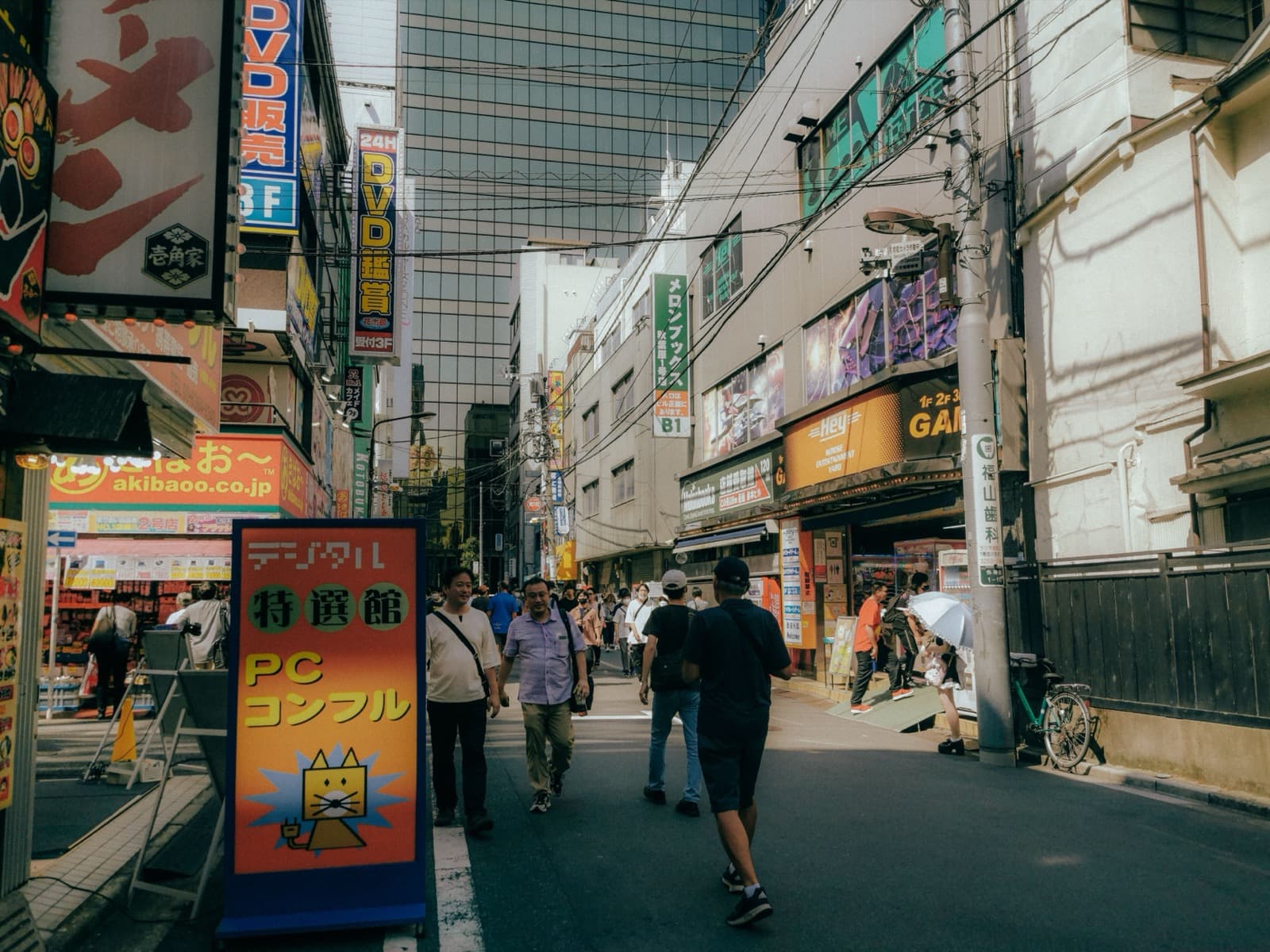
Pokemon cards have turned into a full-blown shopping pilgrimage, thanks to the premium on Japanese-print cards. There are reports of European and Australian collectors spending 350,000 to 400,000 yen per person on a single trip. The official starting point is Pokemon Center Mega Tokyo; from there the trail runs through Akihabara's card shop alley, home to stores like DON DON and Fuku Fuku Toreca, and on to Nakano Broadway, the vintage mecca anchored by Mandarake. The Tokyo Pokemon card shopping guide maps the whole circuit area by area.
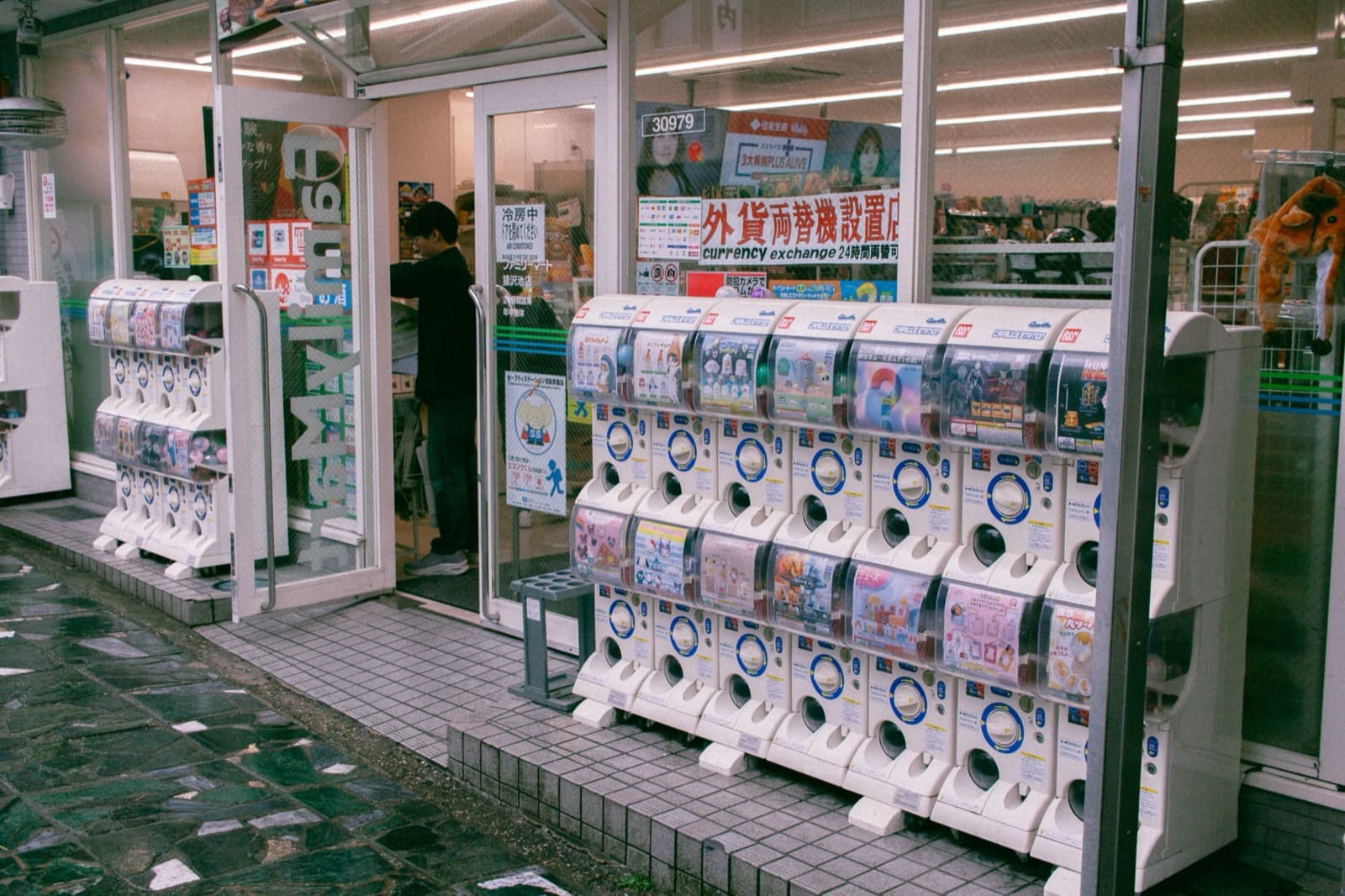
Gachapon, the capsule toy machines, are a national pastime whose market grew 60 percent in a single year to reach 115 billion yen. Shibuya's Center-gai, Akihabara, and Dotonbori are dense with machine walls, and the corner at Narita Airport exists precisely so you can empty your last coins before flying home. The gachapon guide covers where to go and how to play.
Don Quijote remains the symbol of the 24-hour tax-free haul. Spend 5,000 yen or more and you shop 10 percent tax-free, at any hour of the night. The late-night shopping strategy and the perennial basket staples are in the Don Quijote haul guide.
Taipei: from souvenirs you buy to souvenirs you make
Pineapple cake is the king of Taiwanese souvenirs, and now travelers make it themselves. At museum-style venues like Kuo Yuan Ye's Shilin branch, you work through the whole process, from pressing the dough to packing the box, and walk out carrying ten finished cakes of your own. Classes run NT$300 to NT$640, and the timing is convenient too: finish in the late afternoon and Shilin Night Market is a short walk away for the evening. The Taipei pineapple cake DIY guide comes with a booking checklist so nothing trips you up.
Hong Kong: the morning rhythm of the cha chaan teng
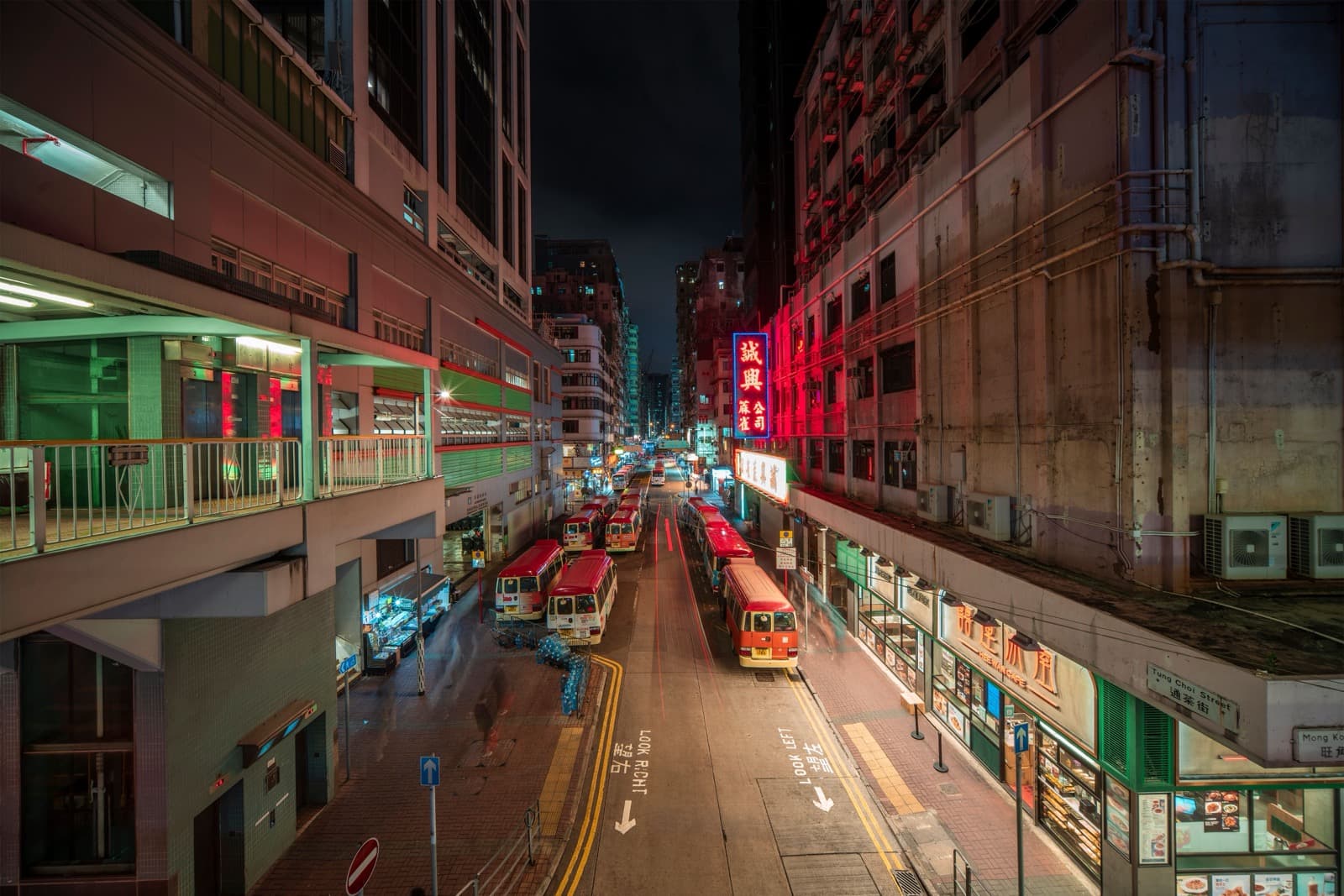
The cha chaan teng, the Hong Kong working-class diner born in the 1950s, compresses the city's daily life into a single sitting: silky milk tea, egg tarts, bolo bao, and briskly served breakfast sets. Here, the culture is as much the experience as the food. You share tables with strangers, the turnover is fast, and you settle the bill at the counter on the way out. If that sounds intimidating on a first visit, the cha chaan teng guide runs a full simulation of your first meal, so you can slide into the rhythm like a regular.
Vietnam: the salt coffee that spread from Hue to the world
Salt coffee began around 2010 at a cafe in Hue called Cà Phê Muối, and CNN coverage carried it into a global trend. The build is simple: condensed milk at the bottom, intense phin-dripped coffee above it, and a cap of salted cream on top. Its charm is the two faces in one glass, a sip before you stir and another after, when the salt pulls the sweetness and the bitterness together. From the original shop in Hue to the cafes of Da Nang and Nha Trang, the Vietnam salt coffee guide covers where to drink it and how.
Bangkok: cooking classes that start at the market
Bangkok's signature experience is a half-day cooking class that begins with grocery shopping at a local market such as Silom. You pick out herbs and produce alongside your instructor, then cook your way through pad thai, green curry, tom yum, and mango sticky rice. No cooking skill is required, and the recipe cards that follow you home turn out to be the rare souvenir you actually use. The Bangkok Thai cooking class guide explains how to choose a class and book it.
Bali: beach clubs worth a whole day
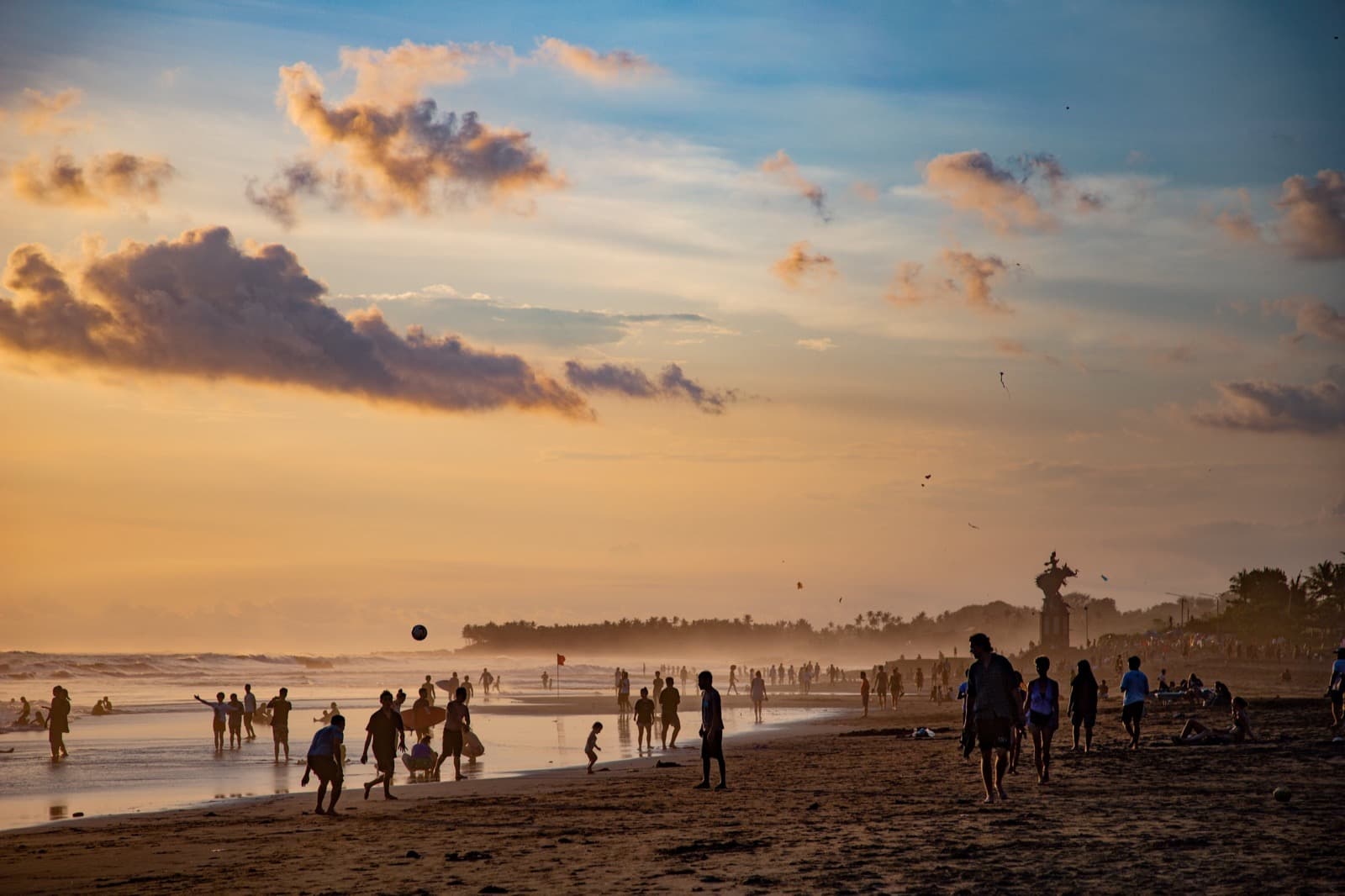
The center of gravity in Bali travel has shifted to the beach clubs of Canggu. Two names dominate. FINNS stretches along 170 meters of beachfront, entry is free, and a daybed booking of 300,000 to 500,000 rupiah converts into food and drink credit. Atlas, meanwhile, bills itself as the world's biggest beach club. The right way to do either is to give it a whole day, from a late-morning swim through the pools all the way to the sunset that closes it out. The Bali beach club guide lays out that day hour by hour.
The formula for adding trends to your itinerary
All nine trends share the same usage formula: lock in the city's base itinerary first, then slot the trend in as a half-day unit. For Tokyo, take the Tokyo 4-night 5-day itinerary and give Akihabara half a day. For Bangkok, take the Bangkok 3-night 5-day itinerary and hand one morning to the cooking class. For Bali, take the Bali 4-night honeymoon itinerary and set aside one full day for the beach club. The base plan covers the essentials of the city; the trend unit is what makes the trip feel like 2026.
At a glance
- Korea: Olive Young and Daiso hauls, plus personal color, Life4Cuts, and bolkku, amid record inbound travel
- Japan: Pokemon card pilgrimages, a 115-billion-yen gachapon boom, and late-night tax-free Don Quijote
- Taipei: pineapple cake DIY (Kuo Yuan Ye Shilin) / Hong Kong: cha chaan teng mornings
- Vietnam: salt coffee (born in Hue) / Bangkok: market-tour cooking classes
- Bali: a full day at a Canggu beach club (FINNS, Atlas)
- The formula: base itinerary plus half-day trend units, and reconfirm figures and conditions before you go
How to build the itinerary
In Tripop, you can layer a trend onto a trip in one line. Ask for something like "Tokyo, 4 nights 5 days, add a half day for Pokemon cards and gachapon" and the AI places it where it fits your route, instead of leaving you to shuffle time blocks by hand. Booking vouchers attach to the itinerary and open offline, so a class confirmation or a beach club booking is right there even without a connection. And since every country on this map bills in a different currency, the foreign-currency expense tracker sorts your spending with exchange rates applied. Whichever city in Asia you choose, the trip you take knowing what is trending is the one that leaves the deeper memory.
Images: Pexels (Eky Rima Nurya Ganda: Akihabara; Elina Volkova: Myeongdong; Jimmy Chan: Hong Kong neon; Giuseppe Macri: gachapon; Peggy Anke: Canggu sunset), Pexels License.