
Tokyo Travel Guide (2026)
Japan's capital, where tradition and the cutting edge overlap in a single city. Asakusa's old temples and Shibuya's neon, Michelin dining rooms and back-alley ramen shops all sit within a few subway stops. Easy access, spotless safety and endless things to see make it a favorite first trip abroad.
- Recommended stay
- 4–5 days recommended
💰 As of 2026, a 4-night Tokyo trip for two costs about US$1,935–US$3,650 in total, US$965–US$1,825 per person. 4-star hotel · 2 adults · 1 room. See full cost breakdown →
Food & dining
The world's most Michelin-starred dining city. It runs deep, from classic sushi, ramen, soba and tempura to izakaya and desserts, and spans every price point, from the seafood of Tsukiji Outer Market to a single bowl of ramen worth queuing for.
Getting around
Linked to the city from Narita (NRT) and Haneda (HND) by the Narita Express, Keikyu Line and limousine buses. Within town, the JR Yamanote Line and Tokyo Metro form a dense web that reaches everywhere by subway. A single IC card (Suica/Pasmo) makes it easy.
Highlights
Senso-ji (Asakusa), Meiji Shrine, Tokyo Skytree, the Shibuya Scramble Crossing, Tsukiji Outer Market.
Places to visit

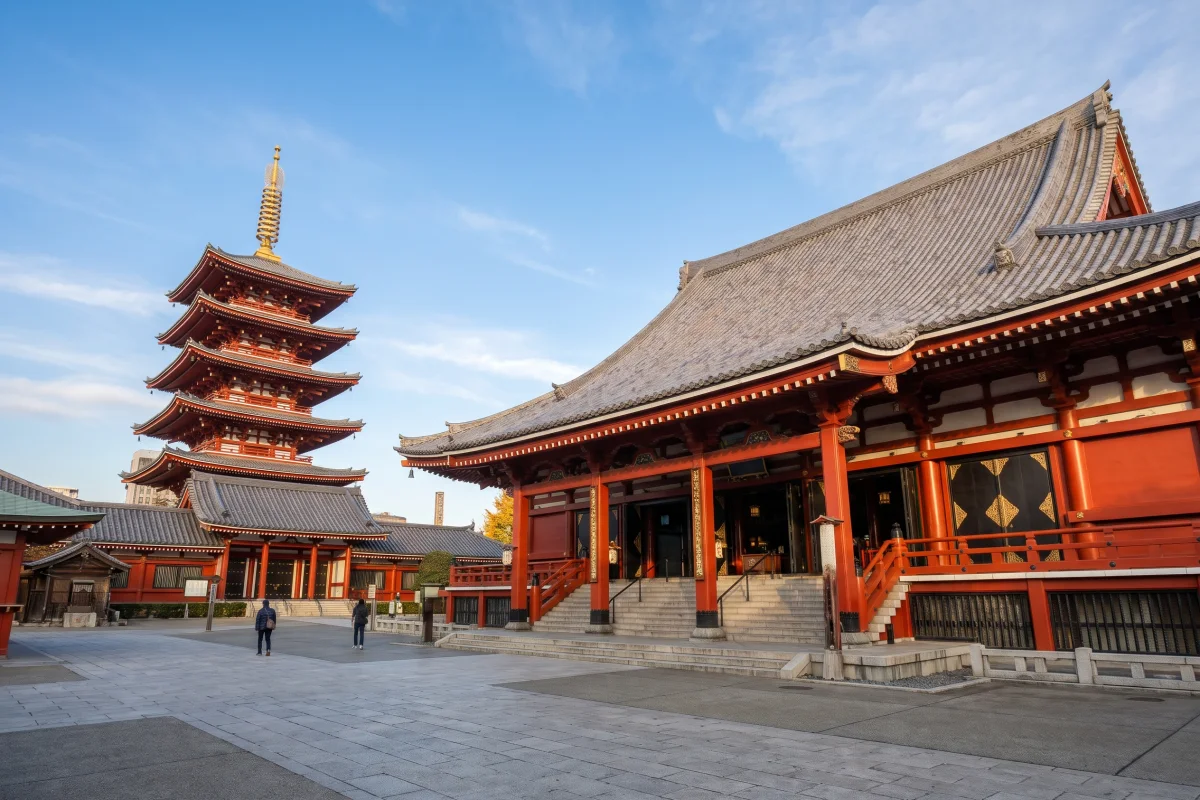
Senso-ji (Asakusa)
Tokyo's oldest temple, founded in 628. Famous for its giant Kaminarimon gate and the Nakamise shopping street.

Meiji Shrine
A shrine in a 70-hectare man-made forest of 110,000 trees beside Harajuku, a calm walk in the heart of the city.

Tokyo Skytree
At 634m, Japan's tallest tower. Two decks at 350m and 450m look out over the city.
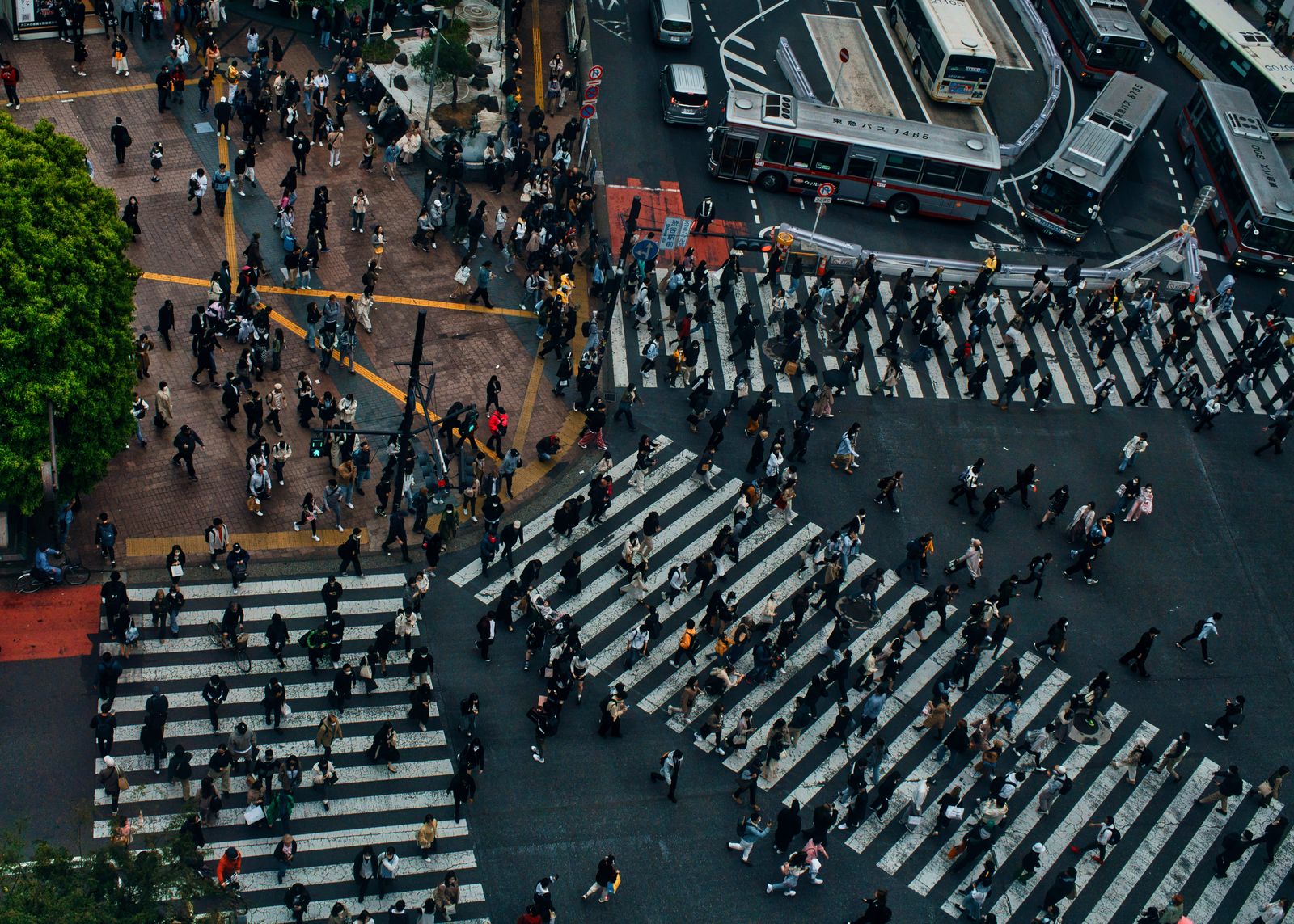
Shibuya Scramble Crossing
The world's busiest crossing, with up to 3,000 people at once. A symbol of Tokyo.

Tsukiji Outer Market
Tokyo's largest food market, with 460-plus shops. Famous for fresh sushi and seafood skewers.

Ichiran Ramen (Shibuya)
The flagship Hakata-style tonkotsu chain, famous for solo booth seating. A Shibuya favorite.
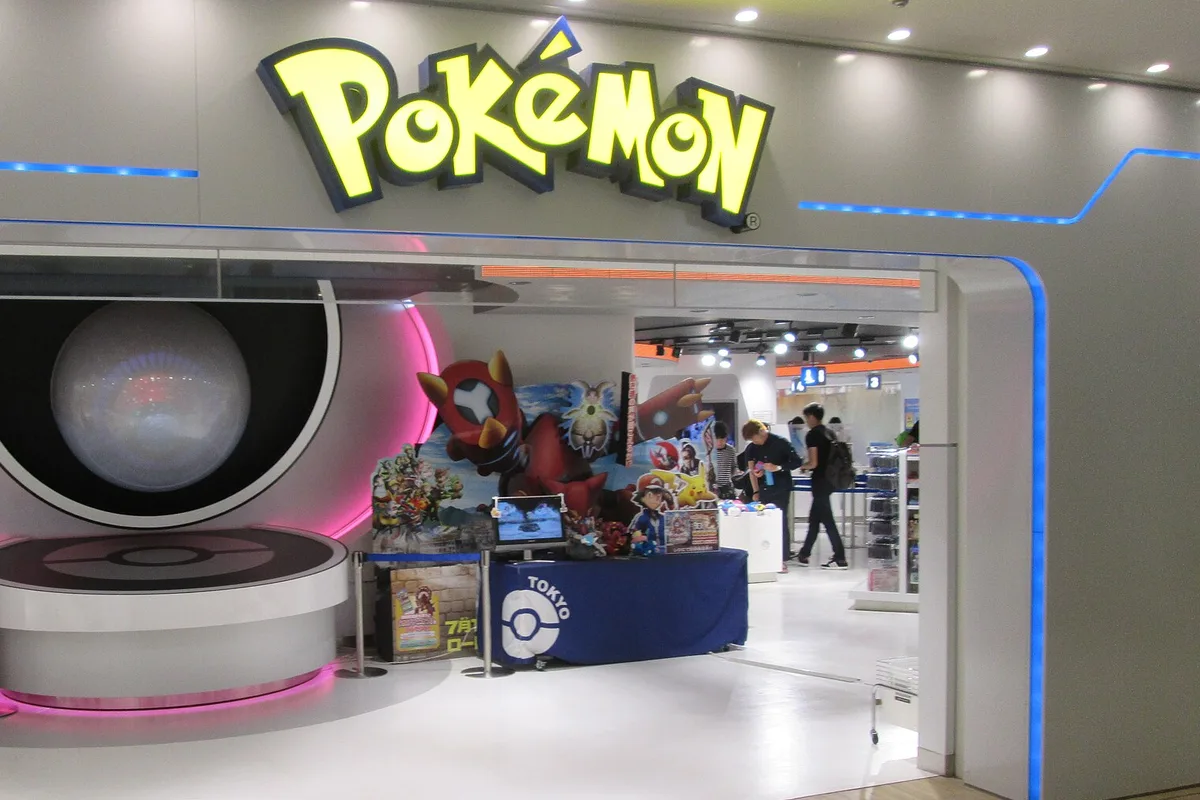
Pokemon Center Mega Tokyo: The Official Flagship
The flagship official store for new packs and store-limited goods at list price.
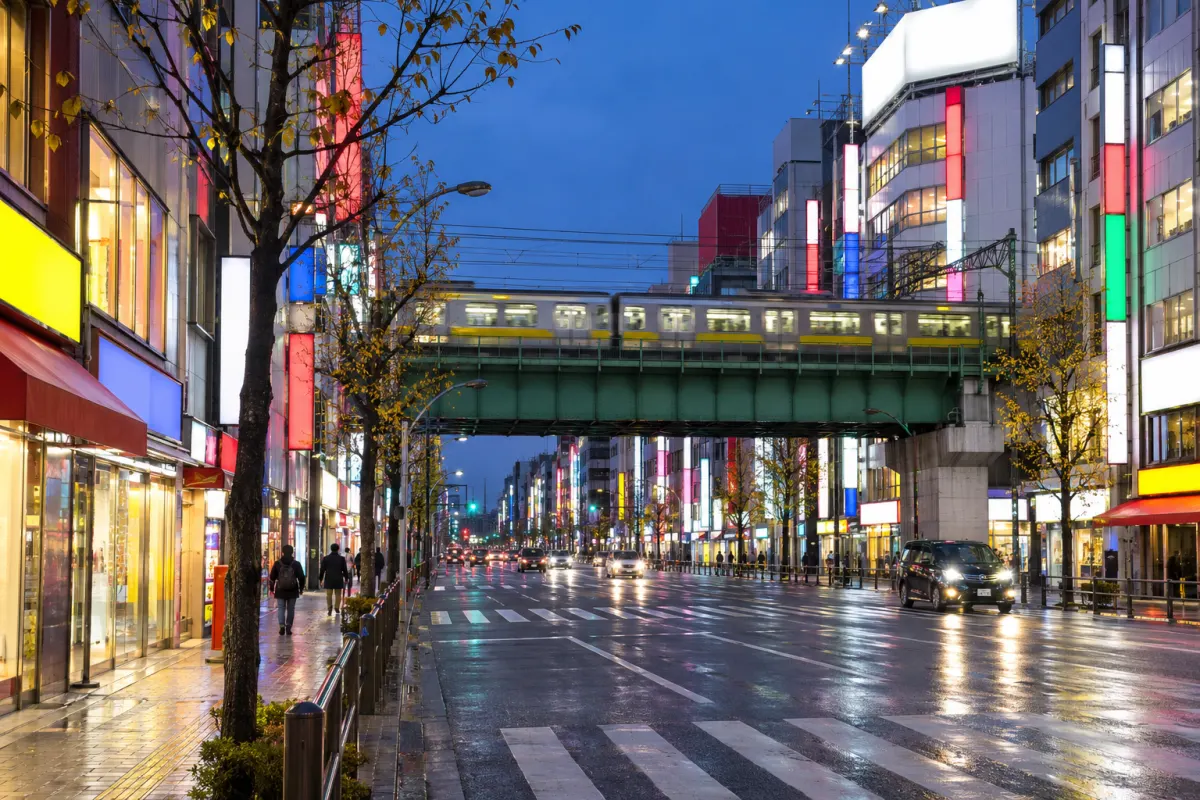
Akihabara Card Shop Alley: Singles Hunting Central
Hidden card shops stack floor upon floor here; comparing prices is half the sport.
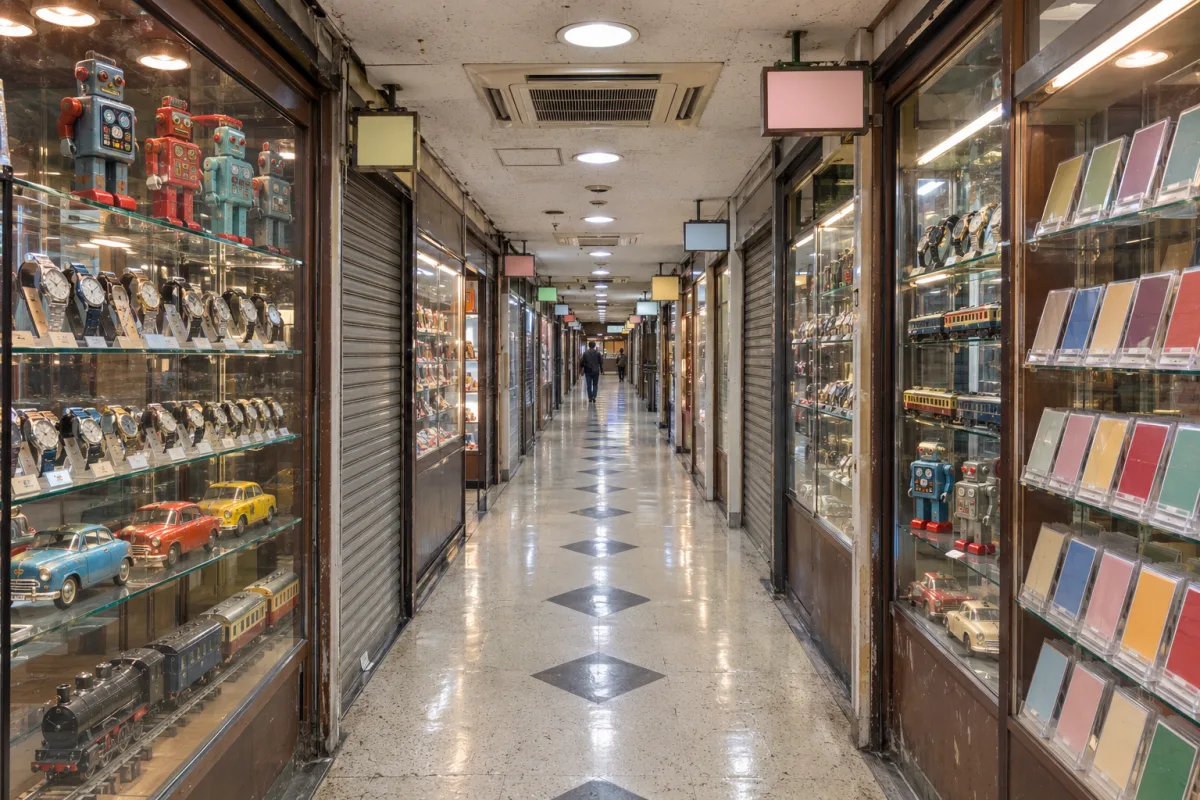
Nakano Broadway: Vintage Card Mecca
The subculture arcade housing Mandarake, journey’s end for vintage and PSA-graded card hunters.
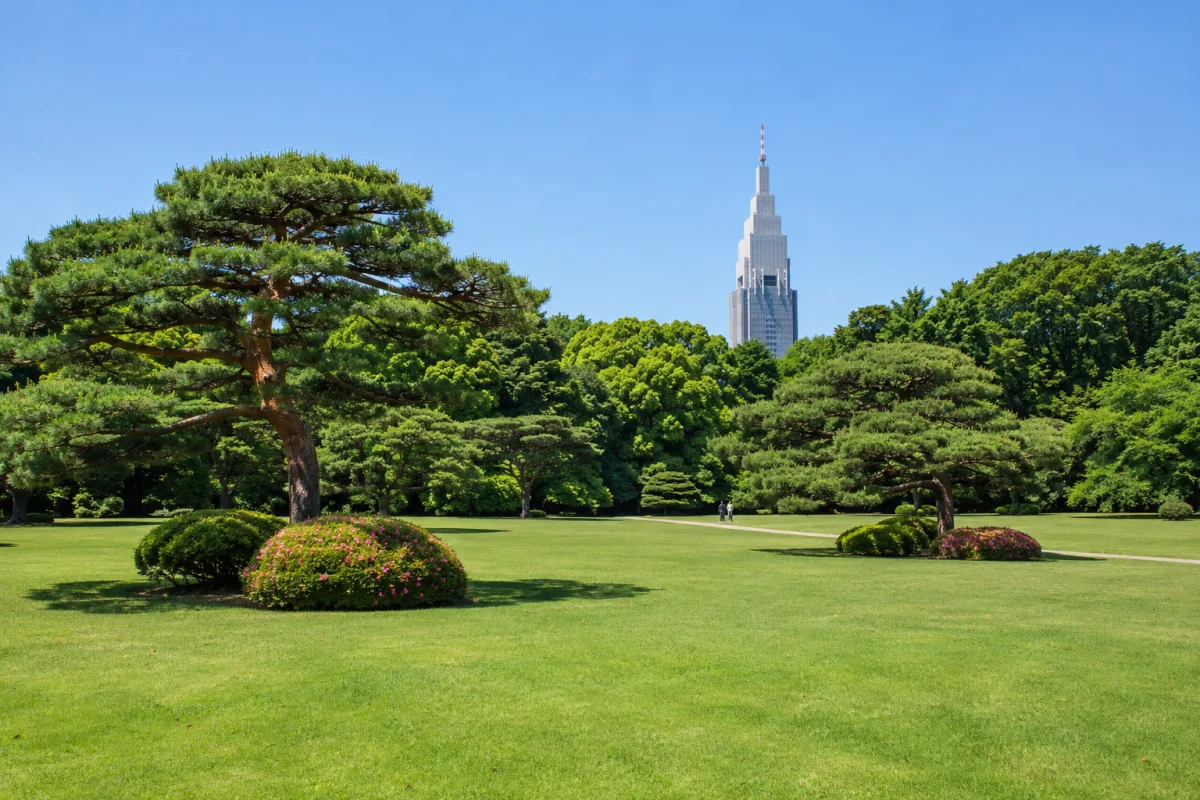
Shinjuku Gyoen National Garden
Wide lawns and mature trees for a walk within the city.
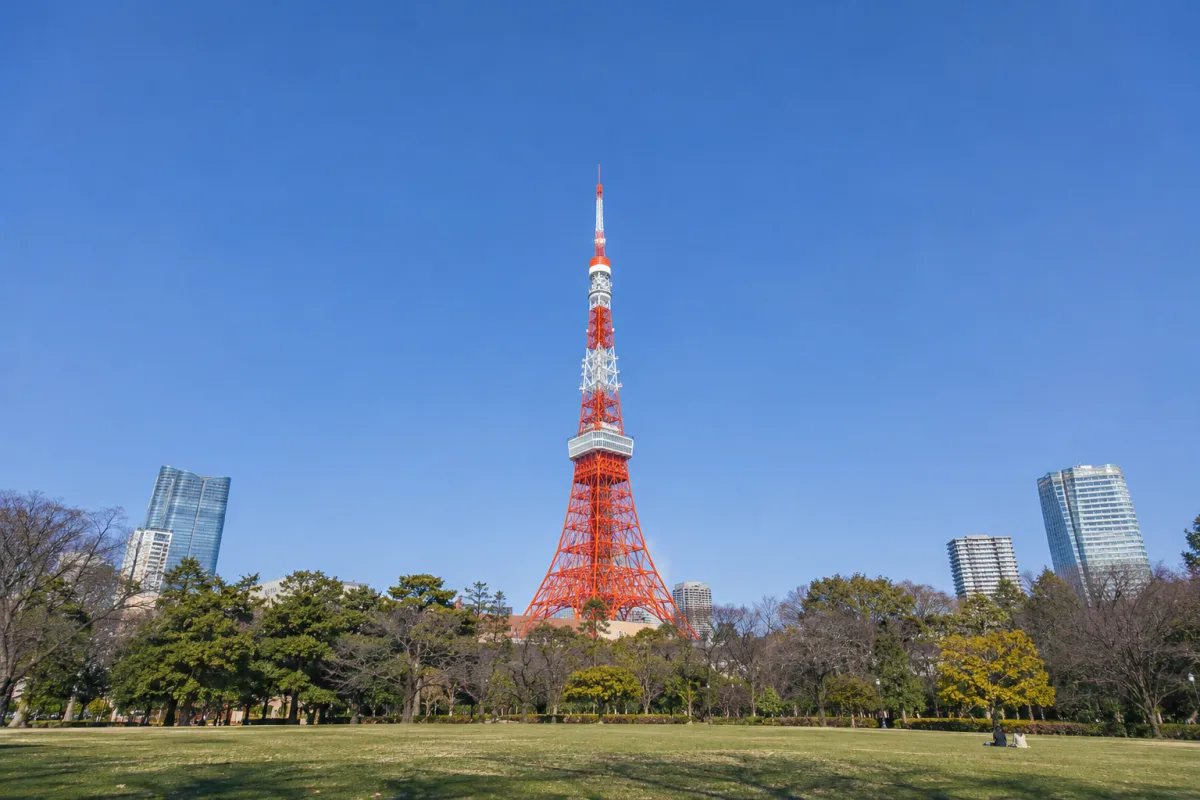
Tokyo Tower
Two observation heights offer different perspectives on Tokyo.
Itineraries
Tokyo 4-Day Christmas Illumination Itinerary: Marunouchi, Roppongi, Ebisu and Shibuya from the 4:30 pm Sunset (2026 Lighting Dates, Plans by Arrival Date, Costs)
A 3-night, 4-day Tokyo trip arriving between December 9 and 19, 2026. Stay in Ginza/Yurakucho and see Marunouchi Naka-dori and the Gyoko-dori Christmas market on arrival night; the Shiba Park Christmas market, Tokyo Tower at sunset, Azabudai Hills, Roppongi Hills and Tokyo Midtown on day two; Yebisu Garden Place and the Ao no Dokutsu blue illumination in Shibuya on day three. We set out evening plans by arrival date (including December 24 and 25), airport transfers and per-person costs, and checked event dates and fees against official sources on November 12~13, 2026.
Tokyo 5-Day Art Museum Itinerary: One Day Each in Takebashi, Roppongi and Ryogoku, Built Around Closing Days (Exhibitions and Costs)
A practical 4-night, 5-day Tokyo itinerary for travelers whose main purpose is museums. Stay four nights near Tokyo Station and spend one full day each at the National Museum of Modern Art (MOMAT) in Takebashi, the National Art Center in Roppongi, and the Sumida Hokusai Museum plus the reopened Edo-Tokyo Museum in Ryogoku. 2026 changed many numbers: JR fares and Tokyo subway passes rose on March 14, contactless credit-card entry started on the subway on March 25 but still does not work on JR, and the Louvre exhibition switches to date-and-time entry tickets from December 7. Checked against official sources in October 2026.
Tokyo Pokémon Card Shopping Guide: Where and How to Buy Japanese Cards
The official route is the Pokémon Center. Tokyo has several large stores, with Pokémon Center Mega Tokyo in Ikebukuro as the flagship example, where you...
Tokyo 5-day itinerary: Shinjuku, Shibuya, Asakusa and Disney
Plan four nights in Shinjuku with a day-by-day Tokyo route, Narita and Haneda transfers in both directions, observatory and Disney booking conditions, and practical swaps for rain or an early flight.
Trip cost
2 adults · 1 room
Good to know before you go
When is the best time to visit Tokyo, and when should I avoid it?
Tokyo's sweet spots are late March–May, when cherry blossoms peak in late March to early April, and October–November, with comfortable 15–25°C days. In 2026, avoid the tsuyu rainy season from mid-June to mid-July, the 35°C heat and humidity of July–August, and September, the peak of typhoon season. Late November adds brilliant autumn foliage with thinner crowds than the spring rush.
How do I get from Narita or Haneda Airport into central Tokyo?
From Narita, the Keisei Skyliner reaches Ueno in 41 minutes for 2,580 yen (2,310 yen booked online), while the JR Narita Express takes about 60 minutes to Tokyo Station for roughly 3,140 yen after the March 2026 fare revision. From Haneda, the Keikyu Line reaches Shinagawa in as little as 11–13 minutes for about 330 yen, and the Tokyo Monorail reaches Hamamatsucho in 13–18 minutes for 520 yen, far cheaper and closer to central Tokyo than Narita. Suica and other transport IC cards can cover the basic fare, but the Skyliner and Narita Express also require a liner or limited-express ticket; all Skyliner seats are reserved.
Are the Tokyo Metro 24/48/72-hour passes worth it, and what do they cost in 2026?
The tourist-oriented Tokyo Subway Ticket costs 1,000 yen (24-hour), 1,500 yen (48-hour) or 2,000 yen (72-hour) after a price rise on March 14, 2026, and covers unlimited rides on all Tokyo Metro and Toei subway lines. With base fares from 180 yen, it beats paying per ride from about six subway trips a day, and the 72-hour version works out to roughly 667 yen per day. It excludes JR lines like the Yamanote loop, for those, pick up a deposit-free Welcome Suica card at Narita or Haneda (valid 28 days) or use the Welcome Suica Mobile app on iPhone.
What's the best SIM or eSIM option for a Tokyo trip?
An eSIM is the easiest data option for Tokyo: in 2026 a 10GB/30-day Japan plan runs about US$16–18 from providers like Ubigi or Airalo, and most visitors spend US$10–20 total for a one-to-two-week trip. Coverage is excellent across Tokyo, including underground on the subway. Install and activate the eSIM before you fly so you're online the moment you land at Narita or Haneda.
Do I need a visa to visit Tokyo, and what are the entry procedures?
Passport holders from the US, UK, most of Europe, Australia and about 70 other countries can enter Japan, including Tokyo, visa-free for up to 90 days as temporary visitors in 2026, with no electronic travel authorization required yet. Registering on the free Visit Japan Web service before your flight generates a single QR code for the joint immigration-customs kiosks at Narita and Haneda, typically saving 20–30 minutes on arrival. It's optional, paper forms still work, but complete it at least 6 hours before landing if you use it.
Do I need cash in Tokyo, or can I pay by card?
Tokyo is Japan's most card-friendly city in 2026: contactless Visa and Mastercard are accepted at hotels, convenience stores, department stores and most chain restaurants. Still, carry 10,000–20,000 yen in cash for small ramen counters with ticket machines, older izakaya and shrine visits. Seven Bank ATMs inside 7-Eleven stores and Lawson ATMs accept foreign cards around the clock and offer English menus.
Sources and review dates
Checked:
- 비자 신청 안내Checked:
- Exemption of Visa (Short-Term Stay)Checked:
- Currency and currency exchangeChecked:
- Plugs & ElectricityChecked:
- Electricity, Gas & WaterChecked:
- Travel Japan FAQChecked:
- Time zone geographic descriptionsChecked:
- International Flight Schedule: October 25, 2026 - March 27, 2027Checked:
- Tables of Climatological Normals (1991–2020)Checked:
- Best time to visit Tokyo and things to do for each seasonChecked:
- Haneda Airport - getting there, terminal info, and moreChecked:
- N'EX (Narita Express)Checked:
- SuicaChecked:
- 국가/지역별 정보: 일본Checked:
- GO TOKYO 羽田空港 Japanese rail accessChecked:
- Korean Air flight scheduleChecked:
- Jeju Air flight scheduleChecked:
- Jin Air flight scheduleChecked:
- ZIPAIR winter 2026 schedule noticeChecked:
- Eastar Jet route timetableChecked:
More city guides
Plan this trip in Tripop
One sentence and AI builds your itinerary, checklist, and budget