
This is the English edition of a guide planned around departures from Incheon, Korea, with costs shown in KRW. Most Okinawa guides open with "a rental car is practically mandatory." This one drops that premise. Stay four nights in one Naha hotel and reach Shuri Castle and Tamaudun, the Okinawa Prefectural Museum & Art Museum, and Shikinaen Garden with the Tsuboya pottery street by Yui Rail and city bus. It is built for people who do not drive, solo travelers for whom a car is overhead, and anyone who came for Ryukyu history and art rather than beaches. The numbers moved in 2026, so do not trust older posts: the monorail's 800-yen daily tap-to-pay cap ended on August 31, and Shuri Castle opens its main hall interior on November 23 with new fees. If beaches, the aquarium and northern drives are the goal, use the rental-car Okinawa 5-day itinerary instead.
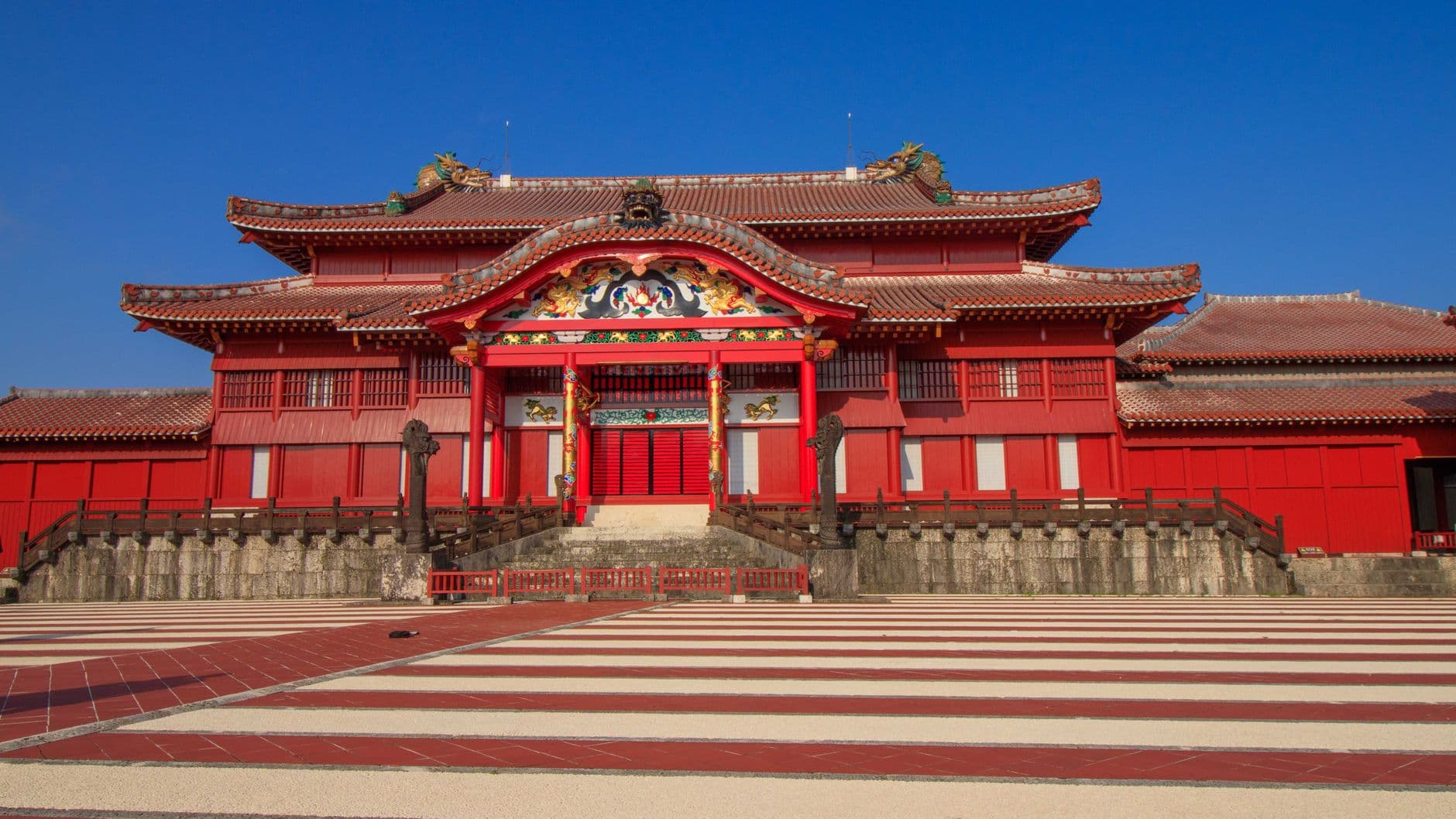
The main-hall photo above is a stock shot with an unconfirmed shooting date (the hall was rebuilt to its pre-fire design).
What this car-free Okinawa trip spends its days on
Allocation first. Two travel days (arrival and departure), and each full day goes to one district: Shuri (the castle and the royal mausoleum), Omoromachi (the museum complex), and Shikinaen with Tsuboya (the garden and the pottery street). The hotel is one place within walking distance of a Yui Rail station between Kencho-mae and Makishi, four nights, no luggage moves.
| Day | Course | Transport and notes |
|---|---|---|
| Day 1 | Naha Airport → hotel check-in → Kokusai Street and Makishi Public Market | Yui Rail 13~16 min, 290~320 yen (Oct 2026). Dinner and a stroll only |
| Day 2 | Shuri Castle Park → Tamaudun → lunch in Shuri → back downtown | Yui Rail from the hotel, 11~14 min. From Nov 23 the main hall interior needs a reservation |
| Day 3 | Omoromachi: Okinawa Prefectural Museum & Art Museum (OkiMu) | Yui Rail 3~6 min plus a 10-minute walk. Closed Mondays |
| Day 4 | City bus to Shikinaen → back downtown → Tsuboya pottery street | Bus routes 2·3·4·5·14. Shikinaen closed Wednesdays |
| Day 5 | Check out → Yui Rail → Naha Airport | Work backwards from reaching the airport 3 hours before an international departure |
The weekday decides the order. OkiMu closes Mondays (open on holidays and the Memorial Day, then closed the next weekday), Shikinaen closes Wednesdays (next day if a holiday or the Memorial Day), and Makishi Public Market rests on the fourth Sunday of each month (open daily in December). The default is a Thursday arrival: Friday for Shuri, Saturday for OkiMu, Sunday for Shikinaen and Tsuboya, Monday departure clears the regular closing days (on a fourth Sunday, just move the market visit to Day 1). If a regular-weekday Monday lands mid-stay, spend it on Shuri: the castle's paid zone and Tamaudun have no regular closing day (after moving Shuri, re-check that the remaining two days still miss the Shikinaen and OkiMu closing days). If that Monday is a national holiday, flip it: OkiMu opens on holiday Mondays and closes the next weekday instead, so visit OkiMu on the Monday. November 23, 2026, a Monday and a national holiday, is exactly that case, and on that day Shuri opens its paid zone only at noon amid first-day crowds. When reshuffling, one principle: pin Shikinaen and OkiMu away from their closing days first (including the substitute closures that follow a holiday or the Memorial Day), then drop Shuri, which has no regular closing day, into whatever full day remains (never departure day). Two exceptions sit outside the weekday rule. On November 22, 2026, the entire Shuri Castle Park is closed, so a trip spanning that date must move the Shuri day; and year-end and holiday seasons break the pattern, with OkiMu closed December 29 to January 3 and the market taking separate New Year, lunar New Year and lunar Obon (lunar July 13-15) breaks.
Before departure: entry, connectivity, payments
| Item | Details |
|---|---|
| Visa | Korean passports: visa-free for 90 days (tourism, per Japan MOFA's visa exemption list) |
| Entry procedure | Register immigration and customs information on Visit Japan Web in advance. Naha Airport is one of the 7 airports with electronic customs declaration gates, so the VJW 2D code plus your passport replaces the paper form |
| Connectivity | eSIM or roaming. An in-city itinerary, so coverage is rarely an issue |
| Payments (rail) | Yui Rail: nationwide Suica-family IC cards and contactless credit cards work. The 800-yen daily tap cap ended 2026-08-31; full segment fares are now charged |
| Payments (bus) | Naha Bus / Ryukyu Bus: no Suica or PASMO; cash and OKICA only (some vehicles accept contactless taps). Fare boxes give no change, so carry 1,000-yen notes and coins |
| Money sense | 100 yen ≈ 840 KRW (derived from ECB reference rates, 2026-10-19, planning assumption) |
Four entry rules. First, finish Visit Japan Web before departure (the Digital Agency's official web service for registering immigration, customs and tax-free information). Second, issue the VJW 2D code carrying your customs declaration before you fly, and save the screen so you can pull it up on the spot (preparation for slow airport connectivity). Third, skipping VJW does not stop you at customs: the declaration is required of everyone, and paper forms (Korean and English versions included) are available at the airport. Immigration is a separate procedure; follow the in-flight and on-site guidance. Fourth, anything over the duty-free allowance routes you to a staffed counter instead of the e-gate.
Airport ↔ hotel: Yui Rail is the default
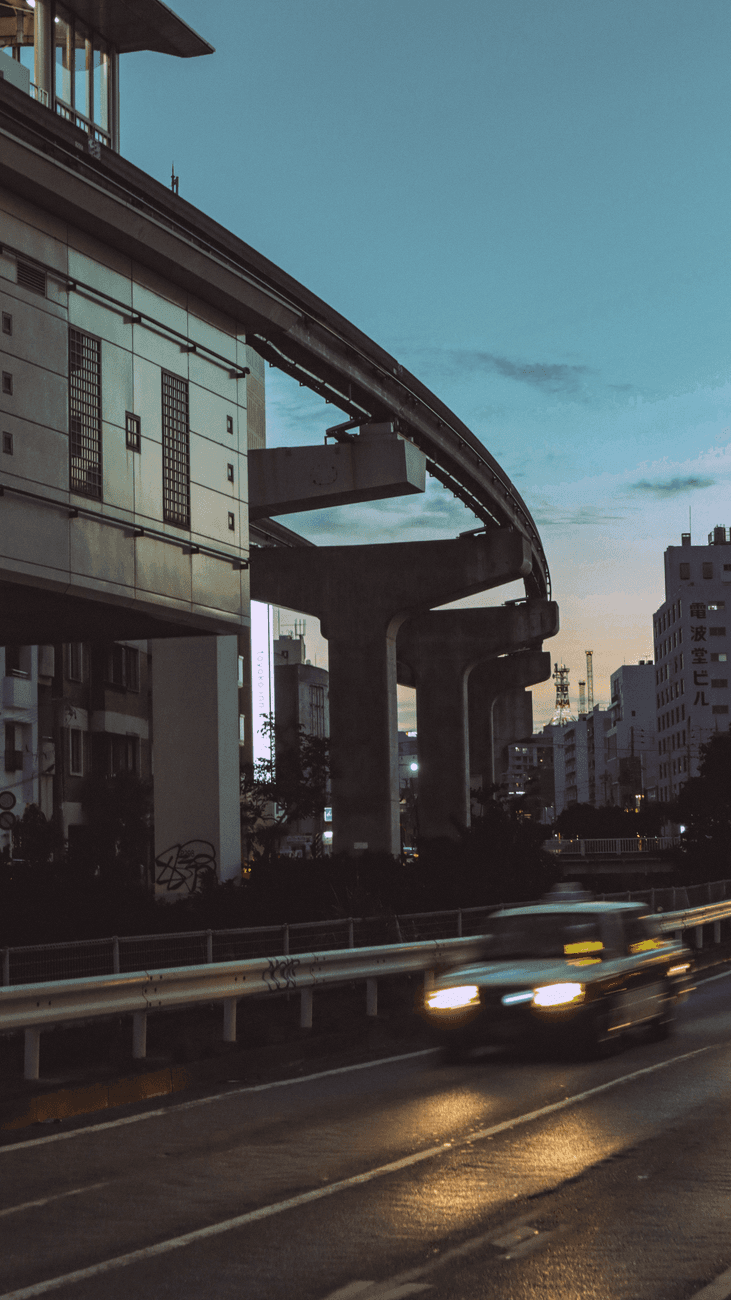
Naha Airport Station connects to the walkway on the 2nd floor of the domestic area, reached indoors from international arrivals. No airport bus or taxi deliberation needed; the monorail alone covers this plan.
| Hotel area | Airport → hotel | Hotel → key destinations (one way) |
|---|---|---|
| Around Kencho-mae | Yui Rail 13 min, 290 yen | Shuri 14 min 320 yen · Omoromachi 6 min 250 yen · Makishi 3 min 250 yen |
| Around Miebashi | Yui Rail 14 min, 320 yen | Shuri 13 min 320 yen · Omoromachi 5 min 250 yen · Makishi 2 min 250 yen |
| Makishi (east end of Kokusai St.) | Yui Rail 16 min, 320 yen | Shuri 11 min 290 yen · Omoromachi 3 min 250 yen · Kencho-mae 3 min 250 yen |
Fares and times are adult one-way values from the operator's October 2026 per-station fare tables. How to ride: buy a QR ticket at the station machine, or tap an IC card or contactless card at the gate (QR and IC use the blue reader, contactless the pink one). On arrival day with luggage, look for the elevator exit first.
Work backwards generously on departure day. Take reaching the airport 3 hours before an international departure as the baseline. On top of the 13~16-minute ride, add the walk from your hotel to the station, the wait for the next train, and the walk from the airport station through the connecting passage to the international check-in counters; take leaving the hotel 3.5 hours before the flight as the baseline; after the 13~16-minute ride that leaves only 14~17 minutes for the walking and the wait, so if the walk to the station runs past 5 minutes, move your departure earlier by that much. For an early-morning flight, check the first-train time on the official timetable the night before, or take a taxi that one day.
Buy the pass only after doing the math. The 1-day pass is 1,000 yen, the 2-day 1,800 yen, valid 24 or 48 hours from purchase. A normal day here has about two rides totalling 500~640 yen, so exceeding 1,000 yen within one window is actually hard. City segment fares (250~320 yen) stay under 1,000 yen even across three rides. IC segment fares are the default; on a day stacking rides, or when its facility discounts apply, add up the fares within the 24 hours (discounts included) yourself and buy only if the total clears 1,000 yen.
Districts and how much time they deserve
| District | Anchor spots | Getting there (from a Kencho-mae~Makishi hotel) | Time to budget |
|---|---|---|---|
| Kokusai St. & Makishi | Kokusai Street, Makishi Public Market, Heiwa-dori arcades | On foot | Arrival evening plus spare hours |
| Shuri | Shuri Castle Park, Tamaudun, Shuri soba | Yui Rail 11~14 min, 290~320 yen | One full day (90~120 min tour plus lunch and walking) |
| Omoromachi (Shintoshin) | Okinawa Prefectural Museum & Art Museum | Yui Rail 3~6 min, 250 yen + ~10 min walk | One full day (as long as the exhibitions hold you) |
| Shikinaen & Tsuboya | Shikinaen Garden, Tsuboya pottery street | City bus + walking | Half to one day |
Day 1 arrival: Kokusai Street and Makishi
Do not overload arrival day. Ride the monorail to the hotel and solve dinner on foot. Landing before check-in time? Ask the hotel front desk in advance whether they hold luggage.
Kokusai Street
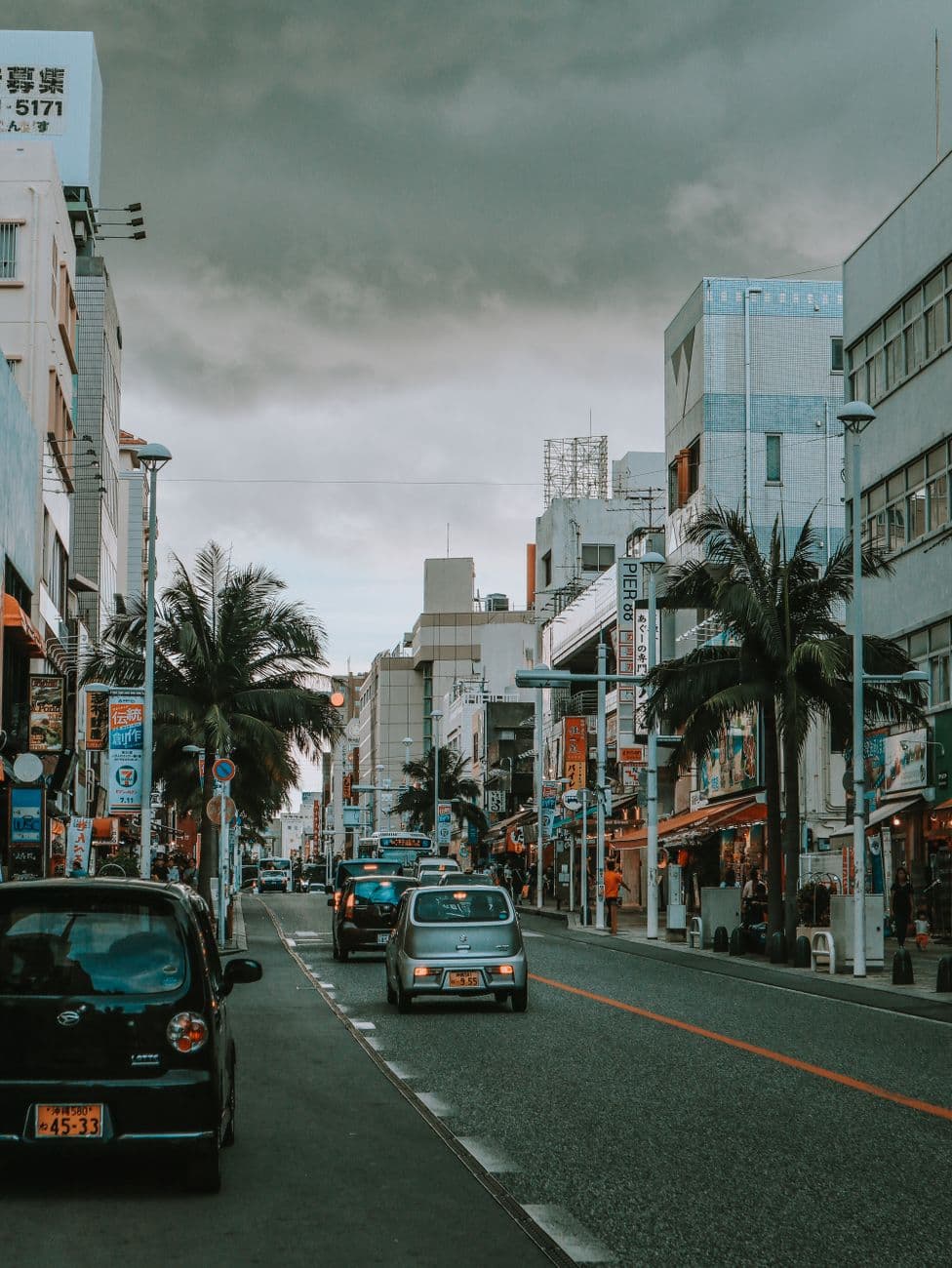
Naha's main drag runs from Kencho-mae to Makishi Station: souvenir shops, restaurants and drugstores packed together. Use it for the arrival evening and spare hours, not as a headline day. The street itself is free, and a hotel nearby means you walk it every night anyway. One rule worth knowing: every Sunday from 12:00 to 18:00 (cancelled in rain), about 1.3 km from the Kencho-kita crossing to the Saionbashi crossing by Makishi Station becomes a pedestrian-priority transit mall closed to private cars. Walking gets better; the control notice does not spell out route-bus operations, so if you need a bus in that window, check stop locations off Kokusai Street on the route map beforehand.
Makishi Public Market and the arcades
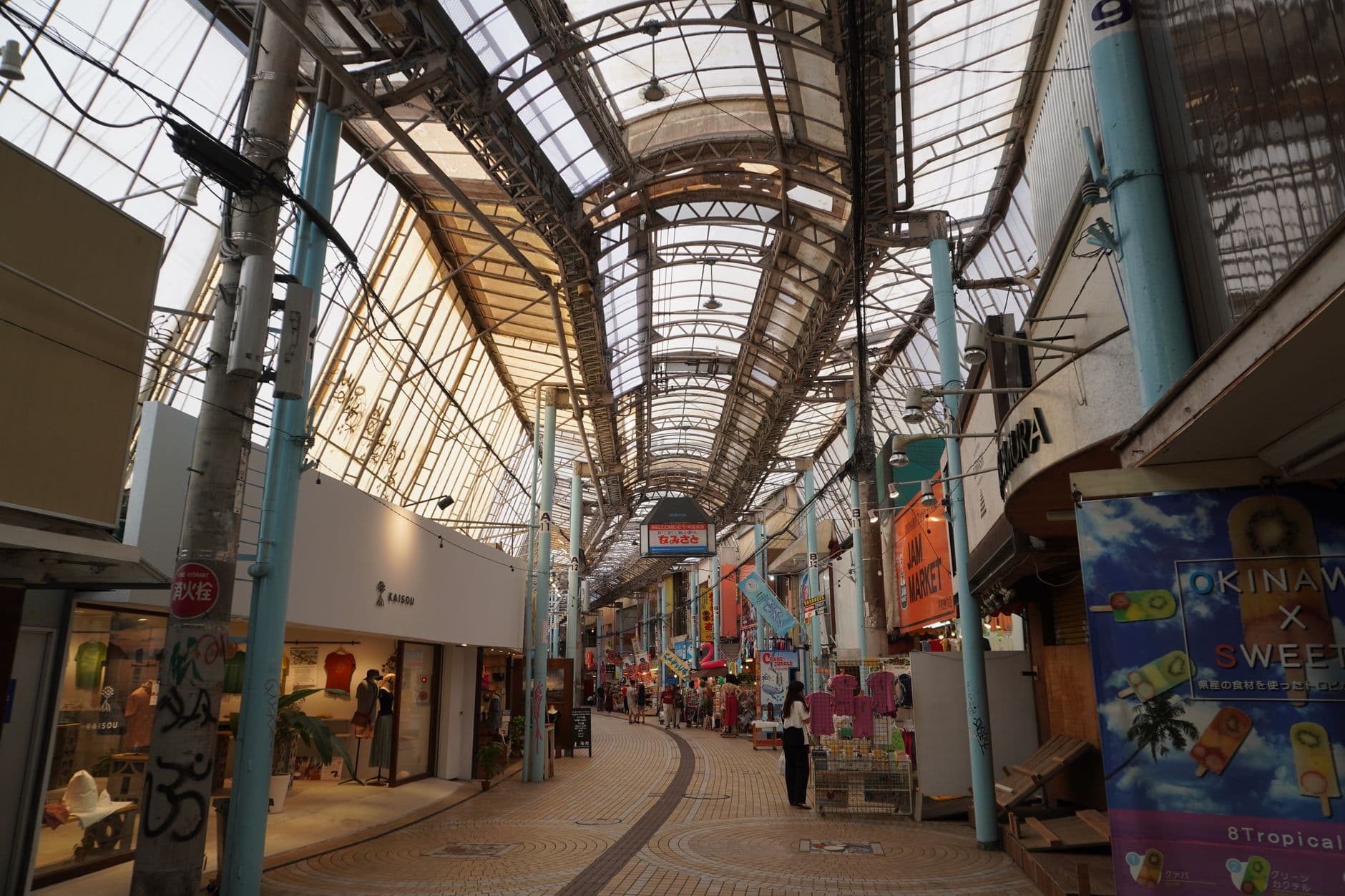
One block off Kokusai Street, roofed arcades like Heiwa-dori lead to Makishi Public Market. Hours are 8:00~22:00 (varies by shop); it rests on the fourth Sunday each month (open daily in December, with separate New Year, lunar New Year and lunar Obon breaks, the last falling on lunar July 13-15). The market's signature system is mochiage: buy fish or meat on the 1st floor and the 2nd-floor restaurants cook it, with cooking requests until 19:45 (some items only) and last orders at 20:00, so go early for dinner. It also works as a rain-day route since the arcades keep you dry.
Day 2 Shuri: the castle and Tamaudun
The most date-sensitive day of the plan. Yui Rail reaches Shuri Station from the hotel in 11~14 minutes; walk from there.
Shuri Castle Park, before and after November 23
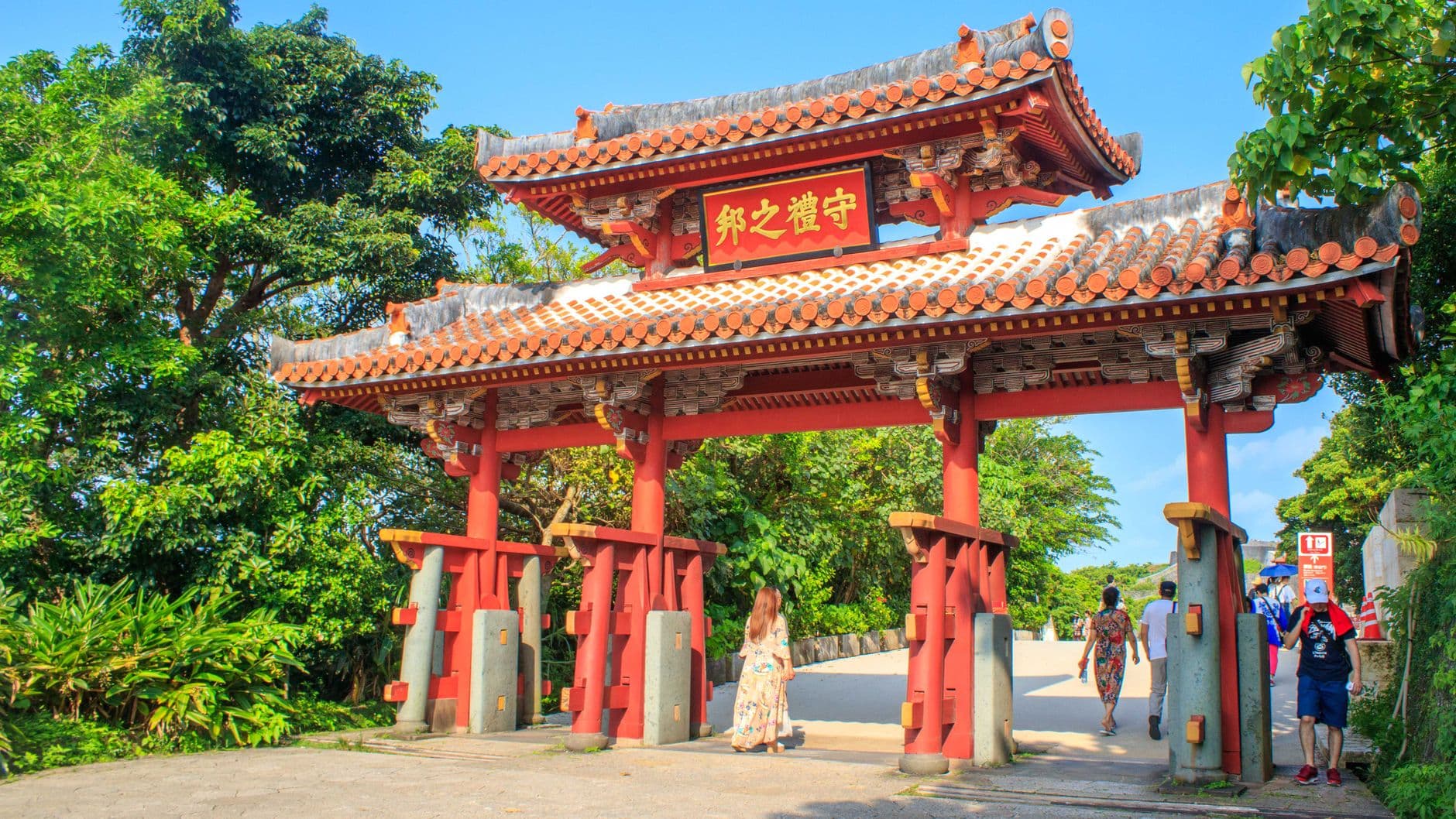
The main hall lost to the 2019 fire is finishing its restoration, holds its completion ceremony on November 22, and opens its interior to the public from November 23, 2026 (the main-hall photos in this article are stock shots with unconfirmed shooting dates). What you see and pay depends on your date.
- Through November 21: paid zone, adults 400 yen (high school 300, elementary/junior high 160). You see the main hall area from outside, plus walls and viewpoints (how much of the exterior is visible can vary with opening preparations).
- November 22: the entire park is closed for the completion ceremony. A Shuri visit this day is a wasted trip.
- From November 23: paid zone, adults 1,000 yen (high school 760, elementary/junior high 370, under 6 free). The fee is the same whether or not you view the interior; interior viewing alone uses reserved 30-minute date-and-time slots at no extra charge. Book on the park's official ticket guide, up to 9 tickets per payment. Slots for November 23 to December 31 already went on sale on September 1 and October 1 at 13:00, so check what remains; entries from January 2027 open at 13:00 on the 1st two months ahead. Same-day leftovers, if any, sell online or at the ticket office until 15 minutes before entry, but do not count on them right after opening.
Paid-zone hours are 8:30~19:00 April to November (last entry 18:30) and 8:30~18:00 December to March (last entry 17:30). The official guidance puts the full visit at about 90~120 minutes and tells monorail users to book an interior slot 40 to 50 minutes after their expected arrival at Shuri Station; that offset is the operator's own allowance for the uphill walk and the free zone, so use it as the baseline; the operator notes timing shifts with congestion, so pad it on busy days. On November 23 itself the free zone opens at 11:15 and the paid zone and main hall at 12:00, a special schedule stacked with first-day crowds, so skip that day if you want a calm visit.
Tamaudun
The Ryukyu royal mausoleum, a short walk from the castle and a World Heritage component site, ticketed separately from Shuri Castle. Hours 9:00~18:00 (last entry 17:30), open year-round, adults 300 yen, junior high and under 150 yen. Its stone architecture is a different mood from the castle, and pairing the two in one day wastes no transit.
Lunch stays in the Shuri neighborhood. Long-running soba houses near the station, like Shuri Soba, often open only around midday and close once the noodles run out, so after the castle and the mausoleum they may already be shut. If the soba matters more, eat first and see the castle in the afternoon.
Day 3 Omoromachi: the Prefectural Museum & Art Museum
Yui Rail 3~6 minutes from the hotel, then about 10 minutes on foot from Omoromachi Station. The museum and art museum share one building (OkiMu) and fill a day: Ryukyu kingdom history and Battle of Okinawa materials in the museum's permanent exhibition, Okinawa-connected artists in the art museum's collection show.
- Fees (per the fee table for September 25 to November 29, 2026): museum permanent exhibition adults 530 yen, art museum collection 400 yen, the combined 1DAY passport 750 yen. No guarantee the same fees and lineup continue from November 30 on; check the official fee table before visiting.
- Hours: Tue·Wed·Thu·Sun 9:00~18:00, Fri·Sat 9:00~20:00 (entry closes 30 minutes before). Closed Mondays; if the Monday is a holiday, a substitute holiday or the Memorial Day, it opens and rests the next weekday. Also closed over the New Year break (Dec 29 to Jan 3).
- It is the biggest rain shelter in the plan, but in a typhoon even indoor venues close: the official rule is a temporary closure about two hours before Naha city buses stop, reopening about two hours after service resumes, with a full-day closure when under three openable hours remain. Check same-day notices when a typhoon is forecast.
Friday and Saturday evenings open a reversed layout: a light daytime, exhibitions after dark. Special exhibitions vary in period and price, so this guide leaves them out; check the official site for what is on during your dates.
Day 4 Shikinaen and Tsuboya: a garden and a pottery street
The only bus day. The routes and payment rules differ from the monorail, so this is the most detailed section of the guide.
Shikinaen, a World Heritage garden by bus
A detached royal garden of the Ryukyu kingdom and a World Heritage component site, used for royal recuperation and for hosting Chinese investiture envoys, mixing Ryukyuan and Chinese styles around a pond, stone paths and a boat landing. Naha Bus routes 2, 3, 4, 5 and 14 serve it; get off at the Shikinaen-mae stop. Naha Bus city lines charge a flat 280 yen (revised April 1, 2026), and routes numbered under 20 (except 10 and 12) are pay-on-boarding. No Suica here, so carry 1,000-yen notes or coins. Unlike the monorail, routes, directions and stop locations differ by line: check your boarding stop on the operator's route map or a map app that day, and confirm with the driver that your stop is on the route. On Sundays from 12:00 to 18:00 about 1.3 km of Kokusai Street is closed to private cars (cancelled in rain); on a Sunday, do Shikinaen in the morning and either finish the ride back into town before noon or check an alighting stop away from Kokusai Street on the route map (the notices do not announce a bus stoppage; this is our conservative way to stay clear of the controlled stretch). Keeping the afternoon on foot in Tsuboya, as this guide orders it, keeps you clear of most of the control window.
Hours are 9:00~18:00 April to September (last entry 17:30) and 9:00~17:30 October to March (last entry 17:00), closed Wednesdays (the next day when it falls on a holiday or the Memorial Day). Adults 400 yen, junior high and under 200 yen, preschoolers free with a guardian. From October the last entry moves up to 17:00, so a late-afternoon visit turns into a rush. Garden in the morning, Tsuboya in the afternoon.
Tsuboya Yachimun Street
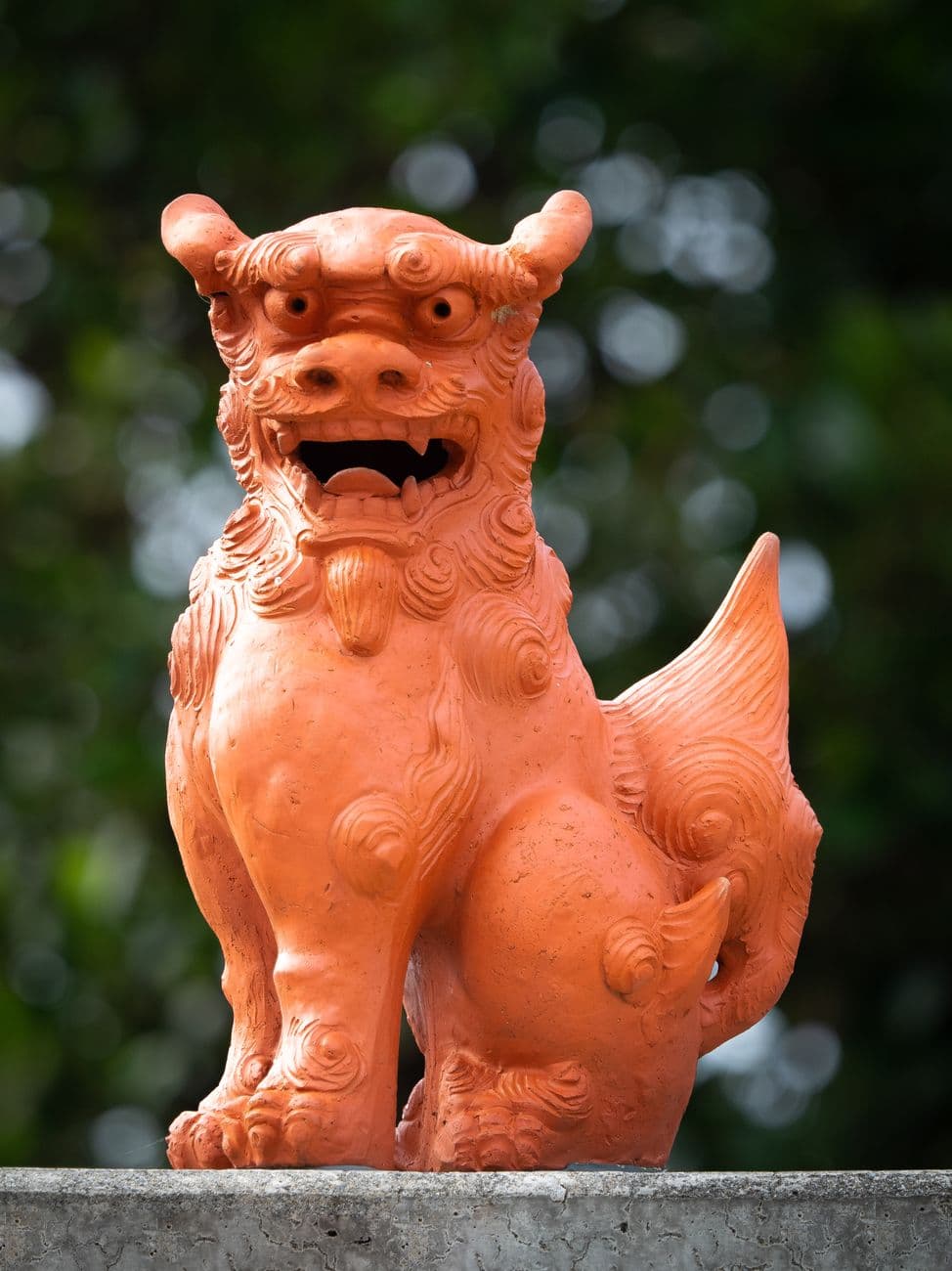
Back downtown by bus, then about 10 minutes on foot from Makishi Station. Roughly 400 meters of stone-paved street with some 50 kilns, shops and cafes, a pottery quarter more than 300 years old dating to the Ryukyu kingdom. Browse the thick, rustic yachimun ware and shisa figures and shop for keepsakes. One caution: the Naha Municipal Tsuboya Pottery Museum on this street is temporarily closed for exterior works from September 1, 2026 to March 31, 2027. Plan the street and shops, not the museum. Pottery classes differ by studio in days, booking and how finished pieces reach you, so this guide does not pin them down; check directly with a studio before your trip.
Day 5 departure
Check out and ride Yui Rail to the airport. On the baseline of reaching the airport 3 hours before an international departure, leaving the hotel 3.5 hours before the flight is the baseline (13~16 minutes on the train, which leaves only 14~17 minutes of that half hour for the walk to the station, the wait for a train, and the indoor walk from the airport station to the international counters); move it earlier by the full extra walking time if your hotel sits far from the station. With an afternoon or evening flight, leave your bags at the hotel front desk or a station coin locker after checkout and fill the half day on foot (the market arcades and Kokusai Street). For an early flight, confirm the first train on the official timetable the night before, or switch to a taxi. Do not copy the rental-car habit of squeezing Shuri Castle into departure day: the visit alone runs 90~120 minutes by official guidance, and from November 23 a reserved slot tangled with a flight leaves no way out.
Practical details
| Facility | Hours | Closed | Fee (adult) | Notes |
|---|---|---|---|---|
| Shuri Castle paid zone | Apr~Nov 8:30~19:00 (entry 18:30), Dec~Mar to 18:00 (entry 17:30) | Whole park closed 2026-11-22 | 400 yen through 11/21, 1,000 yen from 11/23 | Only the main-hall interior needs a date-and-time reservation (no extra fee). On 11/23 the free zone opens 11:15, paid zone 12:00 |
| Tamaudun | 9:00~18:00 (entry 17:30) | Open year-round | 300 yen | Walkable from the castle, separate ticket |
| Okinawa Pref. Museum & Art Museum | Tue~Thu·Sun 9~18, Fri·Sat 9~20 (entry 30 min before) | Mon (next weekday if a holiday or the Memorial Day), Dec 29~Jan 3 | Permanent 530 / collection 400 / 1DAY 750 yen | Fees per the 2026-09-25~11-29 table |
| Shikinaen | Apr~Sep 9:00~18:00, Oct~Mar 9:00~17:30 (entry 30 min before) | Wed (next day if a holiday or Memorial Day) | 400 yen (preschoolers free) | Bus 2·3·4·5·14 to Shikinaen-mae |
| Makishi Public Market | 8:00~22:00 (varies by shop), 2F last order 20:00 | 4th Sunday (not in Dec), New Year, lunar New Year and lunar Obon | Free | Mochiage cooking until 19:45 (some items only) |
| Tsuboya Yachimun Street | Always open (shops vary) | None for the street | Free | Pottery museum closed until 2027-03-31 |
Adjust by concept
| Concept | Day to change | Remove | Add | Why |
|---|---|---|---|---|
| Beaches and the aquarium first | Everything | This plan | The rental-car 5-day itinerary | Churaumi, Kouri and Onna have sparse buses and many transfers; a car-free day there disappears into transit. Swapping the vehicle while keeping that course loses that day all the same |
| One northern day, still car-free | Day 3 | The OkiMu day | A one-day northern tour with pickup. Shorten OkiMu to a Friday or Saturday evening in your stay (open to 20:00, entry to 19:30); with no Friday or Saturday, or no margin to reach OkiMu by its 19:30 entry cut-off after the tour returns, leave OkiMu for the next trip | Official guidance itself splits travel outside Naha into shuttles, sightseeing buses and pickup products; a tour owning the timetable fails less than DIY bus transfers, and OkiMu is the one venue with evening hours to absorb the cut |
| Traveling with children | Days 2·4 load | Two venues crammed into one day | One venue a day (with a stroller, OkiMu over the castle slope; on Day 4, skip the garden's stone paths and keep only the Tsuboya street) plus market and street snack time | Child fees are light (Shuri 160 yen, 370 from 11/23; Shikinaen 200 with preschoolers free; Tamaudun 150), but the castle slope and garden stone paths fight strollers |
| Rain in the forecast | That day | Outdoor gardens | OkiMu plus the Makishi arcades | Both run under roofs. Just avoid the days OkiMu closes (regular-weekday Mondays, the weekday after a holiday or Memorial-Day Monday, the year-end break) and the market's fourth-Sunday rest (except December); in a typhoon, OkiMu's closure rules (two hours before buses stop; full day under three openable hours) still kick in |
Food: soba and the market, spread over three days
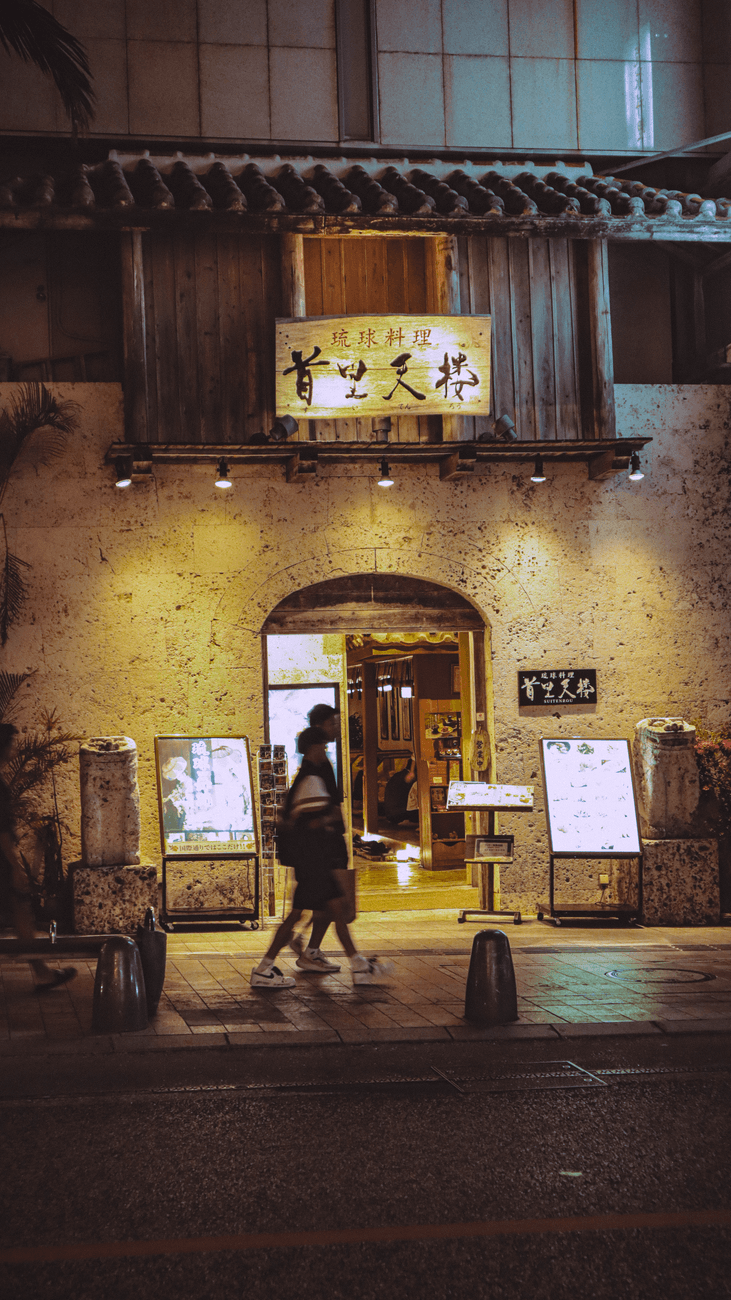
Every meal in this plan is on foot. Start lightly on arrival evening on Kokusai Street or at the market's 2nd-floor restaurants. On the Shuri day, lunch at a long-running house near the station, like Shuri Soba: Okinawa soba uses wheat noodles in pork broth, a different dish from buckwheat soba, and old houses often open only midday and close once the noodles run out, so eat early. On the Tsuboya day, a modern-topping specialist near Makishi Station, like EIBUN, lines up with the street walk. For breakfast, pork tamago onigiri near the market (spam and omelet pressed into rice; expect a queue) is the Okinawan way. Prices vary too much by shop to tabulate: a bowl of soba is the cheapest meal here, and seafood upstairs at the market climbs by thousands of yen. Opening days wobble most at the oldest shops, so check each shop's latest notice before going.
Five-day budget, per person
Roughly 610,000 to 1,610,000 KRW per adult including flights (double occupancy, editorial planning assumption). Conversions use 100 yen ≈ 840 KRW (derived from ECB reference rates, 2026-10-19); totals round the row sums to the nearest 10,000 KRW.
| Item | Budget | Standard | Comfort |
|---|---|---|---|
| Flights (Incheon round trip, planning) | 250,000 KRW | 350,000 | 500,000 |
| Hotel 4 nights (per-person share, planning) | 200,000 KRW | 400,000 | 800,000 |
| Food 4.5 days (planning) | 101,000 KRW (12,000 yen) | 151,000 (18,000 yen) | 235,000 (28,000 yen) |
| Admissions total (posted fees) | 20,600 KRW (2,450 yen) | 20,600 (2,450 yen) | 20,600 (2,450 yen) |
| City transport (posted fares for this exact route) | 19,000 KRW (~2,300 yen) | 19,000 (~2,300 yen) | 19,000 (~2,300 yen) |
| Misc & connectivity | 20,000 KRW | 30,000 | 40,000 |
| Total | ~610,000 KRW | ~970,000 | ~1,610,000 |
The admissions row uses the post-November-23 basis (Shuri 1,000 + Tamaudun 300 + OkiMu 1DAY 750 + Shikinaen 400 = 2,450 yen); visiting by November 21 cuts 600 yen (about 5,000 KRW) with Shuri at 400 yen, and OkiMu's 750 yen follows the fee table valid to November 29, so recheck after that. The transport row sums this exact route at posted fares: airport round trip (580 yen from Kencho-mae) + Shuri round trip (640 yen) + Omoromachi round trip (500 yen) + the Shikinaen bus round trip (560 yen) = 2,280 yen, and 2,280 to 2,340 depending on your hotel station (Kencho-mae and Makishi 2,280, Miebashi 2,340), so 2,300 yen is the planning figure. What a rental-car plan spends on hire, insurance, fuel and parking simply does not exist here. Flights, hotel and food are editorial planning rows, not posted prices, and move with season and booking timing.
Season and weather
Naha's climate normals (Japan Meteorological Agency, 1991~2020) run 25.5°C average in October, 22.5°C in November, 19.0°C in December, with rainfall dropping from 179 mm in October to 119 mm and 110 mm. For an itinerary without swimming, October to December is prime walking season. July to September brings frequent typhoons: factor in flight delays and temporary closures (OkiMu closes two hours before buses stop). Even winter needs only a Korean-autumn jacket, though castle walls feel colder in wind.
Last checks
- Check the Shuri dates: full closure on 2026-11-22, interior opening and the 1,000-yen fee with advance reservations from 11-23 (slots for 11/23~12/31 are already on sale). Not knowing these three wrecks a day.
- Split your payments: Suica and contactless on the monorail, cash and OKICA on buses. Carry 1,000-yen notes and coins on the Shikinaen day.
- Match the closing days: OkiMu Mondays, Shikinaen Wednesdays, the market on fourth Sundays, with year-end and lunar holidays as separate exceptions. A Thursday arrival is the default.
- Eat at old houses early: Shuri-style soba shops serve midday and close when noodles run out. If the soba matters more than the castle, eat first and tour after.
Wrap-up
A car-free Okinawa five-day trip is not about counting what you cannot reach; it is about walking up the World Heritage sites, museums and markets that cluster in Naha. Four nights near a Yui Rail station, three days for Shuri, Omoromachi, and Shikinaen with Tsuboya. Closing days set the order; dodge or reserve around the November 22~23 Shuri transition and the rest runs loose. If the sea calls, give the north its own rental-car trip next time rather than cramming both into one.
Put this plan in Tripop
Load this itinerary into the Tripop app to keep each day's places, notes and budget available offline. It gathers hotel and flight vouchers in one place and splits the travel ledger with companions, with just the features a trip actually needs. Get the app at the Tripop home and import this plan.
What we verified
The fares, hours and entry procedures here were checked by the Tripop editorial desk on October 20, 2026 against the official guidance of Yui Rail, Naha Bus, Shuri Castle Park, the Okinawa Prefectural Museum & Art Museum, Naha City, the Kokusai Street merchants association and Japan Customs. The 90-day visa-free entry for Korean passports was checked against an archived copy, dated October 5, 2026, of the Ministry of Foreign Affairs page, which blocked direct access at check time. The Shuri Castle fee revision and the Shikinaen, Yui Rail pass and Tsuboya museum closure facts were re-checked against the official pages on October 23, 2026 (parts of the Shuri guidance and the OkiMu official site have been under maintenance since October 22, so those items stand on the October 20 checks). Shuri Castle's fees and hours change around the November 23, 2026 main-hall opening, so re-check the official Shuri Castle Park guide and each facility's notices before you fly. The photos are Pexels stock, not our own; the shooting date of the Shuri main-hall photo is unconfirmed (the hall was rebuilt to its pre-fire design). If anything here no longer matches reality, tell us and we will fix it.
Images: Pexels (貴彦 佐藤: Shuri Castle main hall and Shureimon, João Mira: Yui Rail and a Kokusai Street restaurant, Aiwa Hu: Heiwa-dori arcade, William Warby: pottery shisa, PHANUPHONG PAOTHONG: Kokusai Street), Pexels License.