
Fukuoka Travel Guide (2026)
The Japanese metropolis closest to Korea. With its airport right by the city center, it's exceptionally easy to reach, the gateway to Kyushu, beloved as a food destination for its tonkotsu ramen and yatai (street-food stalls).
- Recommended stay
- 3–4 days recommended
💰 As of 2026, a 2-night Fukuoka trip for two costs about US$900–US$1,505 in total, US$450–US$755 per person. 4-star hotel · 2 adults · 1 room. See full cost breakdown →
Food & dining
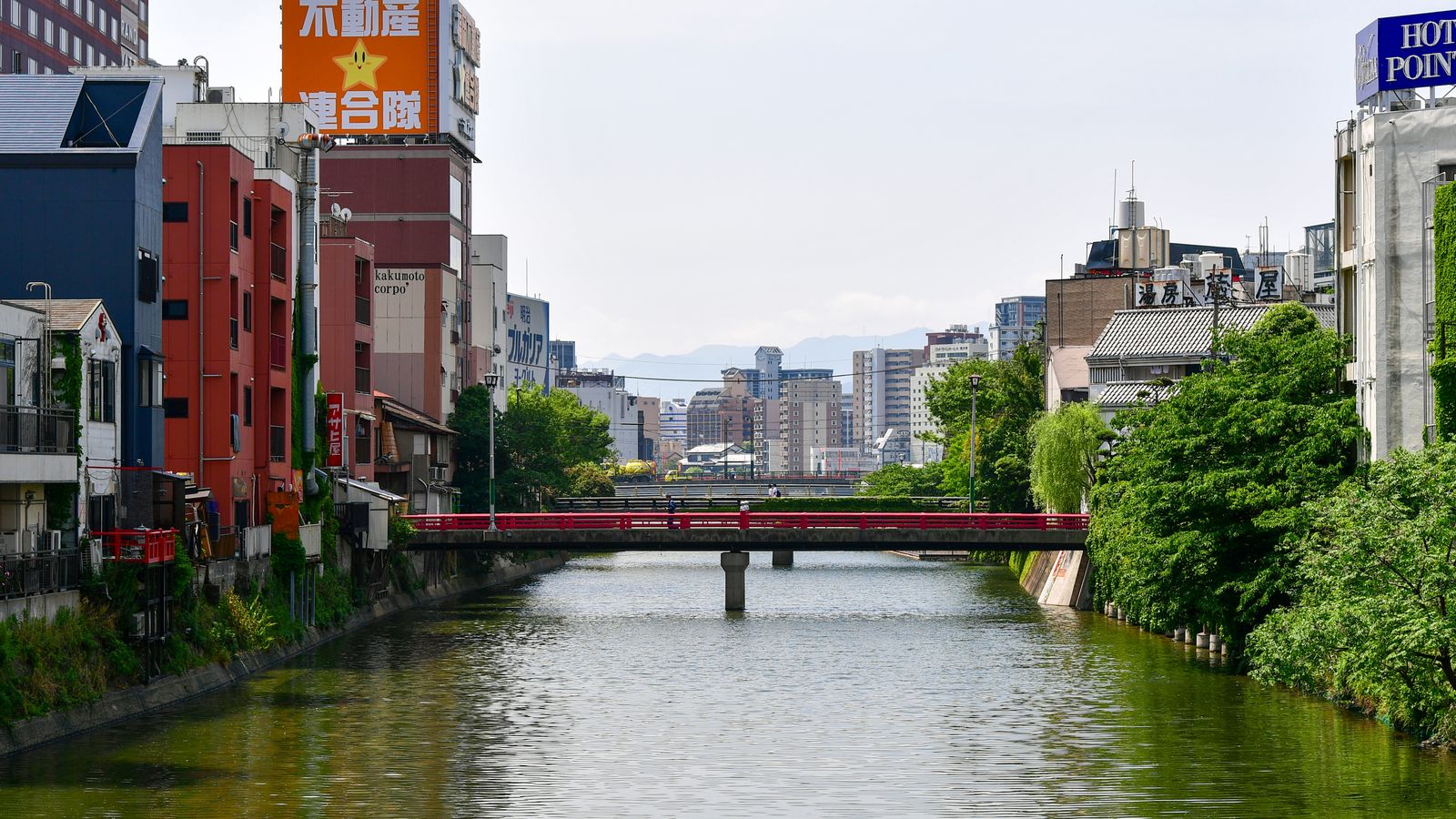
The home of tonkotsu (pork-bone) ramen. Rich Hakata ramen, mentaiko (spicy cod roe) and motsunabe (offal hotpot) are the signatures, and at night yatai stalls line the Nakasu riverside.
Getting around
Just a few subway stops from Fukuoka Airport (FUK) to Hakata and Tenjin. The compact center is easy to cover on foot and by subway.
Highlights
Nakasu yatai (street-food stalls), Dazaifu Tenmangu Shrine, Canal City Hakata, Ohori Park.
Places to visit
Ippudo Hakata Ramen: Tonkotsu Origin
Ground zero of Hakata tonkotsu culture and the birthplace of the global ramen boom, one meal here is experiencing noodle history itself.
Nakasu Yatai: Japan's Last Street Food Culture
A scale of street stall culture found nowhere else in Japan. Riverside neon, instant camaraderie with strangers, and the ritual that ends your first night.
Hakata Motsunabe Ooyama, Fukuoka PARCO
Motsunabe in the main Fukuoka PARCO building, B1, near Tenjin Station. Check per-person lunch and course prices, the evening seating charge and official booking options.
Dazaifu Tenmangu: Shrine of the God of Learning
A 30-minute day trip by private railway. Experience quintessential Japanese shrine culture while it's a pilgrimage site for Korean test-takers seeking exam luck. The newly renovated main hall was unveiled in May 2026.
Mentaiko: Fukuoka's Signature Souvenir
Fukuoka-exclusive delicacy, the pop of roe bursting on your tongue becomes a memory of Japan. Versatile as a topping for rice, eggs, pasta, or toast.
Itineraries
Fukuoka 5-Day Itinerary: Where to Spend the Two Days You Have Left Over
The real problem with five days in Fukuoka is not that there is too little to see. It is that the city centre is done in a day and a half. This guide splits the leftover two days four ways: Yufuin and Beppu hot springs, the Kitakyushu and Mojiko small towns, staying inside the city, or travelling with kids. It also settles where to book your four nights, when to reserve the Yufuin bus, why your JR Kyushu Pass will not work on the Shinkansen to Kokura, and how much cash to carry.
Fukuoka in 3 Days: A First-Timer's Route Through Tenjin, Dazaifu and Hakata
Plan a first visit to Fukuoka with a 2-night, 3-day route, international airport transfers, Dazaifu construction updates, transport pass calculations and rainy-day alternatives.
Trip cost
2 adults · 1 room
Good to know before you go
When is the best time to visit Fukuoka, and when should I avoid it?
Fukuoka is at its best in late March–April for cherry blossoms and in October–November, when daytime highs hover around 23°C. In 2026 the rainy season runs from roughly early June to mid-July, August brings heat near 35°C with high humidity, and typhoons are most likely in August–September. Aim for spring or autumn and avoid the June-to-September stretch if your dates are flexible.
How do I get from Fukuoka Airport to the city center (Hakata and Tenjin)?
From Fukuoka Airport, the subway Kuko (Airport) Line reaches Hakata Station in about 5 minutes and Tenjin in about 11 minutes for a flat 260 yen in 2026, one of the shortest airport-to-downtown hops in Japan. Trains run every few minutes and need no reservation. If you land at the international terminal, take the free shuttle to the domestic terminal for the subway, or the direct Nishitetsu bus to Hakata Station for 310 yen (about 20–30 minutes).
Is the Fukuoka subway 1-day pass worth it, and how much does it cost in 2026?
The Fukuoka City Subway 1-Day Pass costs 640 yen for adults in 2026 and covers unlimited rides on all three subway lines, including the Airport Line. With single fares starting at 210 yen, it pays off from your third ride of the day. Alternatively, tap a foreign-issued contactless credit card at the gates and your daily subway charge is automatically capped at the same 640 yen; nationwide IC cards like Suica also work in Fukuoka.
What's the best SIM or eSIM option for a Fukuoka trip?
A travel eSIM is the easiest data option for Fukuoka: in 2026 a 10GB/30-day Japan plan costs about US$16–18 from providers like Ubigi or Airalo, and most visitors spend US$10–20 total for a one-to-two-week trip. Coverage on the NTT Docomo and SoftBank networks is strong throughout Fukuoka city and on the subway. Install and activate the eSIM before departure so you have data the moment you land.
Do I need a visa to visit Fukuoka, and what are the entry procedures?
Passport holders from the US, UK, most of Europe, Australia and about 70 other countries can enter Japan, including Fukuoka, visa-free for up to 90 days as temporary visitors in 2026, with no electronic travel authorization required yet. Registering your immigration and customs details on the free Visit Japan Web service generates a single QR code accepted at Fukuoka Airport's arrival kiosks, typically saving 20–30 minutes. It's optional, paper arrival forms still work, but complete it at least 6 hours before landing if you use it.
Do I need cash in Fukuoka, or can I pay by card?
Credit cards and contactless payments are widely accepted in Fukuoka's department stores, convenience stores and chain restaurants in 2026, and the subway even accepts foreign contactless cards directly at the ticket gates. Still, carry 10,000–20,000 yen in cash for the famous yatai food stalls in Nakasu and Tenjin, small ramen shops with ticket machines, and shrines. 7-Eleven (Seven Bank) and Lawson ATMs accept international cards and have English menus.
More city guides
Plan this trip in Tripop
One sentence and AI builds your itinerary, checklist, and budget