
Bangkok Travel Guide (2026)
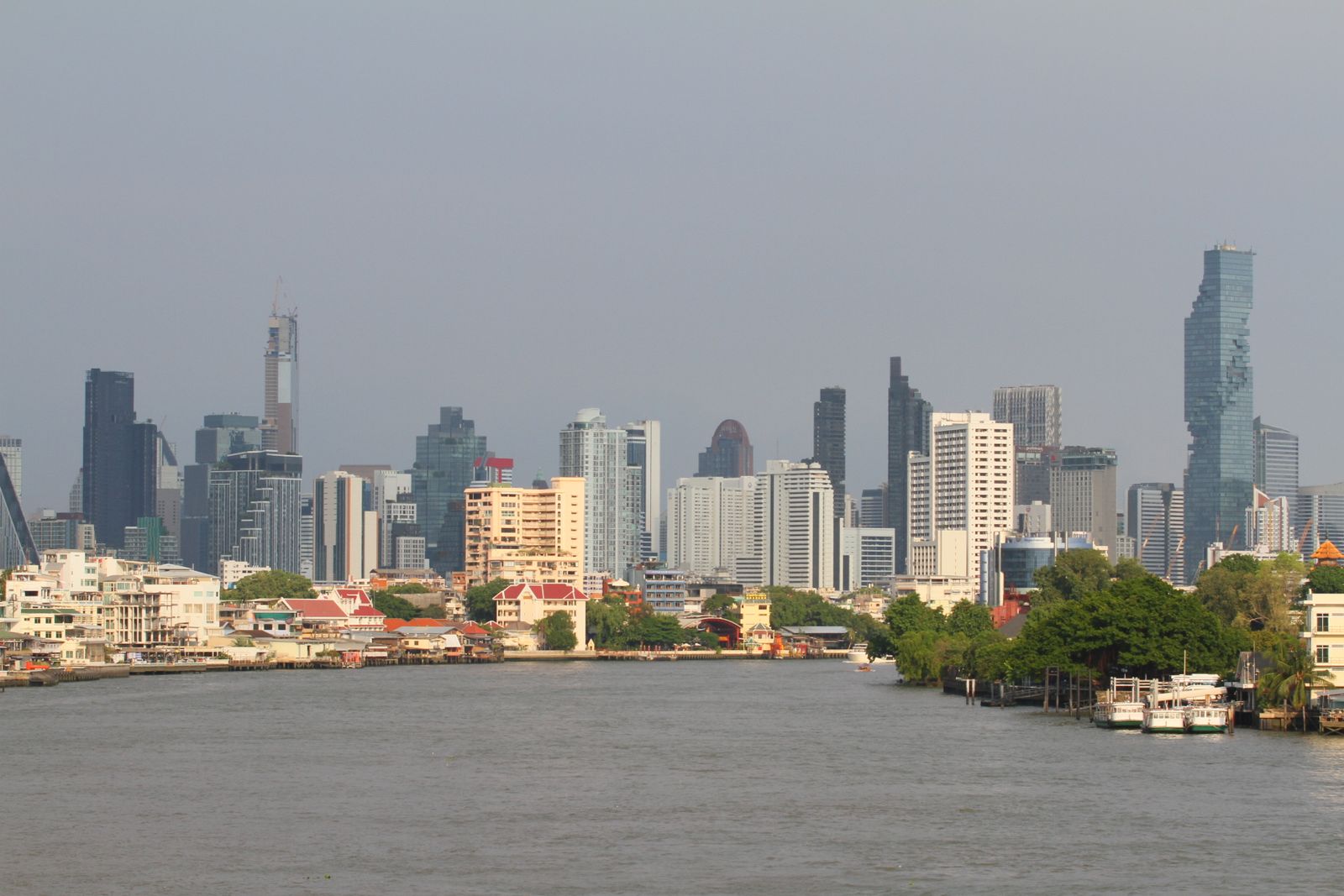
Thailand's capital, spreading along the Chao Phraya River. Golden palaces and temples blend with skyscrapers and rooftop bars, while street food and night markets keep the city humming late into the night. Famously affordable, it is Southeast Asia's great gateway and a top value-for-money destination.
- Recommended stay
- 4–5 days recommended
💰 As of 2026, a 4-night Bangkok trip for two costs about US$965–US$2,220 in total, US$480–US$1,110 per person. 4-star hotel · 2 adults · 1 room. See full cost breakdown →
Food & dining
A street-food paradise. Pad thai, tom yum goong and mango sticky rice are everywhere, with choices spanning roadside stalls, food courts and Michelin-listed restaurants. You can eat well for just a dollar or two.
Getting around
Connected to the city by Airport Rail Link and taxi from Suvarnabhumi (BKK) and Don Mueang (DMK). Getting around is easy via the BTS Skytrain, MRT subway and Chao Phraya river boats.
Highlights
The Grand Palace and Wat Phra Kaew (Emerald Buddha), Wat Pho (Reclining Buddha), Wat Arun (Temple of Dawn), the Chatuchak Weekend Market, and the Chao Phraya River by night.
Places to visit
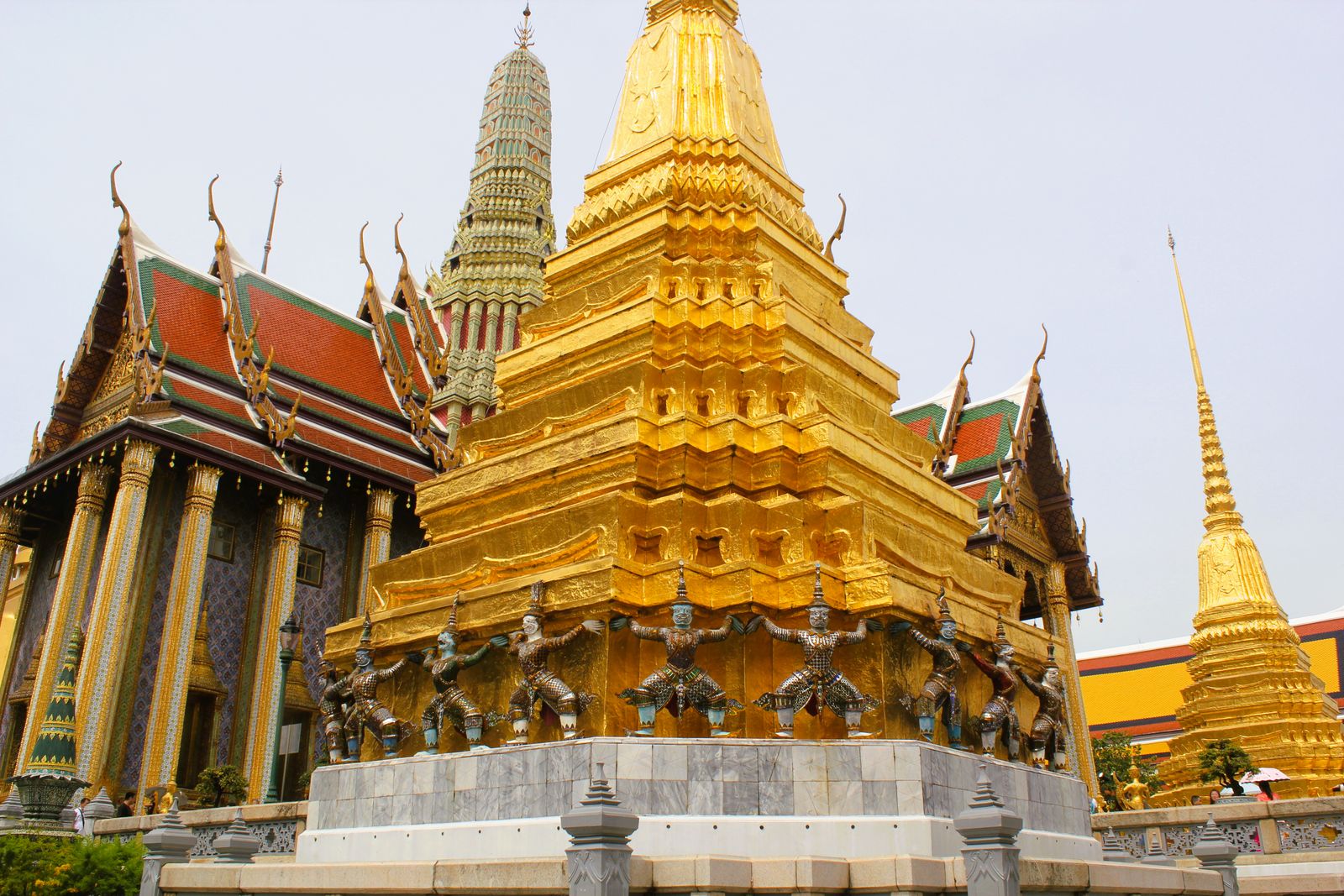
Bangkok Grand Palace and Wat Phra Kaew
Plan a visit to the Grand Palace and Wat Phra Kaew. Check what the THB 500 foreign-visitor ticket includes, ticket-office hours, dress rules and official opening schedules.
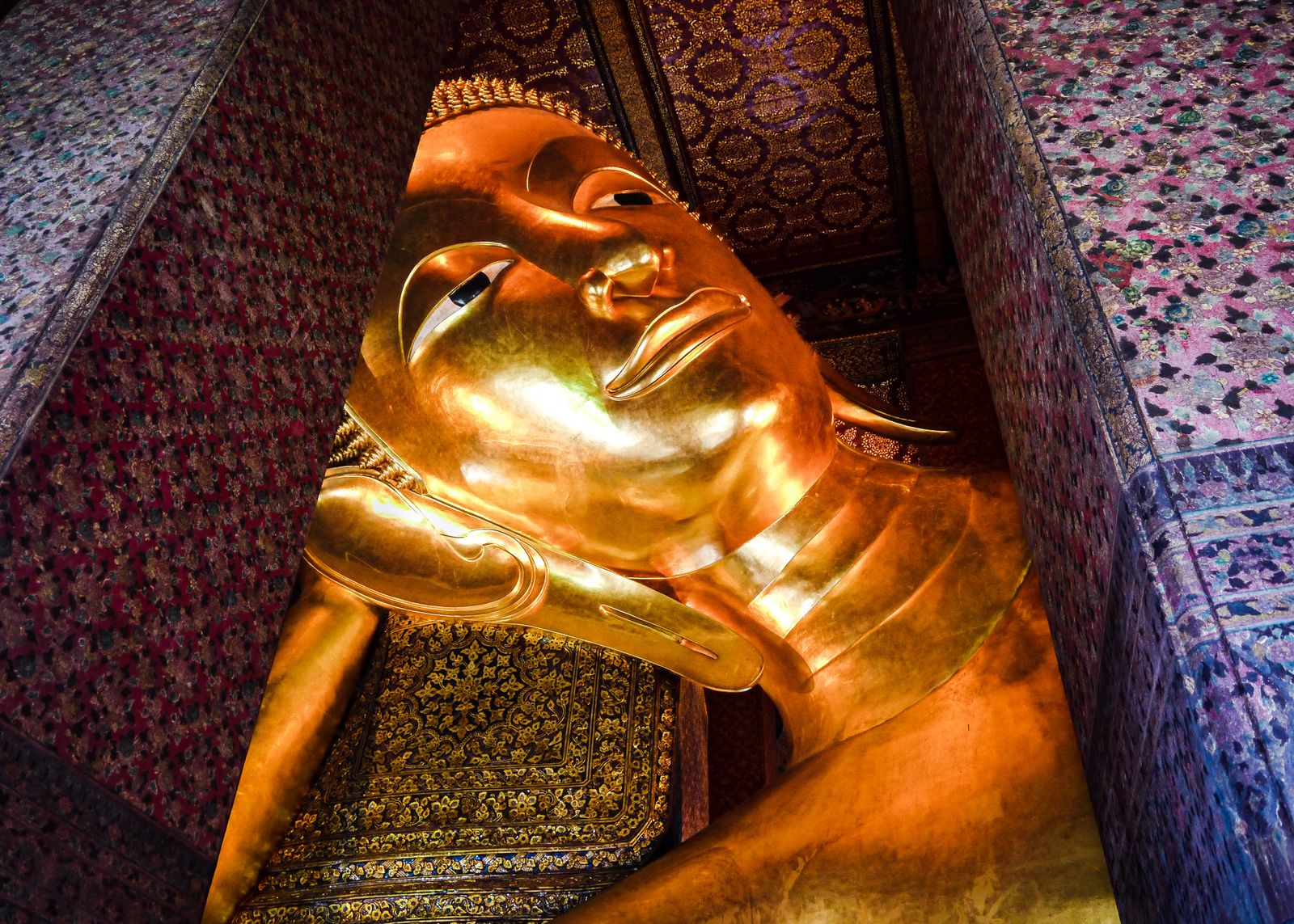
Wat Pho (Temple of the Reclining Buddha)
Bangkoks oldest temple, famous for its giant 46m gold-leaf Reclining Buddha.
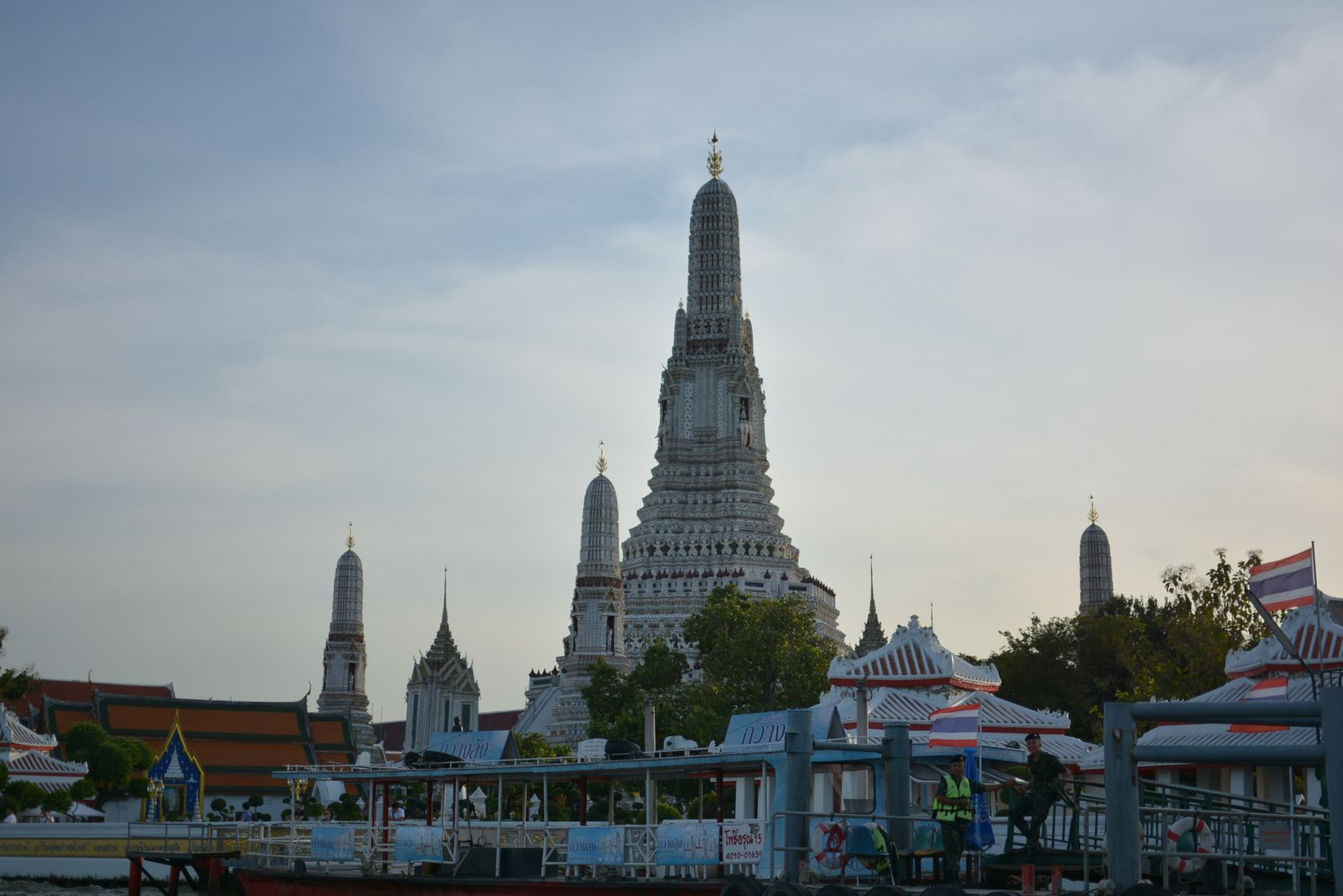
Wat Arun (Temple of Dawn)
The Temple of Dawn, whose 79m central spire clad in porcelain glows from across the river.
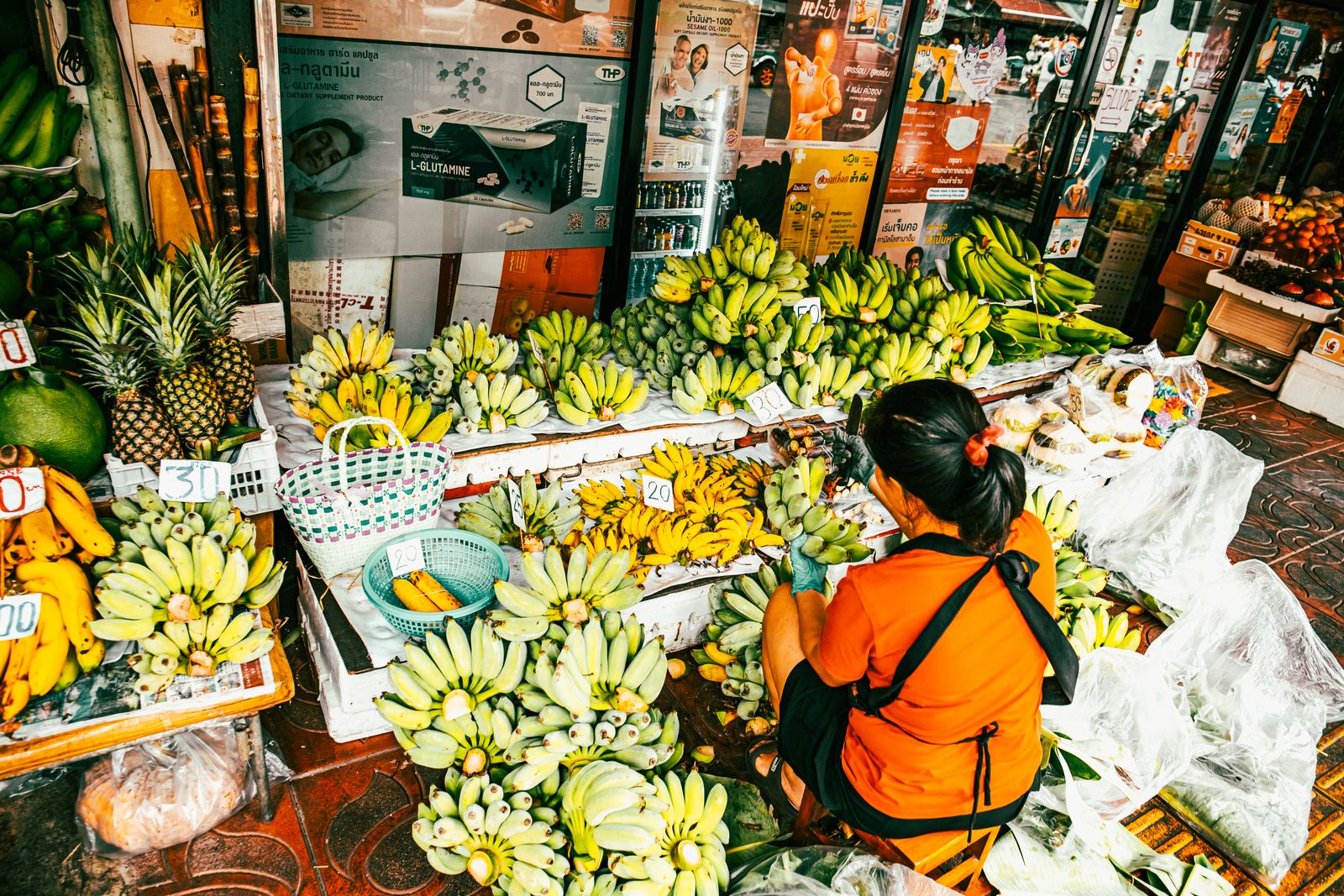
Chatuchak Weekend Market
One of the worlds largest weekend markets, with 15,000+ stalls of clothing, goods and food.
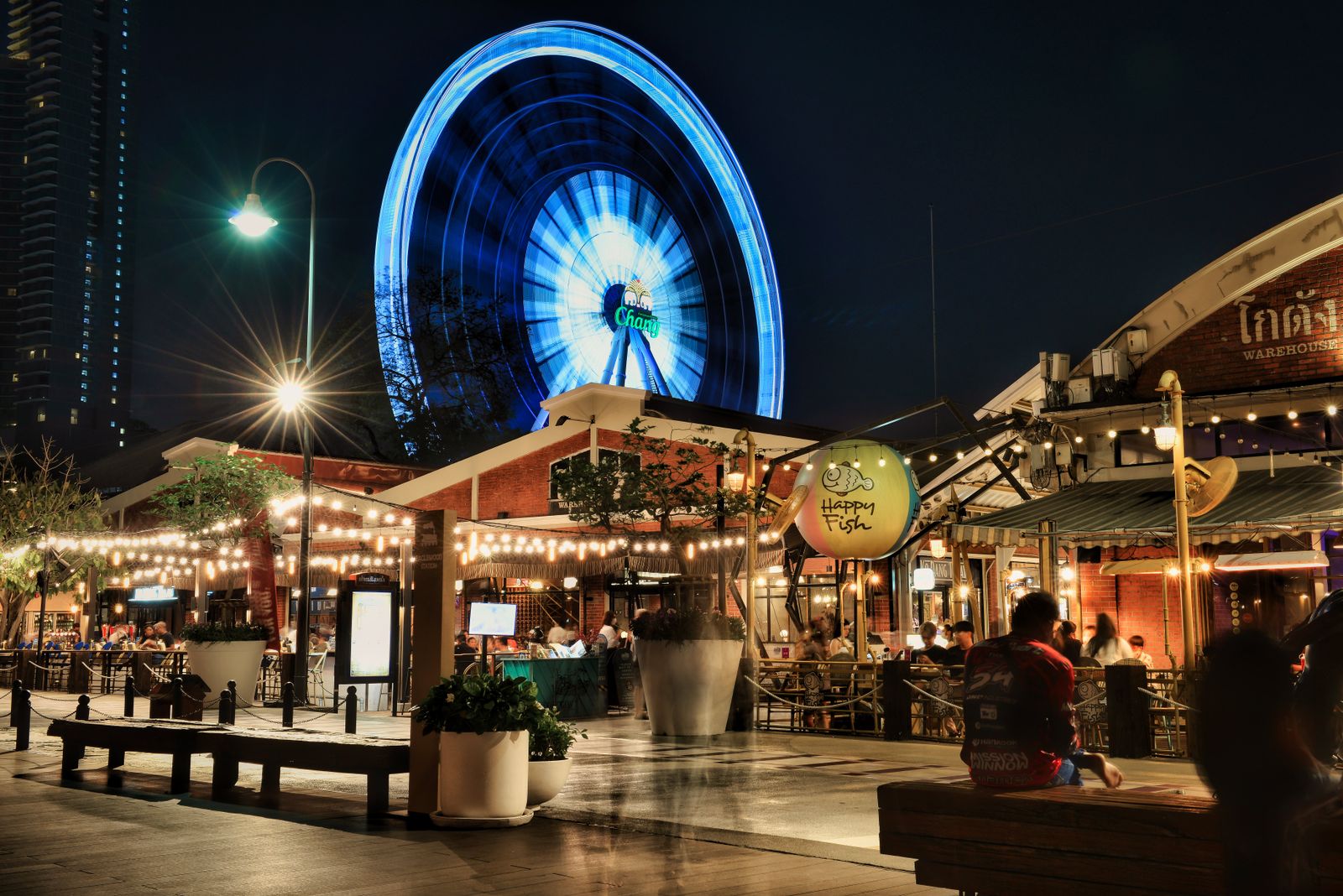
Asiatique The Riverfront
A large riverside night market on the Chao Phraya, with a Ferris wheel and river breeze.
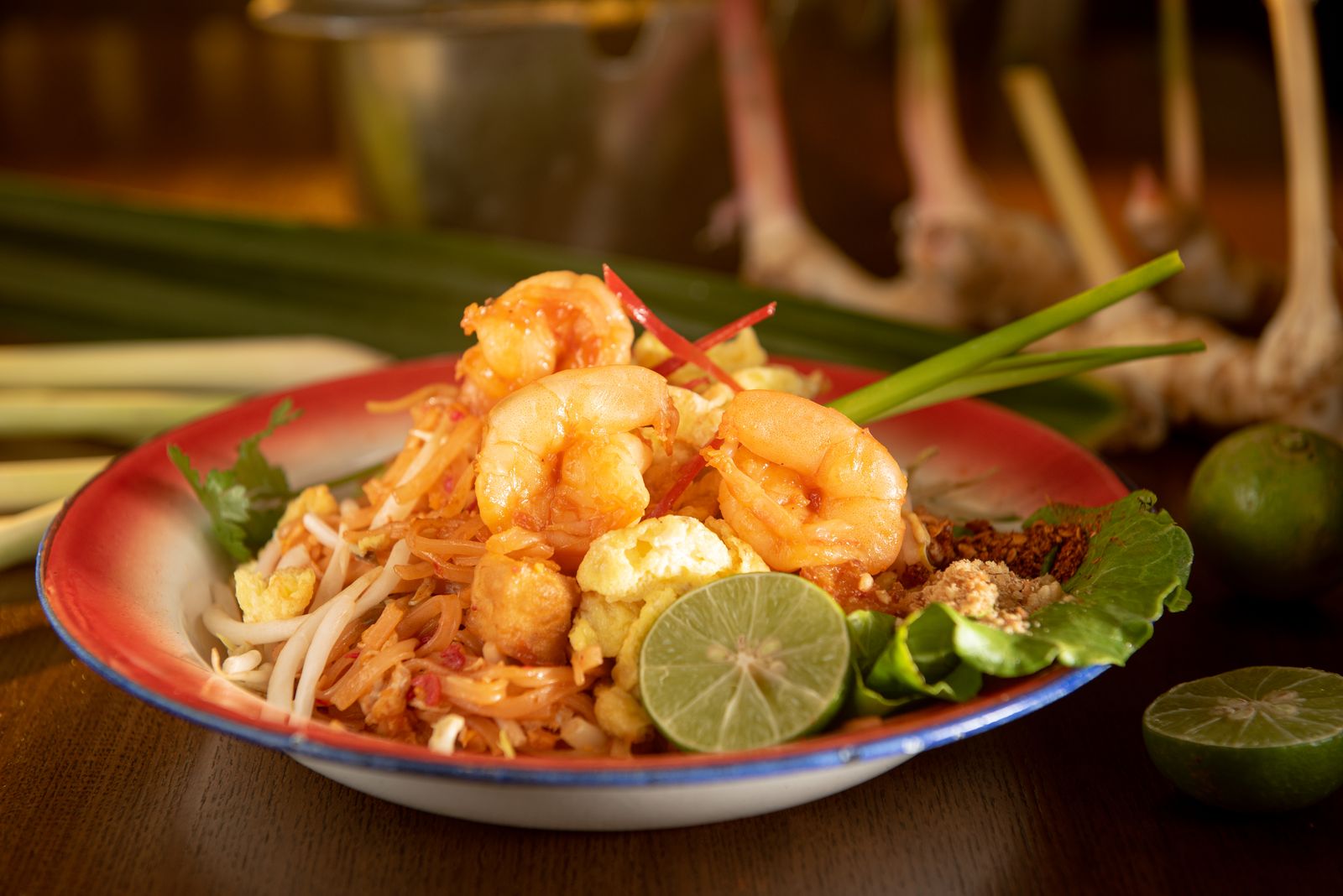
Pad Thai: Thipsamai
A Bangkok pad thai legend founded in 1966; the egg-wrapped prawn pad thai is its signature.
Itineraries
Bangkok Thai Cooking Class Guide: From the Market Tour to Pad Thai, Bring Thai Cooking Home
Thai cooking classes have become a signature Bangkok experience. The classic format is a half-day class that starts with a market tour: you shop for...
Bangkok 5-Day Itinerary: Grand Palace, Wat Pho, Khao San, Chatuchak, Siam, Asiatique (AI-Powered)
Southeast Asia's most-visited city, Bangkok, in 3 nights / 5 days. Red-eye flight + Grand Palace + Wat Pho (300 baht) + Wat Arun + Siam shopping + Chatuchak Market + Asiatique by night. Verified prices, transport & tips, built with Tripop AI.
Trip cost
2 adults · 1 room
Good to know before you go
When is the best time to visit Bangkok?
Bangkok's best season is the cool, dry stretch from November to February, with highs around 30-33C (86-91F) and little rain. March to May is the hottest period, often near 40C (104F), and the rainy season runs roughly May through October, peaking in September and October. Even in 2026's rainy months, most rain falls as short afternoon downpours rather than all-day washouts.
How do I get from Bangkok's airports (BKK and DMK) to the city center?
From Suvarnabhumi (BKK), the Airport Rail Link costs 35-45 baht (just over $1) and reaches Phaya Thai in central Bangkok in about 30 minutes as of 2026. From Don Mueang (DMK), the A1 and A2 airport buses charge a flat 30 baht and connect to BTS Mo Chit and Victory Monument. A metered taxi to downtown Bangkok typically totals 300-500 baht including the 50-baht airport surcharge and expressway tolls.
Do I need a Rabbit Card for Bangkok's BTS and MRT?
BTS Skytrain fares in Bangkok run 17-65 baht per ride in 2026, and a Rabbit Card costs 200 baht upfront (100 baht card fee plus 100 baht stored credit). The MRT is a separate system with no free transfers, but MRT Blue Line gates accept contactless Visa and Mastercard directly. Since the main BTS Sukhumvit and Silom lines do not take foreign contactless cards, a Rabbit Card is worthwhile if you'll ride the BTS more than a few times.
What's the best SIM or eSIM for Bangkok?
As of 2026, AIS sells a tourist SIM with 15GB for 299 baht (about $9) valid 8 days, and True offers unlimited data from 449 baht for 8 days, both available at Suvarnabhumi and Don Mueang arrival counters with just your passport. If your phone supports eSIM, apps like Airalo let you install a Thailand plan before you land in Bangkok, so you have data the moment you clear immigration.
Do US citizens need a visa for Bangkok (Thailand) in 2026?
As of mid-2026, US passport holders can enter Thailand visa-free for up to 60 days, but the Thai Cabinet approved a reduction to 30 days in May 2026 that takes effect once published in the Royal Gazette, check the current rule shortly before flying to Bangkok. Separately, all foreign visitors must submit the free Thailand Digital Arrival Card (TDAC) online within 3 days before arrival.
Should I carry cash in Bangkok, or do cards work?
Malls, hotels, and chain stores in Bangkok take cards, but street food stalls, markets, taxis, and many local restaurants remain cash-first in 2026. Thai ATMs charge foreign cards a 220-baht fee (about $7) per withdrawal, so exchanging money at downtown booths like Superrich usually beats airport rates and repeated ATM fees. Keep small 20, 50, and 100 baht notes handy for vendors.
More city guides
Plan this trip in Tripop
One sentence and AI builds your itinerary, checklist, and budget